Gardening  Blogs - BlogCatalog Blog Directory
propagating perennials
Undergoing MyBlogLog Verification

Monday, March 15, 2010

Callicarpa americana-American Beautyberry

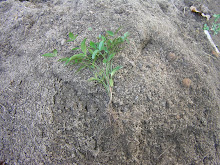
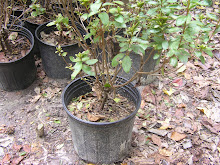
Propagating Beautyberry by division can be frustrating since it has a tap root but it can be done only if the plant is mature enough which can be accomplished by pruning the plant down to 12" in the fall and patiently wait for the crown to at least double in size, divide in the spring, otherwise you may have to employee either root or soft tip cuttings. It’s fall berries are amazingly beautiful and the photo I took was on my lot north of Raleigh, NC, and is first growth after bulldozing the lot otherwise I never would have noticed it although it does have pink flowers in summer. It is native from Zones 7 and up usually in moist to low rich bottomlands and mine is growing in full sun. Unfortunately deer enjoy the leaves but birds and butterflies enjoy the flower nectar, the seeds for birds, and average height is 3'-6' and sometimes to 9' tall. A plant to enjoy in the drab months of winter.

Friday, March 5, 2010

Spring is coming!

Someone gave me a Amazon gift card for my birthday so I ordered some vegey seeds and although I hestitated, Hirt's Gardens had tomato plants which I ordered and recieved this week. I was wondering if they would come alive and they did because they were packaged great. They have more varities available then big box stores and I am hoping that I will be able to plant them. This is their web link: http://hirts-gardens.amazonwebstore.com/category/22698119901/1/Vegetable-Plants-Tomato.htm

Saturday, January 9, 2010

Seed catalogs

This is the time of year that gardeners are looking through seed catalogs plotting their stradegy for the upcoming growing season. For those who grow organically I came upon this catalog that offers organic vegetable seeds so I thought I put in their link. http://www.gardensalive.com/catalog_request_qas.asp?bhcd2=1263049138

Tuesday, October 20, 2009

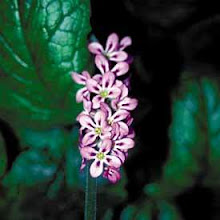
Malvastrum lateritium-Creeping Mallow

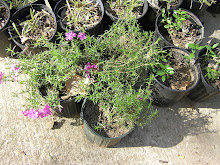
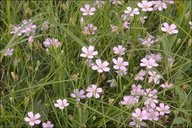
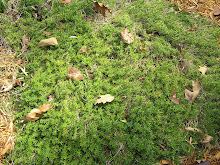
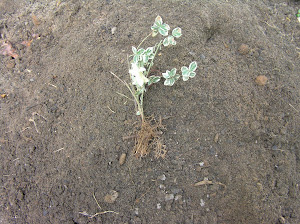
Propagating Malvastrum or Creeping Mallow is as simple as propagating strawberry plants because aerial roots shoot out from the center of the parent plant so just cut a shoot and plant along with bone meal. Creeping Mallow blooms from July to September and the color is an apricot-pink with a yellow center. The plant is evergreen in mild winters, Zones 6-10, its flowers attract butterflies, the plant reaches 6"-8" in height and prefers full sun, but is not drought tolerant.

Tuesday, October 6, 2009

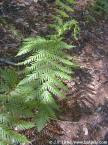
Farfugium japonicum-Leopard Plant

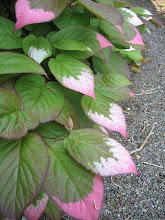
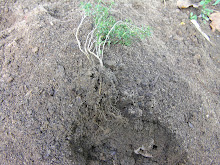
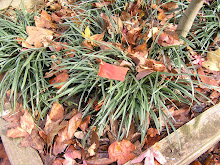
Propagating Farfugium or Leopard Plant is best done in the spring by locating well rooted rhizomes that spread out from the parent plant. It is only hardy down to Zone 8 but evergreen. It is native to Japan and Korea. It does best in partial shade with no afternoon sun and prefers a moist but not soggy soil and mulch but not too heavily. It is mainly a foliage plant with dark green leaves offset with yellow polka dots although it has yellow daisy like blooms in the fall.

Thursday, October 1, 2009

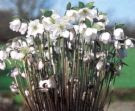
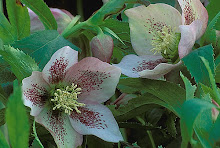
Hepatica acutiloba- Sharp-leaf Hepatica

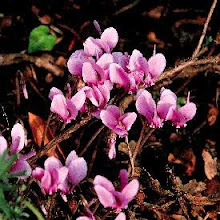
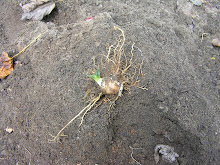
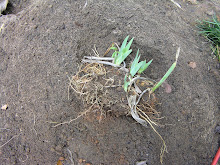
Propagating Hepatica is done in the fall by digging up the plant and dividing the rooted crowns, it doesn’t like being disturbed so don’t dabble, into equal transplants. This is one perennial that will bloom along with your bulbs in the spring, even in Chicago, and is evergreen in warmer climates. Daisy type blooms range from pink, lilac, white or a mix of all three and they are deer resistant. Some use the leaves as an herbal remedy but they can also be poisonous so do your homework beforehand. The plant is a native to the Northeast and prefers a moist shady location.

Tuesday, September 29, 2009

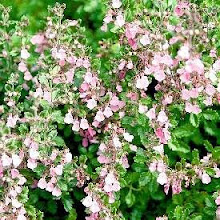
Teucrium chamaedrys-Creeping Germander

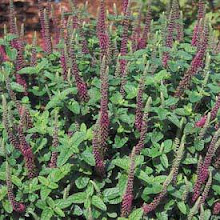
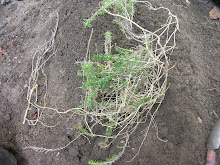
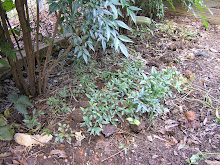
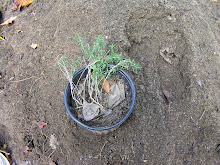
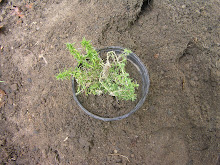
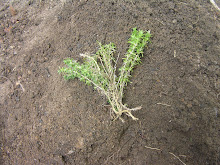
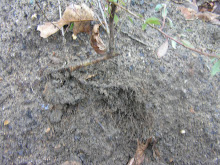
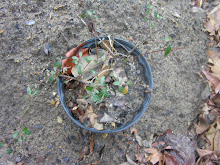
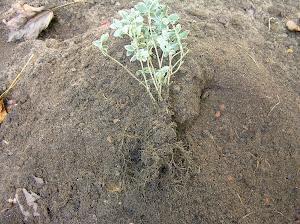
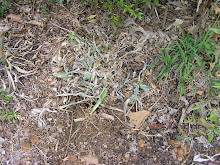
Propagating Teucrium or Germander can be accomplished in the spring or fall by locating well rooted rhizomes that spread out underground from the parent plant. The plant reaches a height of 6"-8" and blooms in the summer, July-August, and its flowers are pink. The blooms attract butterflies but not deer, are evergreen in warmer zones, and are drought tolerant once established. Since the plant remains compact there is very little trimming necessary and could be considered a woody plant.
 
http://www.blogcatalog.com/directory/home_and_garden/gardening

web site counter
South Beach Diet