Gardening  Blogs - BlogCatalog Blog Directory
propagating perennials
Undergoing MyBlogLog Verification

Wednesday, July 21, 2010

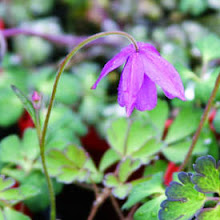
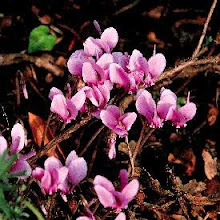
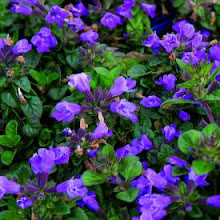
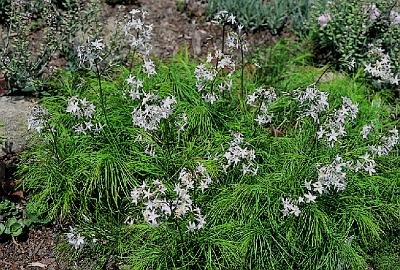
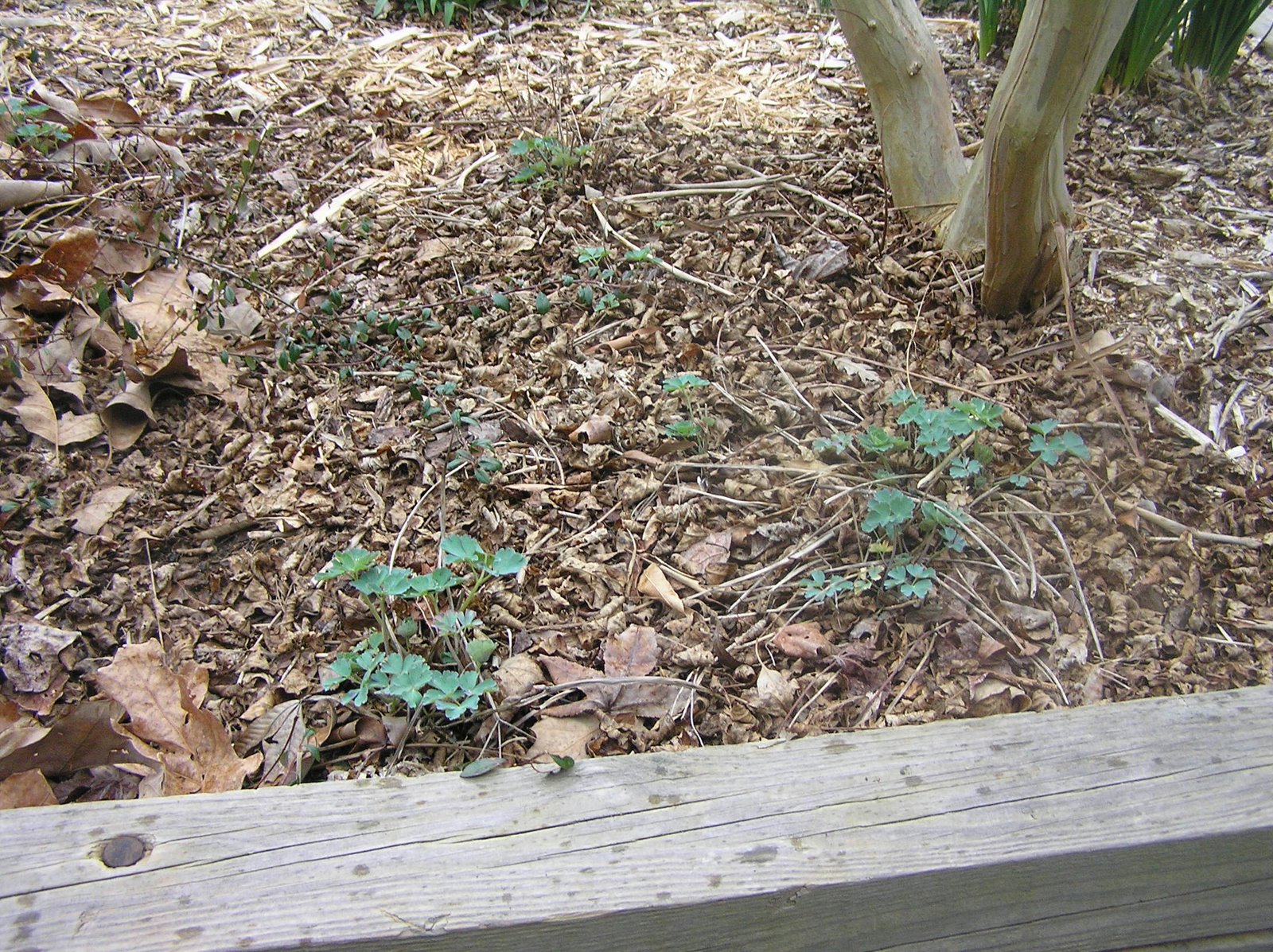
Semiaguilegia ecalcarta-False Columbine

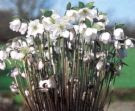
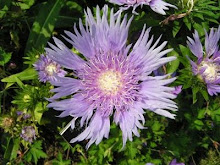
Propagating this short-lived perennial is simple, just let it go to seed, or carefully dig up self-seeded plants in early spring and transplant and although this cousin to the regular Columbine prefers full sun in cooler regions of the country, it also prefers a well drained moist soil. This plant is a native to China, blooms late spring to early summer and reaches a height of 8"-18" with violet to purple flowers. It is also deer resistant and possibly hardier under Zone 5 but with extra protection.

Thursday, July 15, 2010

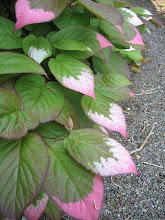
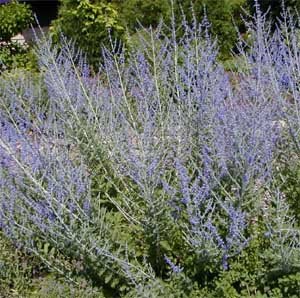
Penstemon digitalis-“Husker Red” Penstemon

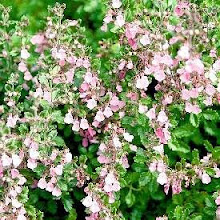
Propagating Penstemon is hard because there are different varieties and sometimes garden centers will sell plants that are not hardy to your zone so before you buy make certain the variety you are buying is hardy to your zone because there are west coast and east coast types. “Husker Red” is an east coast type and it can be propagated by division, however other varieties can only be propagated by layering or cutting(mid summer to early fall) in west coast types. Now Penstemon’s are native to the USA, however “Husker Red” was hybrized at the University of Nebraska and is hardy in Zones 3-8, however its flower color is white to pale pink however its leaves and stems are deep purple. It grows to a height of 2 ½' and its flowers are hummingbird and bee magnets. To be hardy this variety needs good draining soil where west coast type generally do well in poor soils and need full sun, 10-12 hours daily. Normally “Husker Red” is evergreen and is supposedly deer resistant. One could always check the hardiness of their purchase by going to the Penstemon Society.

Wednesday, July 7, 2010

Thamnocalamus crassinodus-Mountain Bamboo

Propagating Mountain Bamboo is simple because it is a clumping bamboo and would suggest that propagating either in the spring or fall would bring success. This plant can grow up to 25' so it is a great screening material however it prefers shade or an early morning sun which will bring out the burgundy color of its canes which start in the spring with a blue hue. It is native to East Asia and Africa and is not cold hardy so do not attempt to raise outside of Zones 8-10.

Wednesday, June 30, 2010

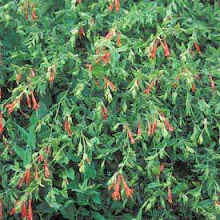
Zauschneria garretti”Orange Carpet”-California Fuchsia

Propagating California Fuchsia is simple just cut off a piece of the plant, remove any flowers, use a sharp knife or X-acto blade and put it in water and it should root in about 30 days. What’s great about this plant is it’s low growing reaching a height of 4" and although the name suggests a California type plant it is hardy to Zone 3. It prefers a semi-shaded area with good drainage but do not over water because it is also drought tolerant and evergreen in warmer zones. The flowers attract hummingbirds and butterflies and is native to the dry parts of some Western states. Obviously the flower color is orange and deer resistant.

Wednesday, June 23, 2010

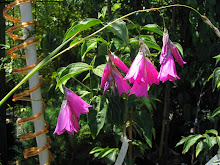
Dierama pulcherrimum-Angel’s Fishing Rod

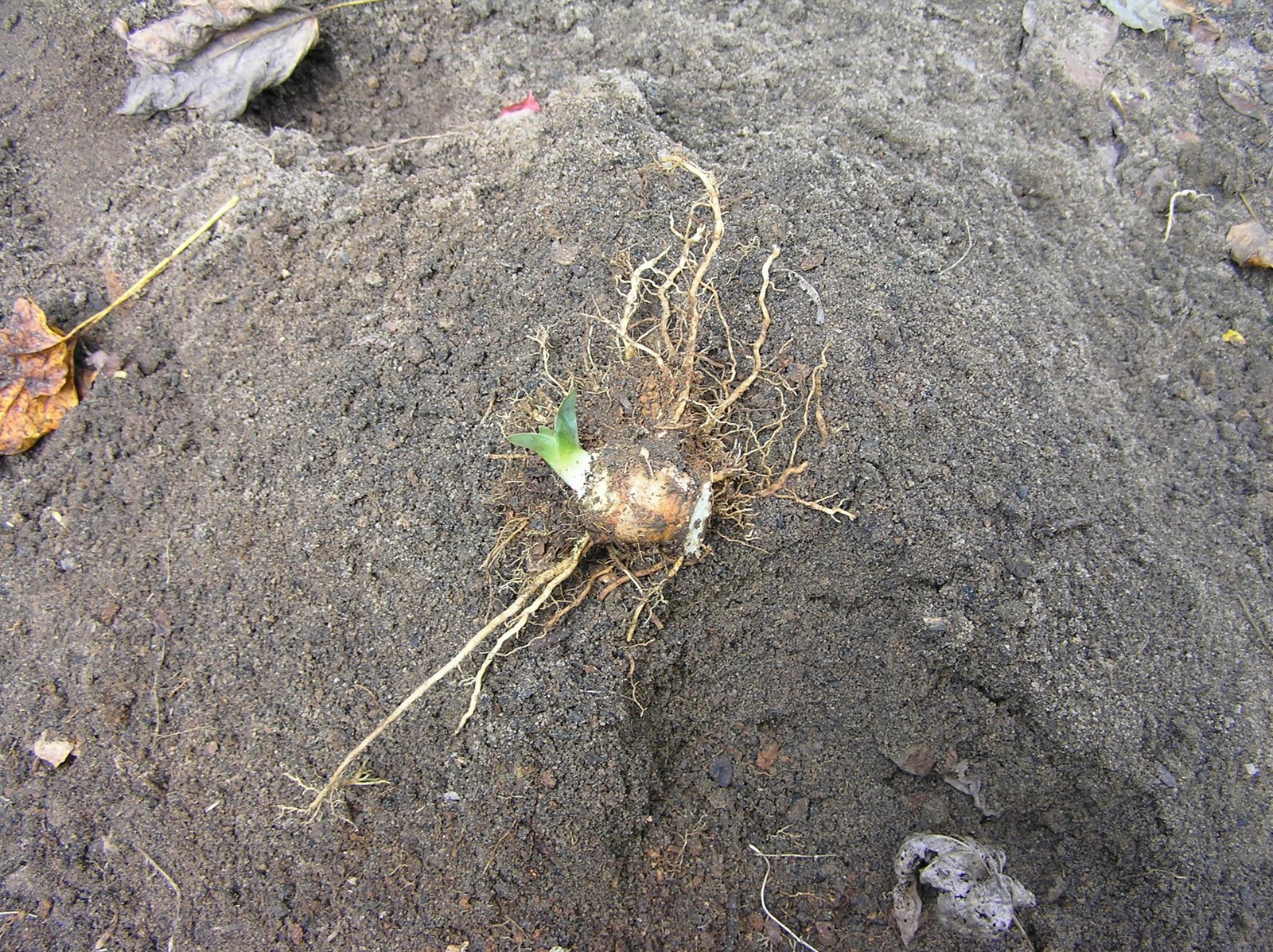
Since Angel’s Fishing Rod is in the Iris family that means you have to divide the corm after flowering which is August to September. It’s blooms are either, pink, magenta or white and the plant can reach 4'-6' in full sun. It is native to South Africa so in essence it is only hardy in Zones 8-10, and possibly on the outer fringe of 7. It prefers consistent moisture in the growing season and is evergreen and it takes two years before it flowers.

Wednesday, June 16, 2010

Lunaria biennis-Money Plant or Silver Dollar

Propagating Lunaria is simple, it is self-seeding and is a biennial, like Columbine, so it doesn’t bloom until the second year then dies, but if you don’t deadhead you will not have a problem because some say it is an aggressive plant so don’t put in front of your bed. There is also a perennial, Lunaria rediviva. It is commonly called the Money Plant or Silver Dollar because its seed head resemble a silver dollar used in fall/winter arrangements. The plant zone is 2-9 so it is hardy and is deciduous, however birds and butterflies like the plant which blooms from April-June and the colors range from purple to lilac to white. It prefers a moist well draining soil in partial shade to full sun and will reach a height of 36". It is native to Central & Southern Europe.

Thursday, May 27, 2010

Wulfenia carinthiaca-Cow’s FootstepWulfenia

Propagating Wulfenia should be done in early summer, after blooming, or preferably early fall by dividing the crown. This is an alpine plant found in the meadows of Austria and Albania so it dies not like heat nor humidity although it is hardy from Zones 5-8. It prefers a northern exposure in a light rich sandy/gritty soil with even moisture in either full sun or partial shade. It is evergreen and the plant reaches a height of 6-8" however its flower spikes can reach 24." It will bloom from May-July and the color is a rich deep blue. For experienced gardeners mainly.
 
http://www.blogcatalog.com/directory/home_and_garden/gardening

web site counter
South Beach Diet