Gardening  Blogs - BlogCatalog Blog Directory
propagating perennials
Undergoing MyBlogLog Verification

Wednesday, April 29, 2009

Steel edging

When I did design/build in Denver most of the plants purchased were from Alameda Wholesale Nursery, because their range of plants went from 1 gallon to 8" caliper, but the one thing that I definitely purchased was their steel edging. Yes it eventually rusted, unpainted, and in time they came out with a rubber cover because the steel would cut a child if they fell on it. It came in ten foot sections and had pins, like hangers bent in half, to keep the edging in place. The one good thing about using steel versus the plastic crap garden centers sell, is that you could pound the edging into the turf with a sledge and it would automatically cut the sod so if there were areas where sod had to be removed for a bed, the sod was already cut. Since I used free flowing lines, a bane of the sprinkler guys, it was a snap to lay out the bed with the edging instead of guesstimating with the junk plastic edging. Grass never grew on the other side of the edging and plants didn’t grow into the grass, since it was 4" deep and 14 gauge scrap galvanized rolled top steel. One had to wear gloves carrying it and it was floppy. If only someone would produce edging like that everywhere gardeners wouldn’t be so frustrated keeping their beds in place and the expense of buying painted edging that eventually rusts away is costly.

Monday, April 27, 2009

Polemonium-Jacob’s Ladder

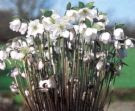
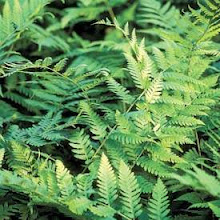
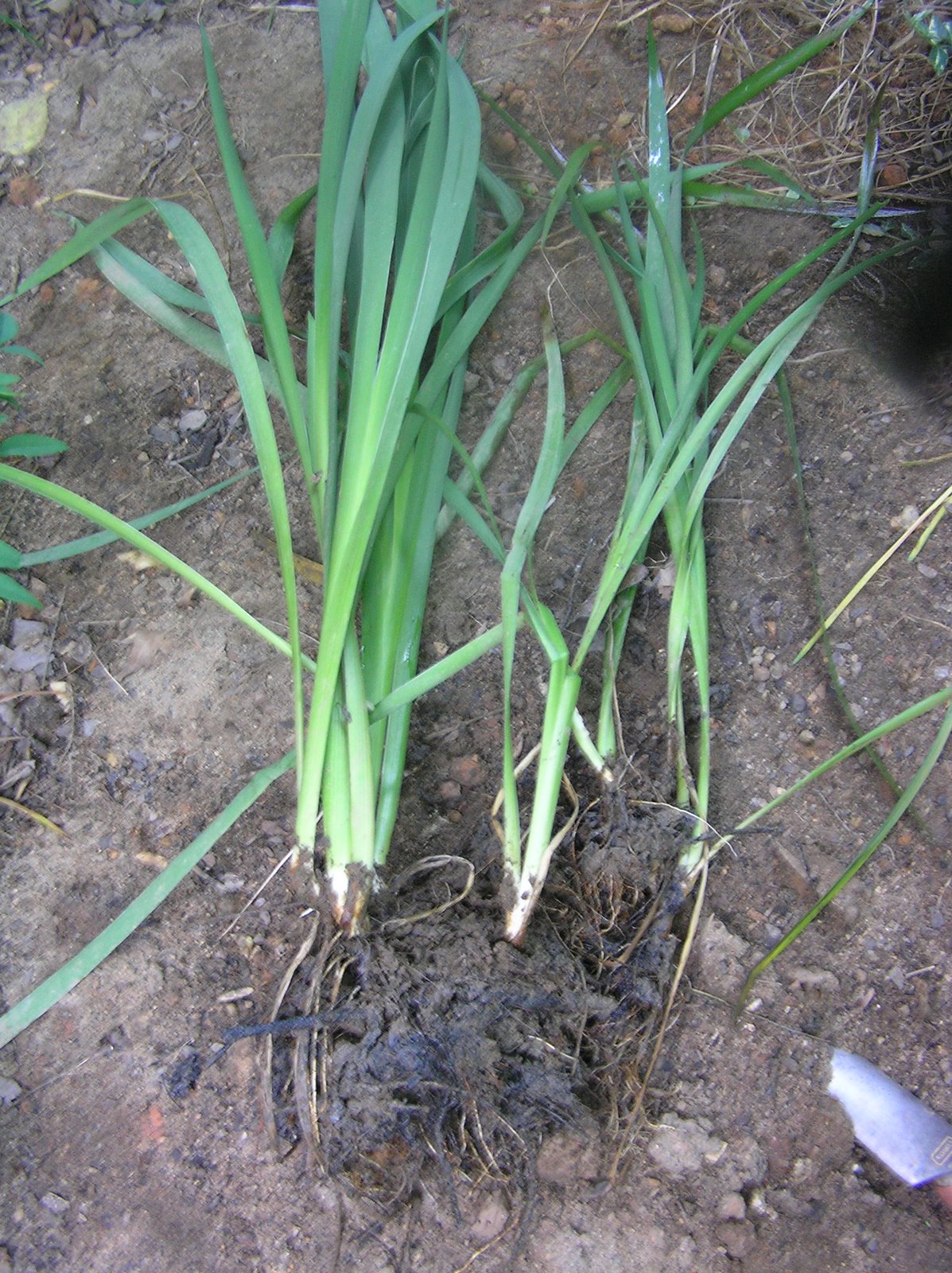
Propagating Polemonium or Jacobs’ Ladder can be accomplished either in the spring or fall by digging up the clumpy parent plant and dividing into how many transplants that have good root systems. In warmer zones Jacob’s Ladder is evergreen and its foliage, fern like and mostly variegated, often dress up a shade garden, leaves burn in sun, besides their bluish tinted flowers that produce blooms in May through July while deadheading will extend the blooms or it is a prolific self-seeder if you allow the flowers to go to seed, since they are fragrant and attract butterflies. Also deer resistant, the plant reaches a height of 15"-30," and prefers a moist soil.

Friday, April 24, 2009

Bidens ferurifolia-Bidens

Propagating Bidens should be done in the fall since it is only grown in Zones 8-10, by dividing the root ball or layering then transplanting when the roots are mature. This plant has yellow to orange blooms in mid summer to early fall, can reach a height of 6" and because it is fragrant honeybees and butterflies are found nearby. It is also a prolific self seeder and prefers a moist well draining soil, full sun, is evergreen, its leaves are dark green and fern-like, needs to be pruned back hard periodically and would be great in hanging baskets and is deciduous.

Wednesday, April 22, 2009

Hibbertia procumbens-Spreading Guinea Flower

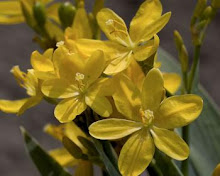
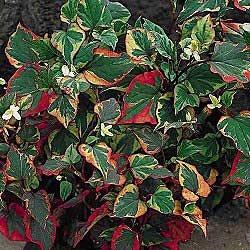
Propagating Hibbertia should be accomplished in the fall by dividing the parent plant into as many pieces that contain a good root system. It has yellow/gold flowers that can appear in the spring and flower through to fall. It is evergreen, in Australia it is considered a shrub, and grown only in Zones 7-8 , is deer resistant, drought tolerant and a plant that should be seeded annually considering its blooming period. It reaches a height of 4".

Monday, April 20, 2009

Pratia “Celestial Spice”-Celestial Spice Pratia

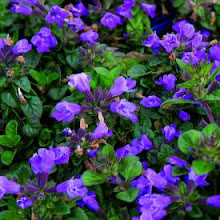
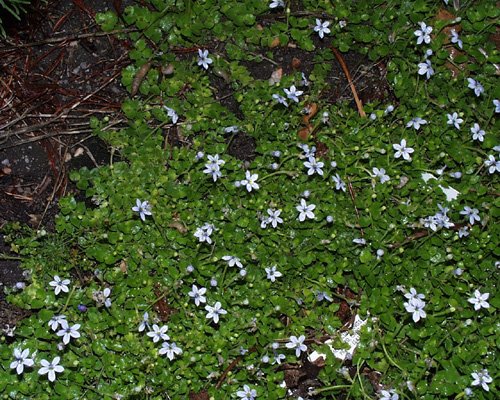
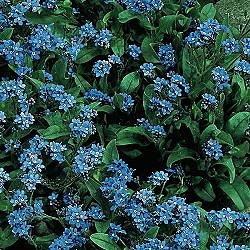
Propagating Pratia is best done in the spring or fall by digging up the rooted branches that spread out from the parent plant. Be careful this is a tiny plant. This is also one plant that will not take to drought and blooms from late spring throughout the summer so plant in semi shade not in the afternoon sun since it prefers a moist well draining soil. This is a plant that might be started in the spring from seed because it is only hardy in Zones 7-9, it has deep blue flowers, there is also a white variety, it reaches a height of 1"-2" and takes light foot traffic, useful amongst pavers and it is even used for a small lawn planting or for patio containers. It is evergreen in its perspective zones. Prune in the spring.

Friday, April 17, 2009

Acinos alpinus-Alpine Rock-thyme

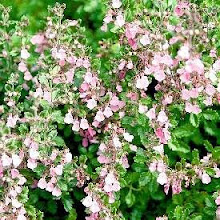
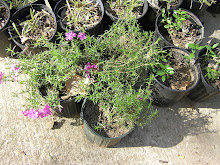
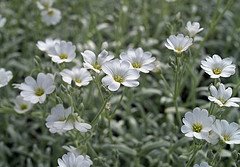
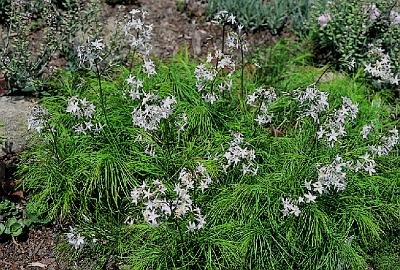
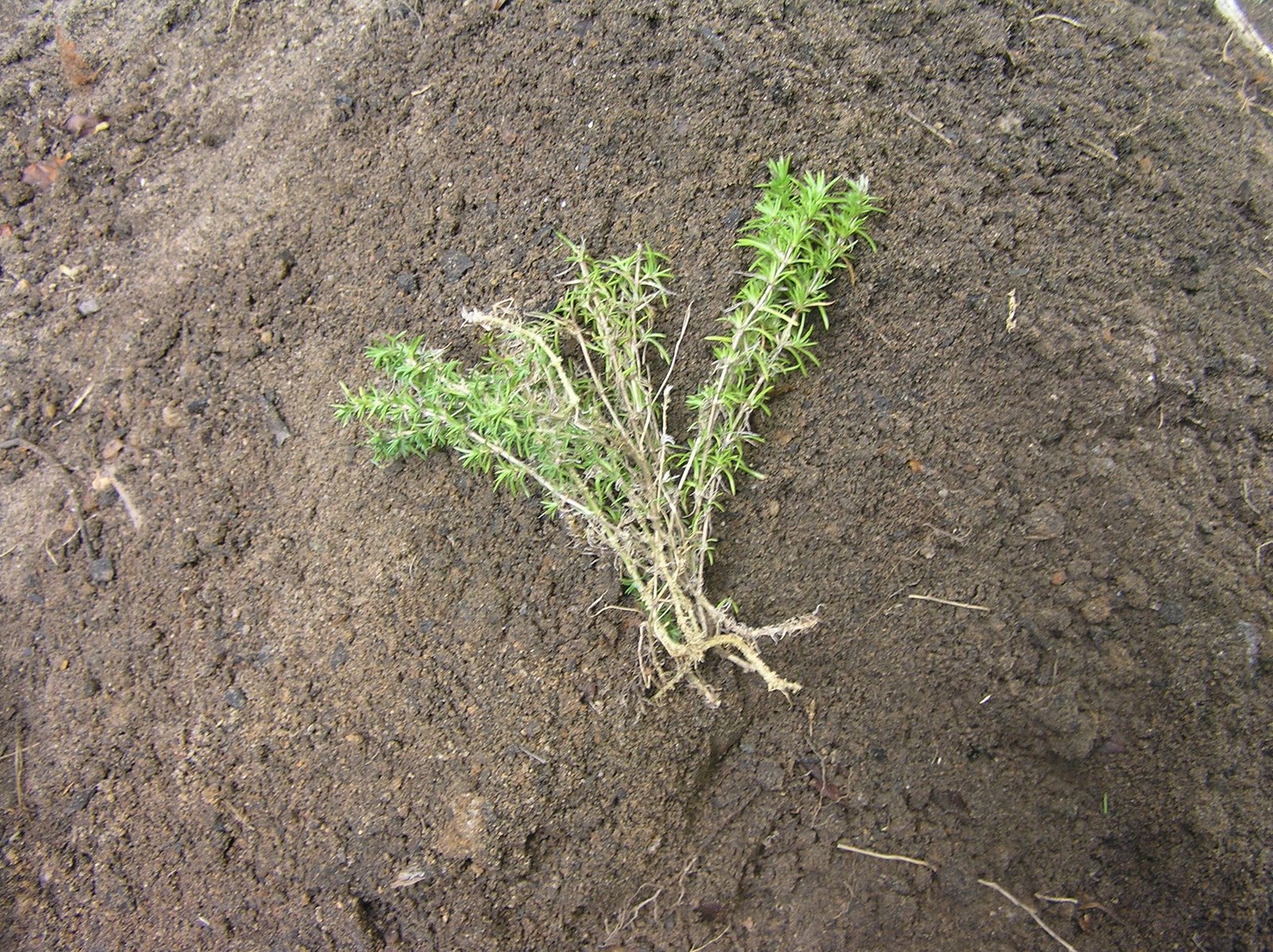
Related to Thyme but not as woody these plants can be divided in the spring by digging up the clump and splitting it into how many rooted plants you believe will transplant well. This thyme will bloom all summer long, is drought resistant, and is loved by honeybees and butterflies for its nectar. It is hardy down to Zone 4, but is only evergreen in warmer climates and will thrive in a sand /gravel soil structure. Its blooms vary from violet, purple, pink, grows to a height of 4"-6" and will presume is deer resistant.

Wednesday, April 15, 2009

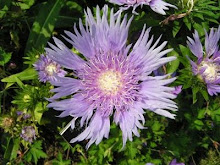
Stachys byzantina-Lamb’s-ear

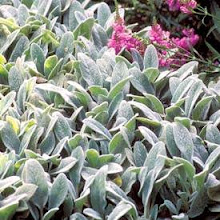
Unless you have sloppy unfertile soil I have no clue why anyone would want to propagate Lamb’s-ear, but if you do dividing the clump is simple either in the spring or fall. In NC it is a weed and I have killed most of it off when it invades my lawn, thanks to neighbor’s weed patched surroundings. It does have a magenta/pink flower in June which will reach upwards of 18", will take light foot traffic and its leaves are a felty silver grey. On my lot, recently cleared, loads of wildflowers have taken over and I spotted a tiny plant this past weekend with a beautiful half blue tip/half white throat, 3" in height, that I transplanted for safe keeping. It reminded me of Chinodoxia, which it could be since squirrels dug up some bulbs after planting, but normally they bloom with crocus, which had gone by. Recent burned/cleared properties yield tons of plants with unusual flowers that a person would not normally see along with poison oak so if one gets a chance explore do it, because the odds are they will not be found in a nursery. Lamb’s-ear is drought tolerant and deer resistant. Check out the native plant list for your state and usually they have photos.
 
http://www.blogcatalog.com/directory/home_and_garden/gardening

web site counter
South Beach Diet