Gardening  Blogs - BlogCatalog Blog Directory
propagating perennials
Undergoing MyBlogLog Verification

Sunday, December 30, 2007

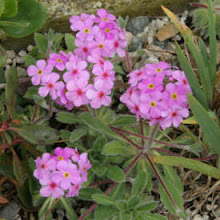
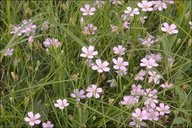
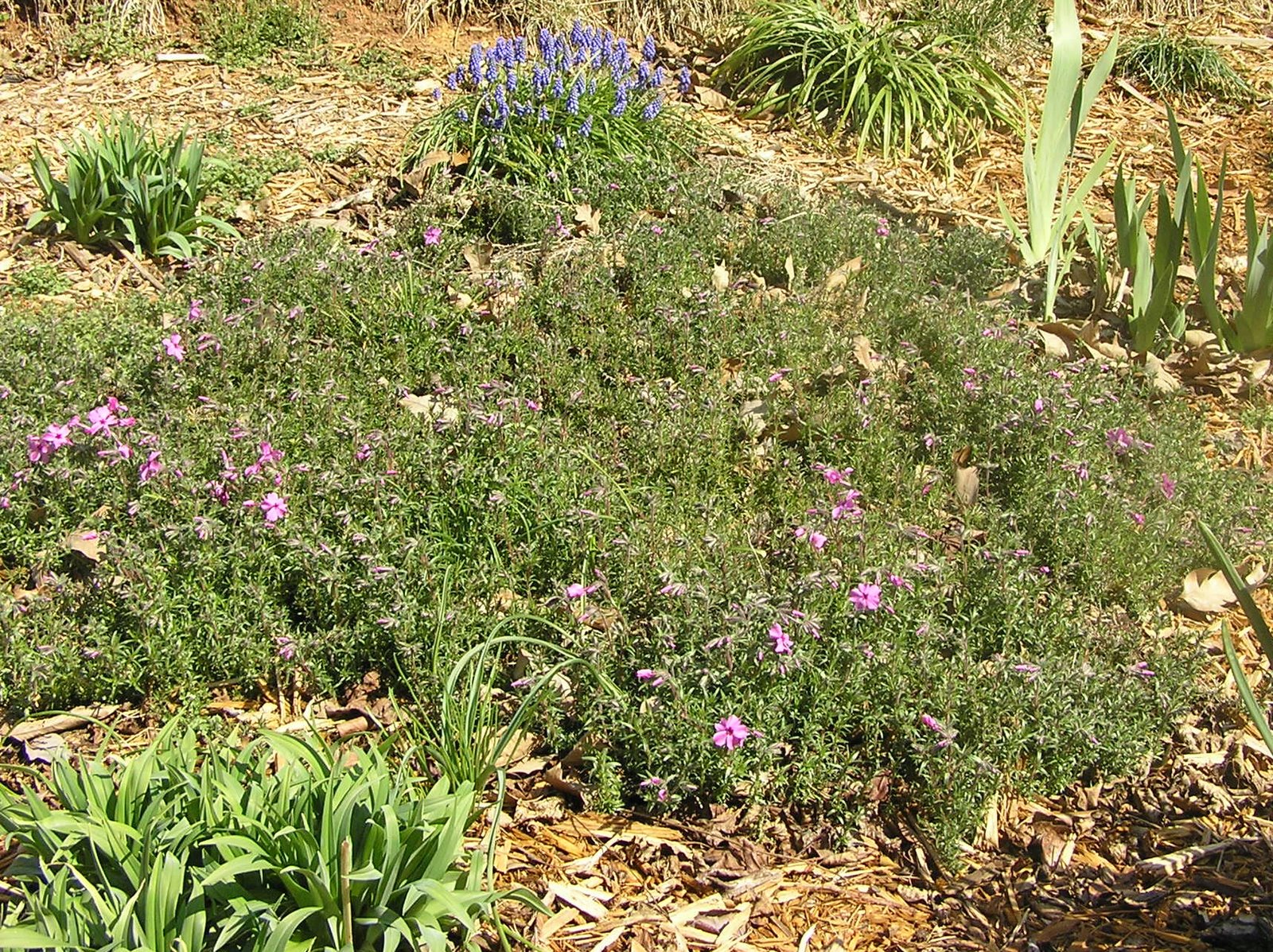
Phlox subulata

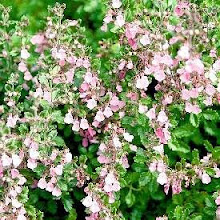
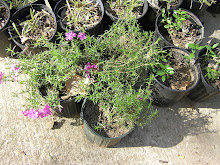
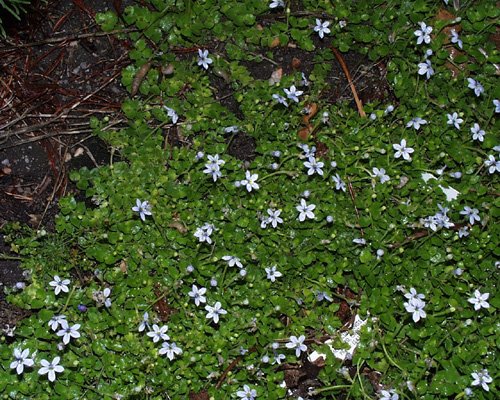
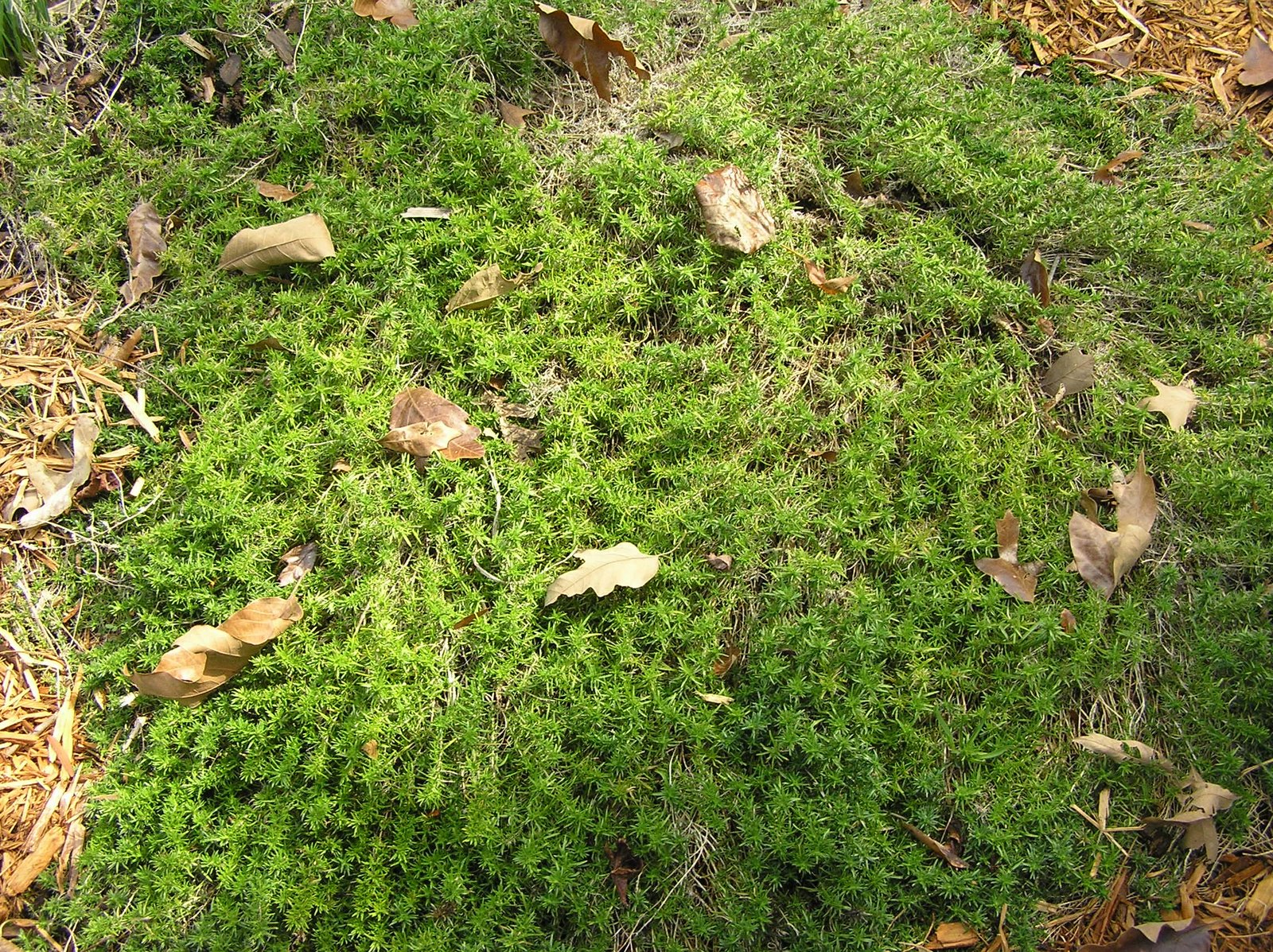
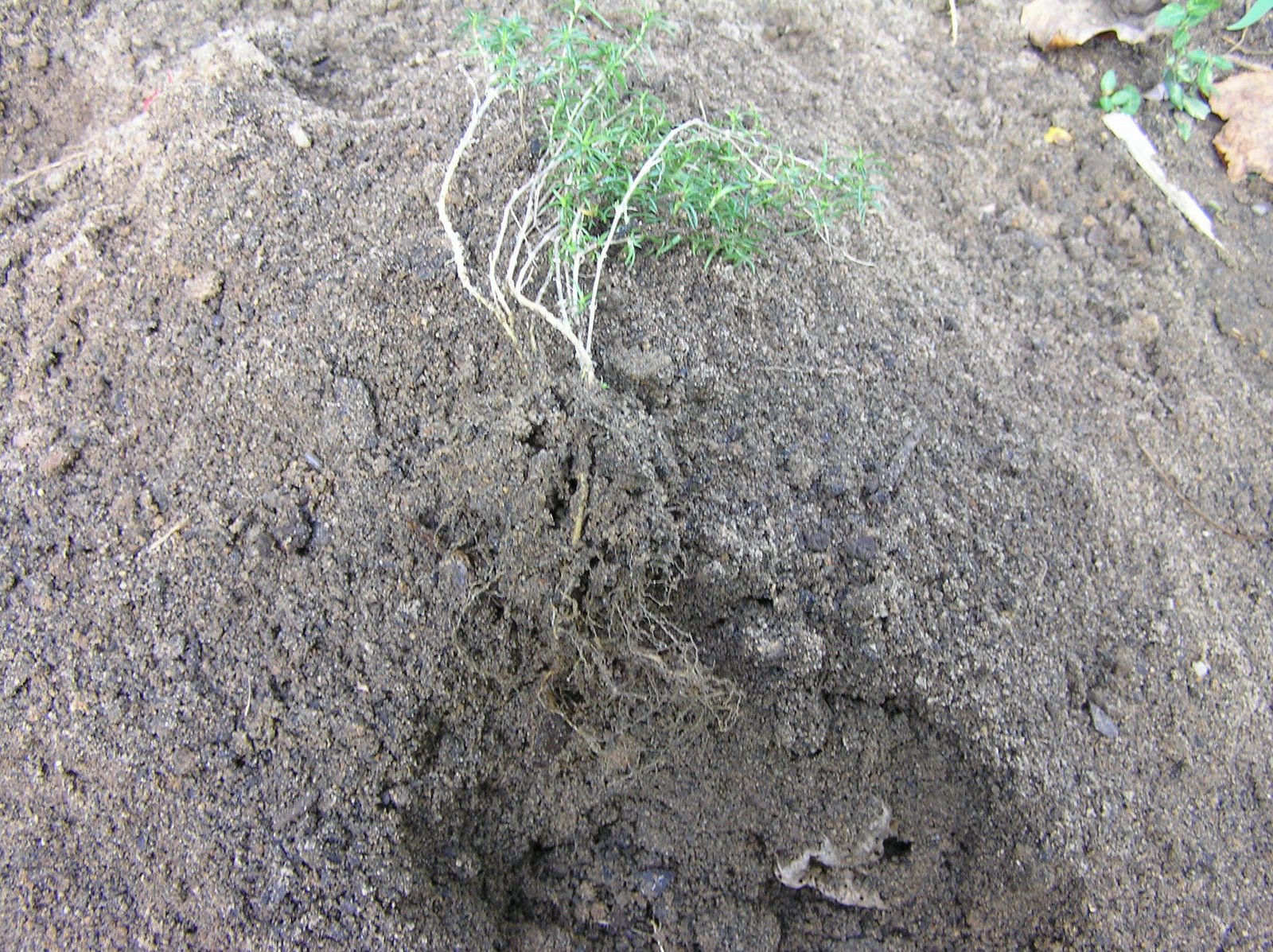
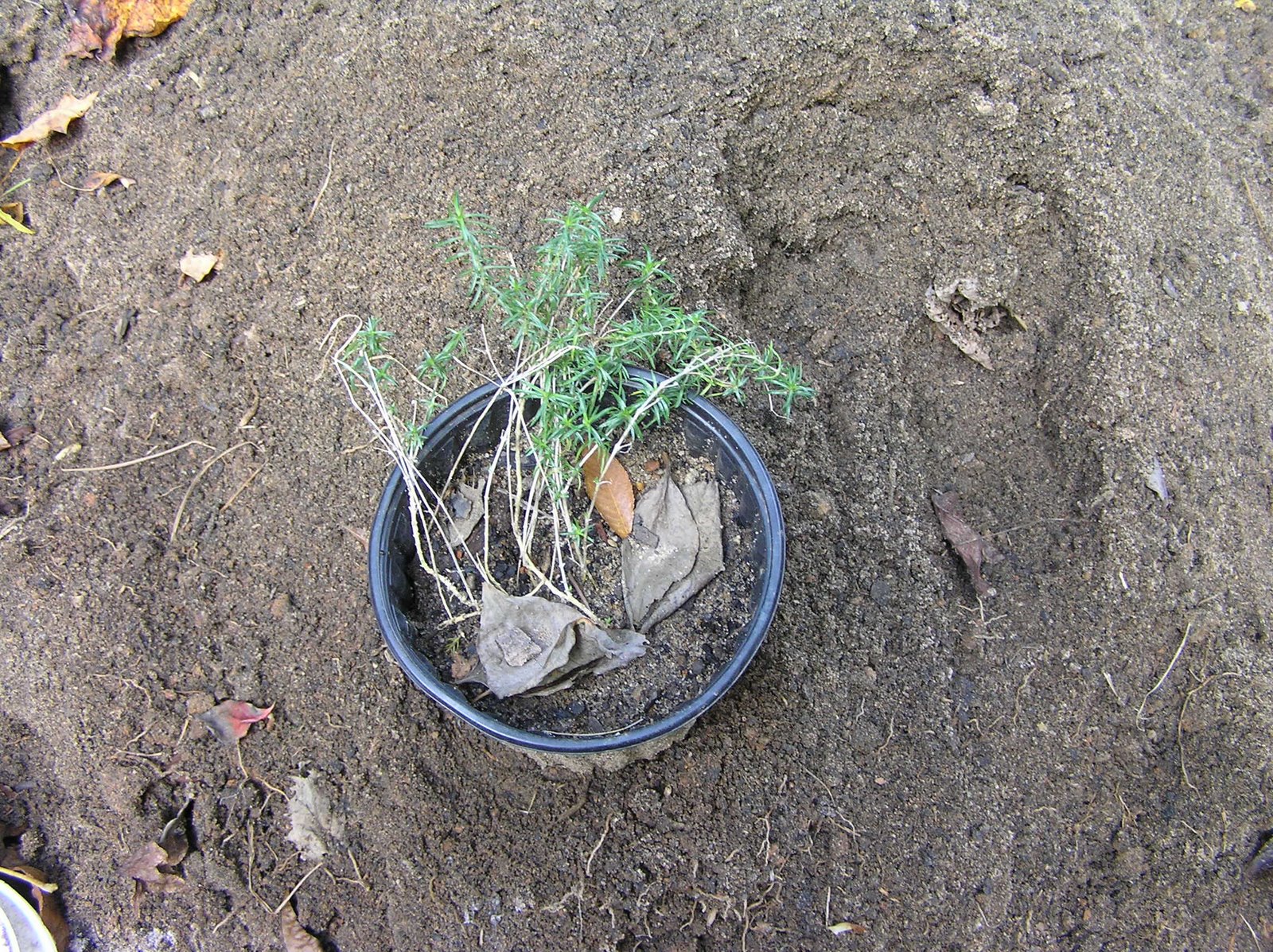
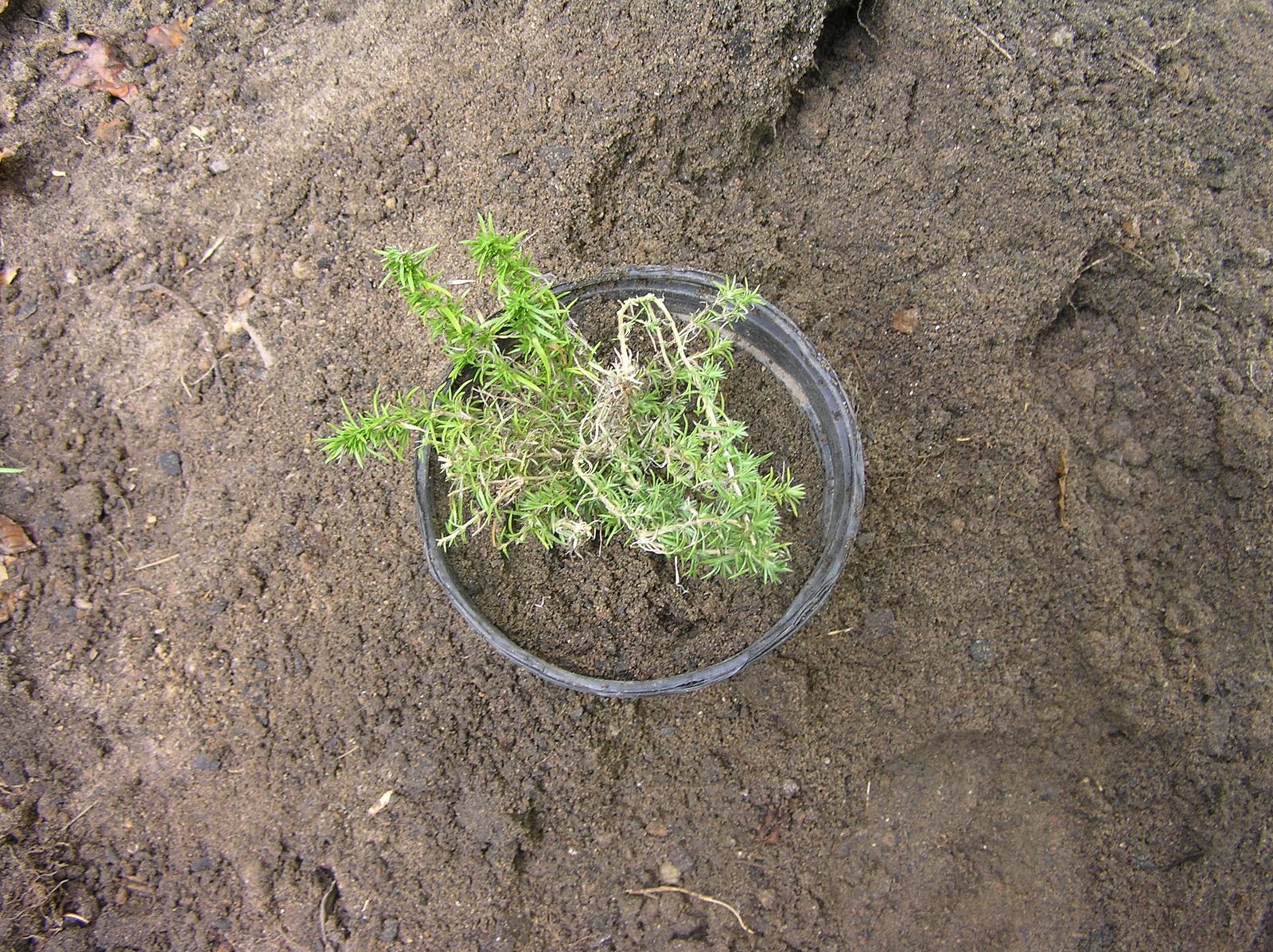
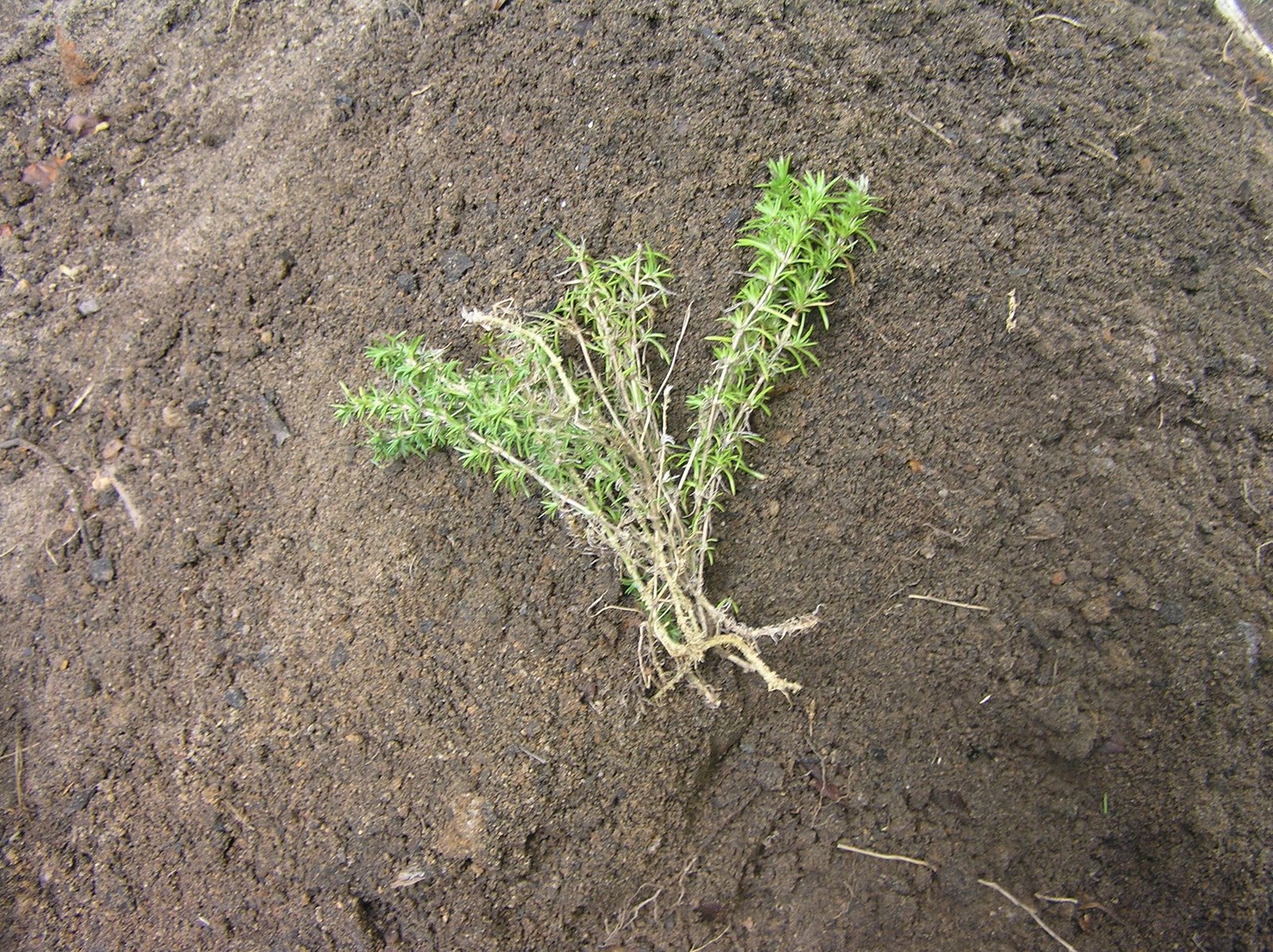
Phlox Subulata or moss pink or creeping phlox is the perennial to propagate and is used in rock gardens, as edging along pathways, and on slopes. Color varies from red, white, pink, blue, lavender, or purple. Standard propagating procedure is by division, however because it can spread out up to two feet, the procedure I suggest is layering and again not all the branches are self-rooting and one needs a microscope to find the starter roots. It is best to dig up a clump and systematically break apart the clump gently and use 5-6 branches clumped together to pot and cut back the top growth to approximately 3" to help promote root growth and branching out when the plant takes hold. Make certain all plants that you are attempting to root have ample water and you will have a blast of spring color in your landscape garden bed once the roots are formed and transplanted.

Saturday, December 29, 2007

Cotoneaster

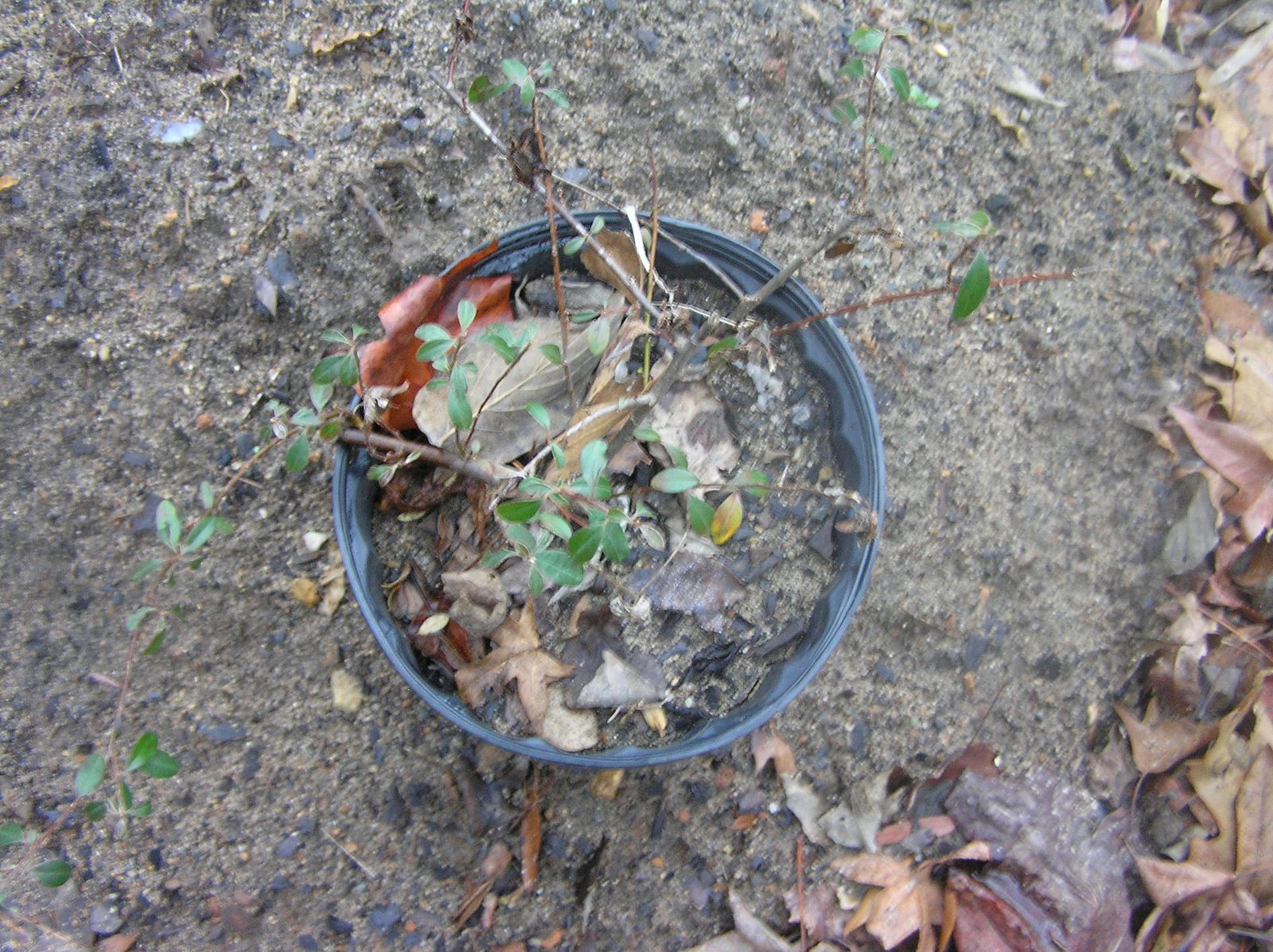
Cotoneaster, a fast growing semi-evergreen groundcover type woody plant is the next to propagate by layering. Remember layering occurs when a plant spreads along the ground and sends out roots under optimum soil conditions. Not all branches, just some. Depending on the climate usually if the branch is pruned early in the spring and potted in a good sand/manure mix with bone meal, one should have a sturdy new Cotoneaster to plant in the landscape garden bed by fall. Make certain the branch that is planted in rooting medium is pruned back to about 6 inches so when it starts growing it will branch out in two or more different directions. Rooting hormone is not necessary. Cotoneaster is an semi-evergreen with small red berries in the fall and landscape designers usually use it to flow over walls or in rock gardens because most varieties cascade with the new growth appearing at the top with the old growth dying underneath.

Wednesday, December 12, 2007

Layering.

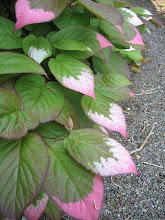
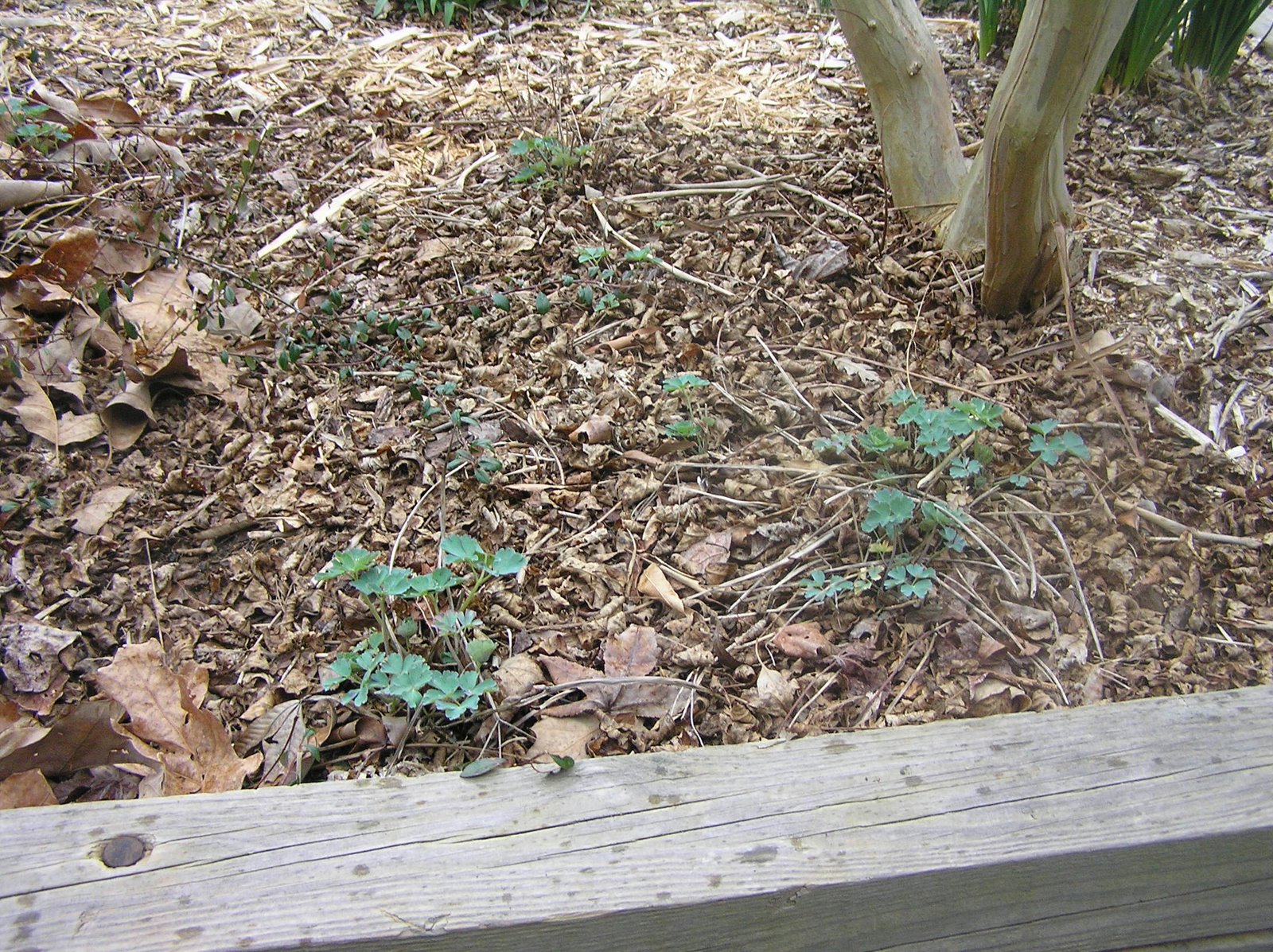
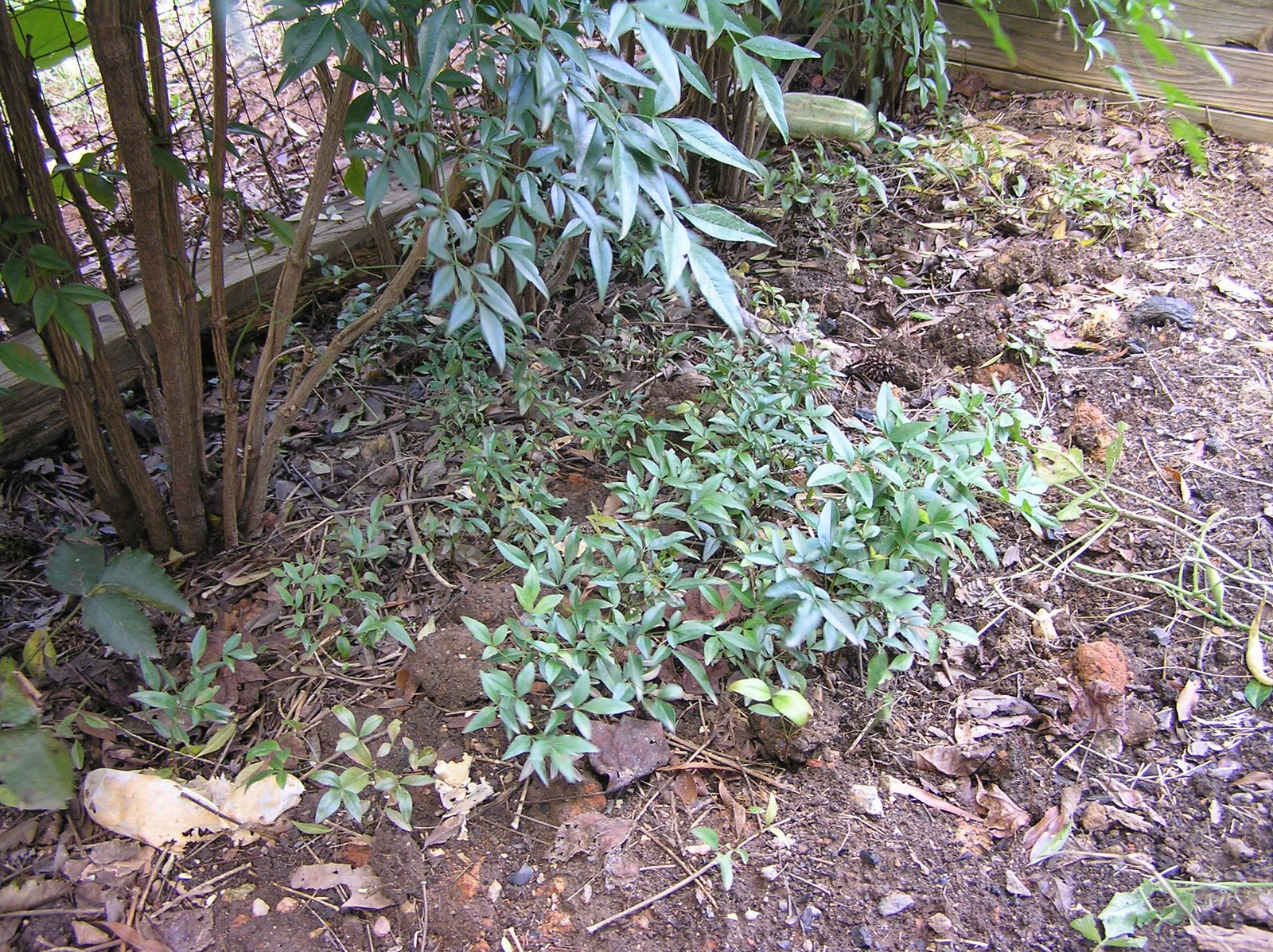
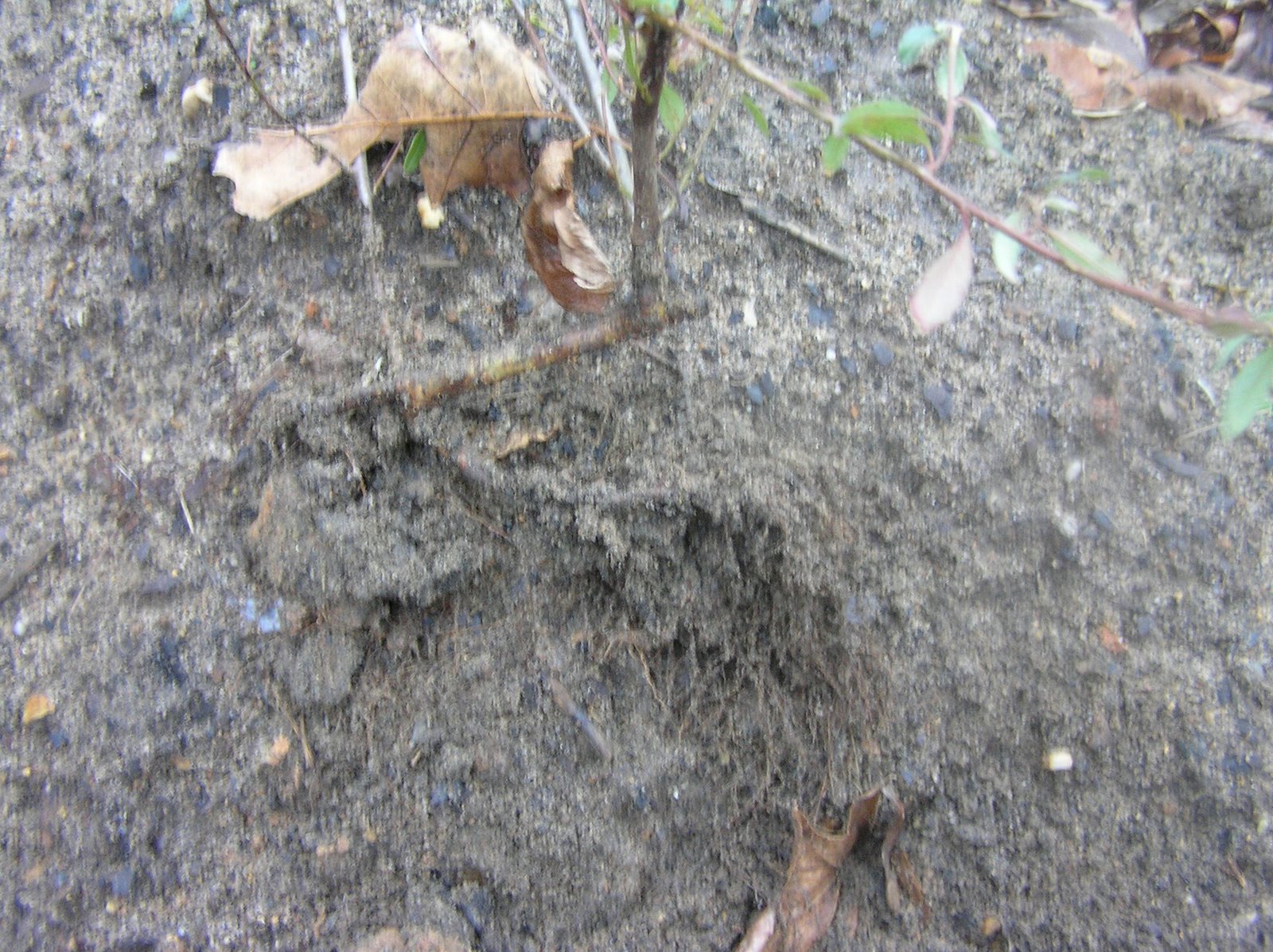
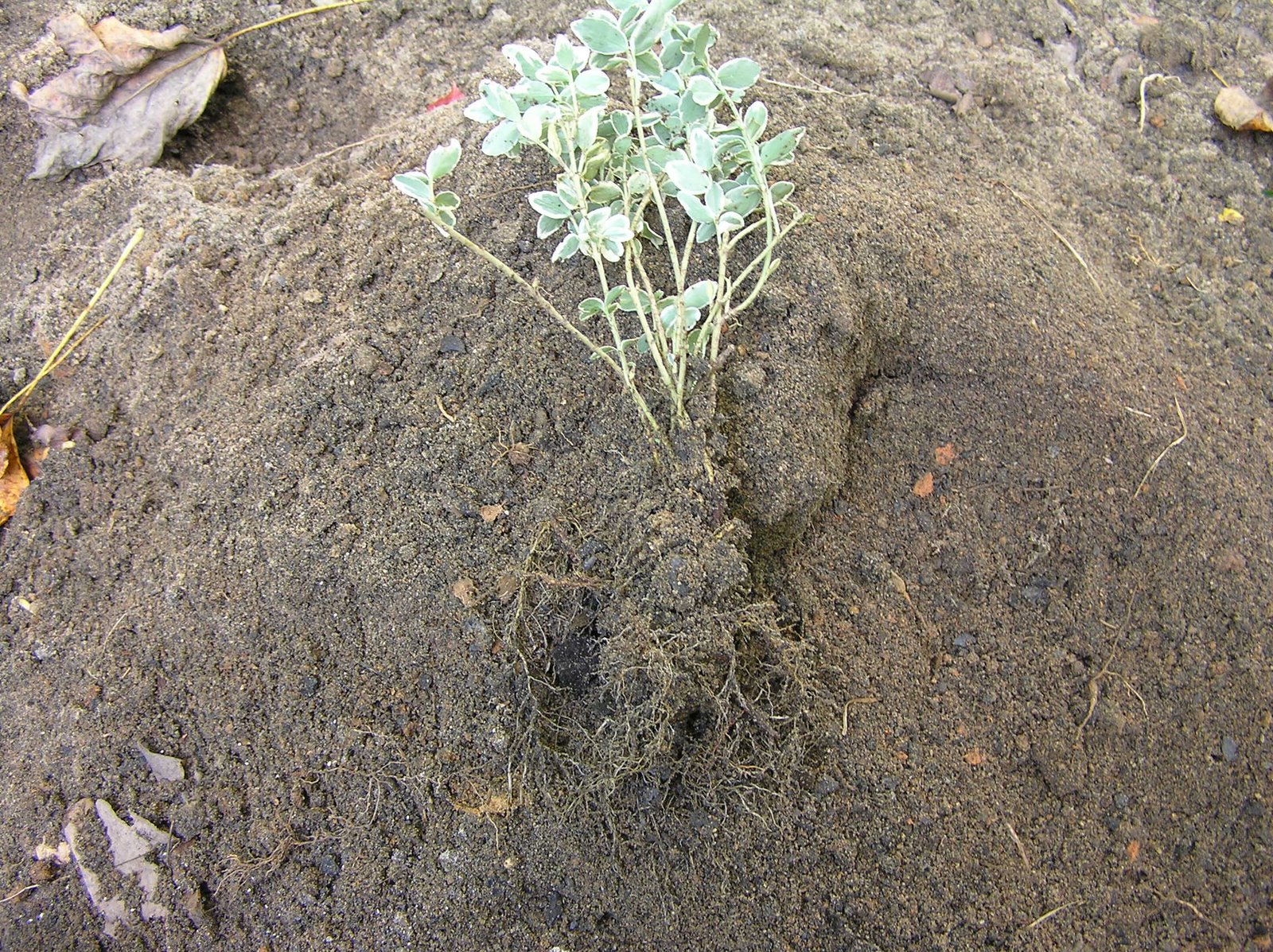
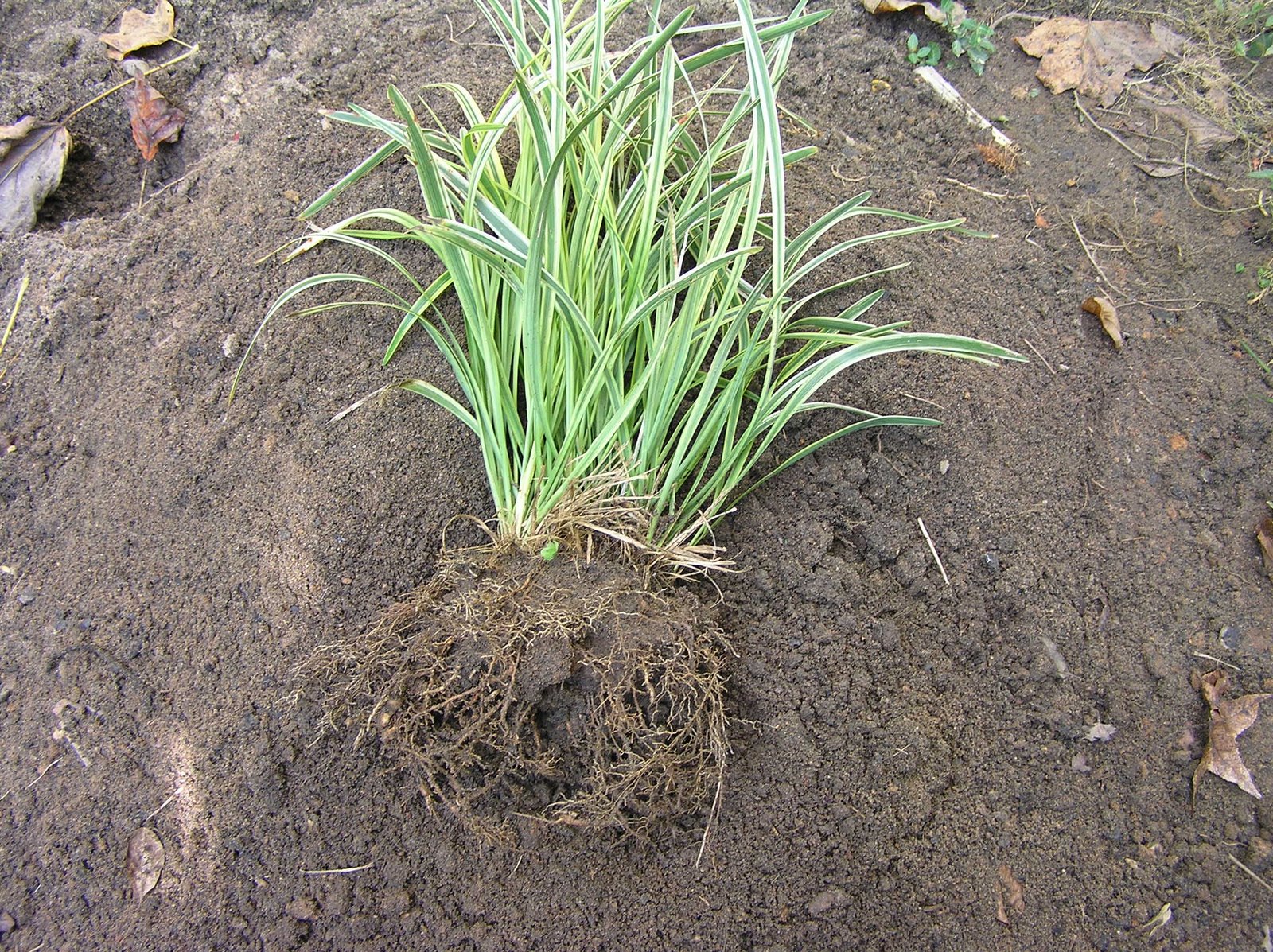
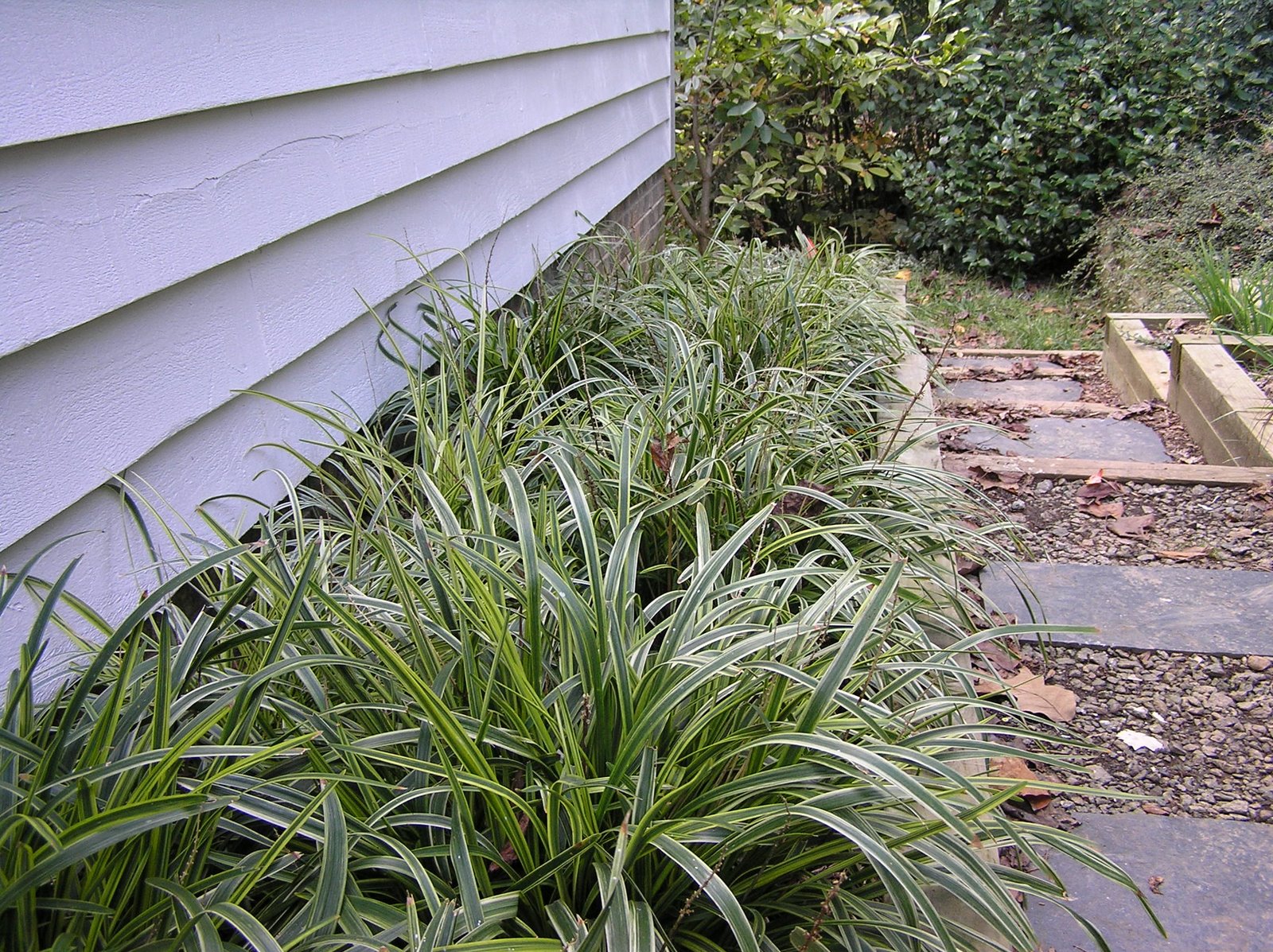
Now that I have gleaned over propagating perennials by division, and there are many more different varieties of plants then I covered, actually that’s how I propagated the biennial, Columbine, because it is self seeding, the next step is propagation by layering and this occurs when plants spread branches out parallel to the earth and send out roots into a fertile patch of loose soil. You prune the branch that sent out roots back towards the base of the plant. You bunch together a handful of these cuttings, pruning back the top growth to curtail it from initially sending out new growth until the roots take hold. This is the natural growth habit of Euonymous, in this case “Emerald Gaiety,” an evergreen woody plant,as shown in the picture. What some people do, because this can be the easiest way to make rooted cuttings if there is ample moisture and good loose soil surrounding a plant is to layer or bend a branch parallel to the soil of a particular plant variety, then pin it to the ground with heavy gauge wire bent in two to hold the branch down close to the soil and in the fall after the branch is rooted they prune the newly rooted branch and pot it up. Again bone meal and a watering procedure are a necessity and are good horticultural practice.

Wednesday, November 28, 2007

Spring bulbs.

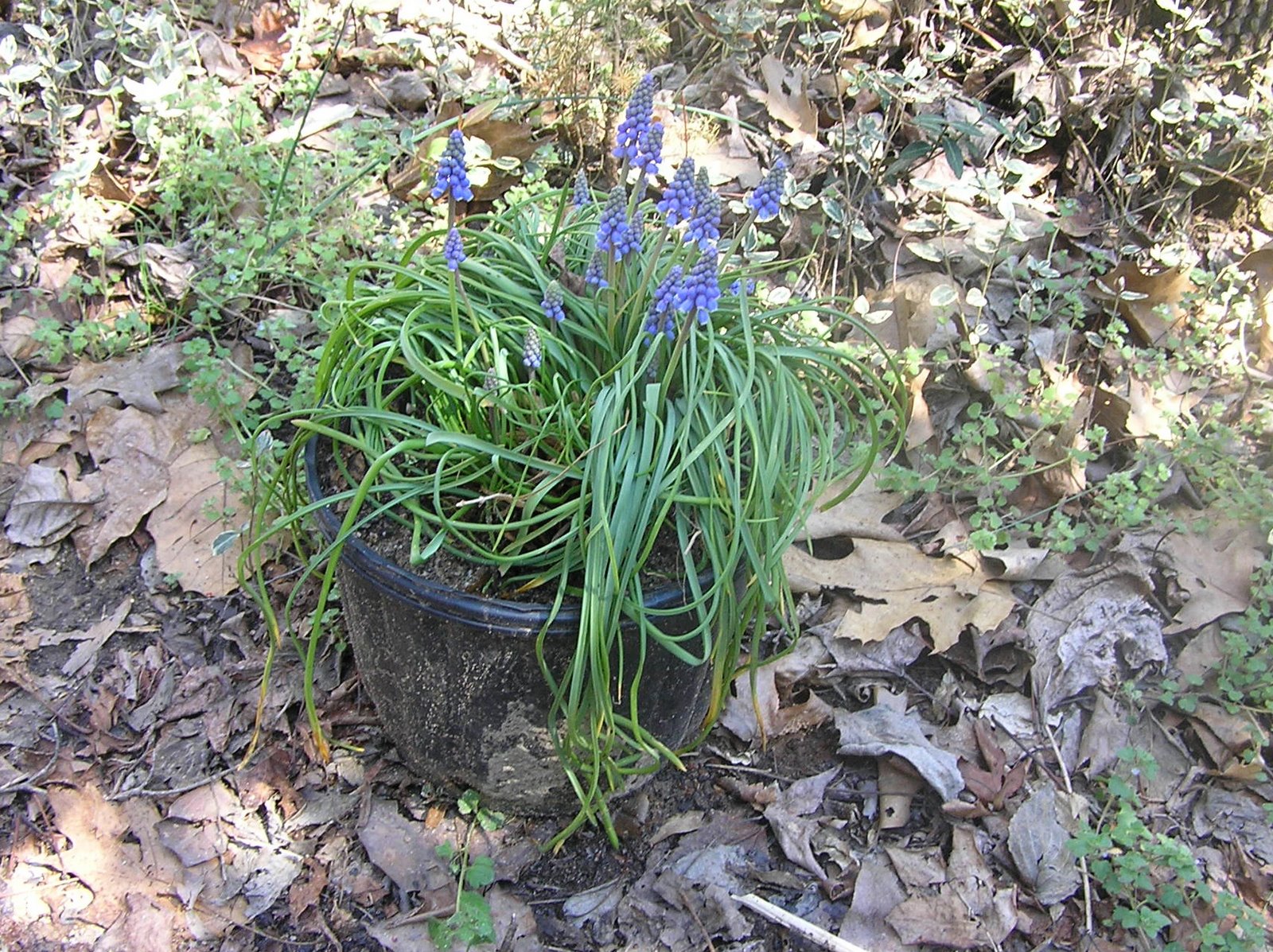
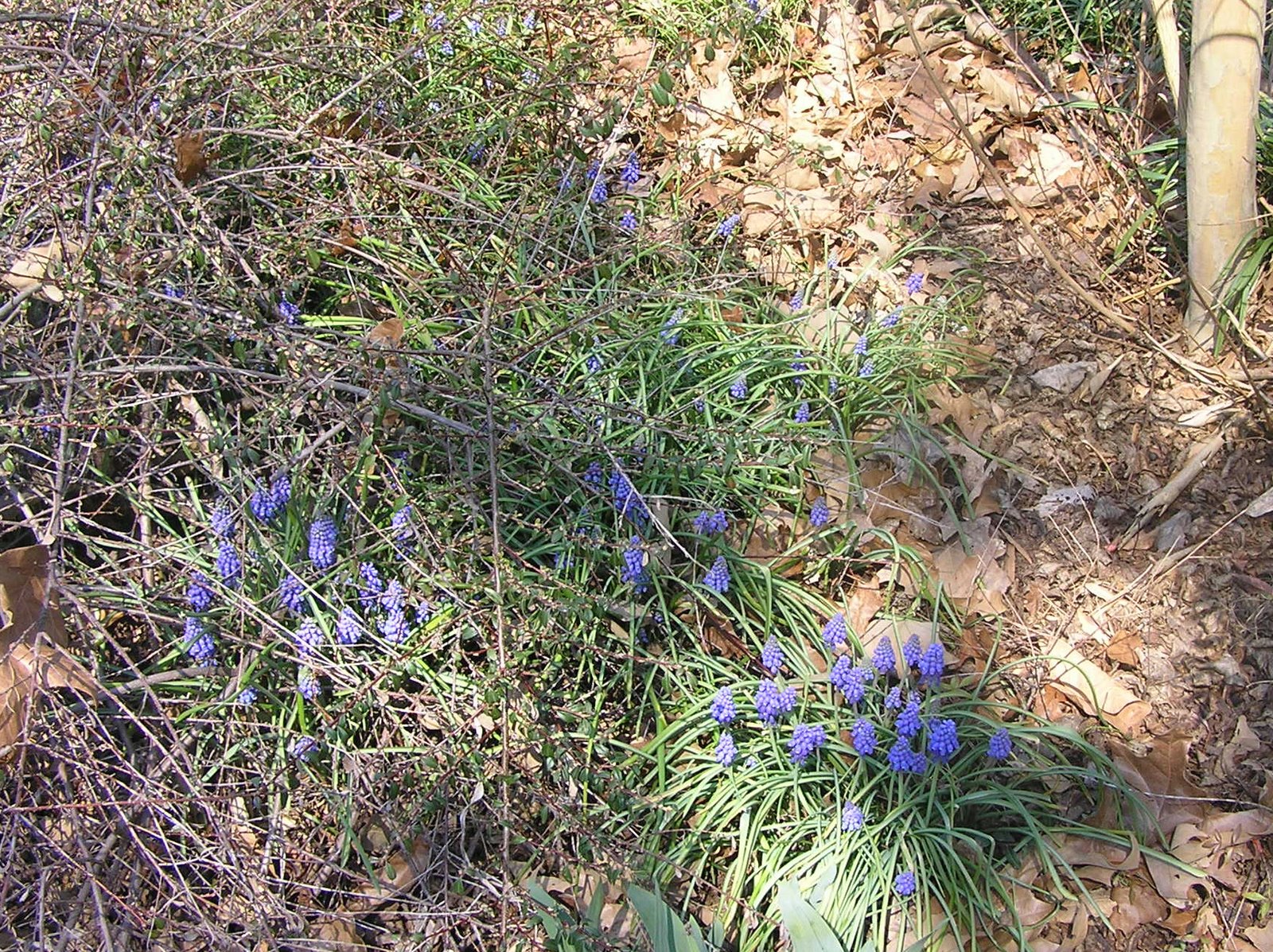
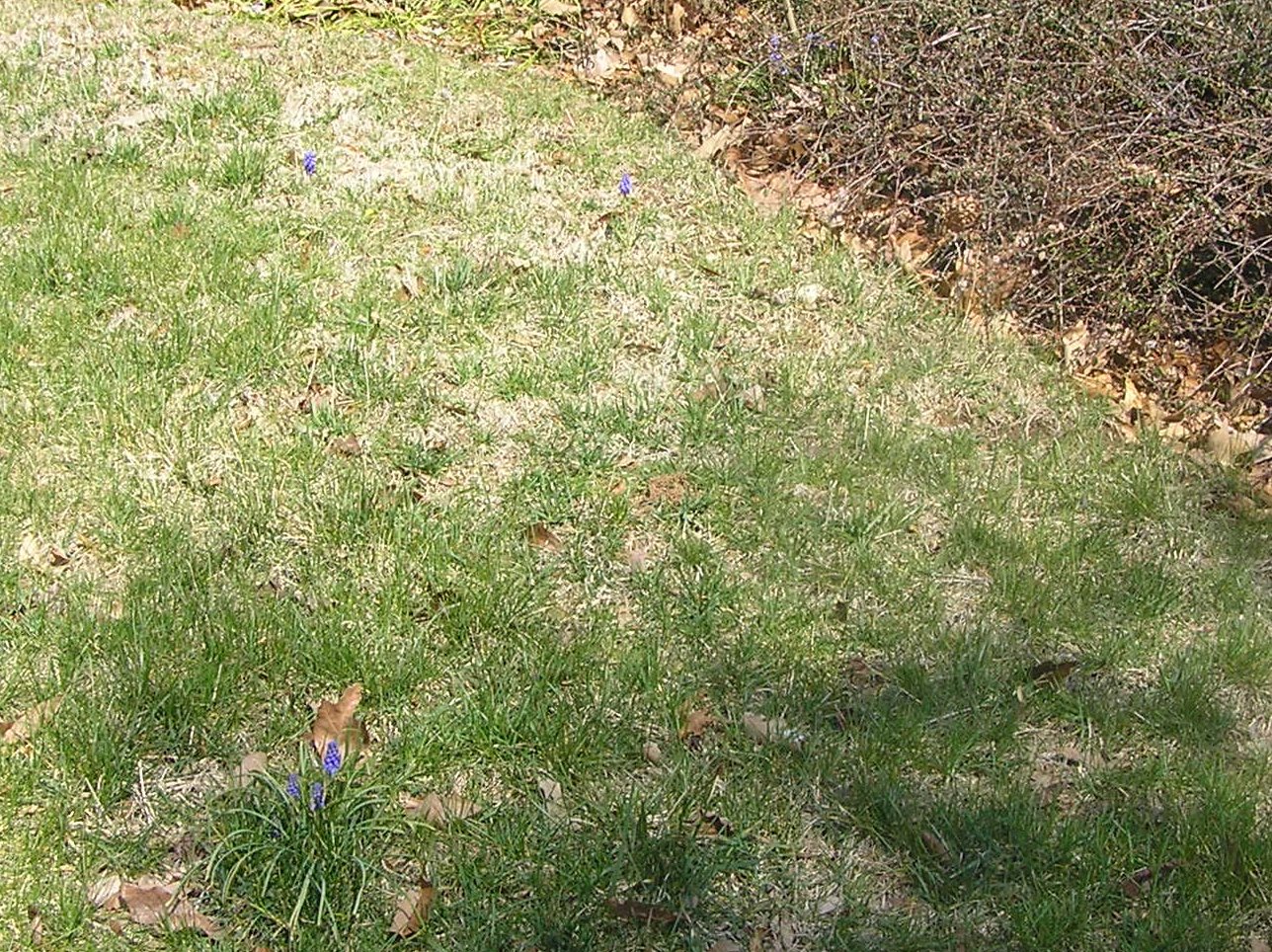
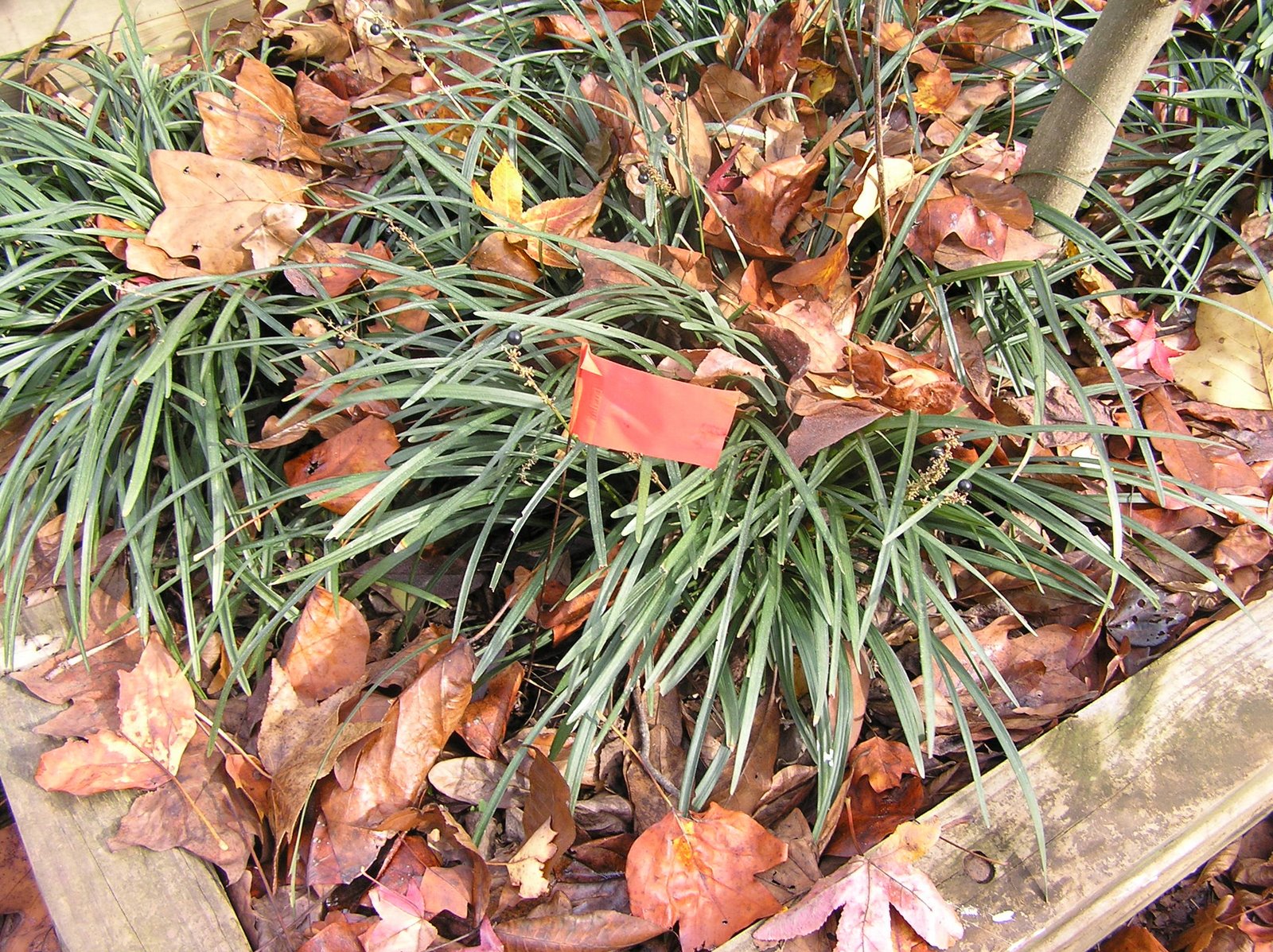
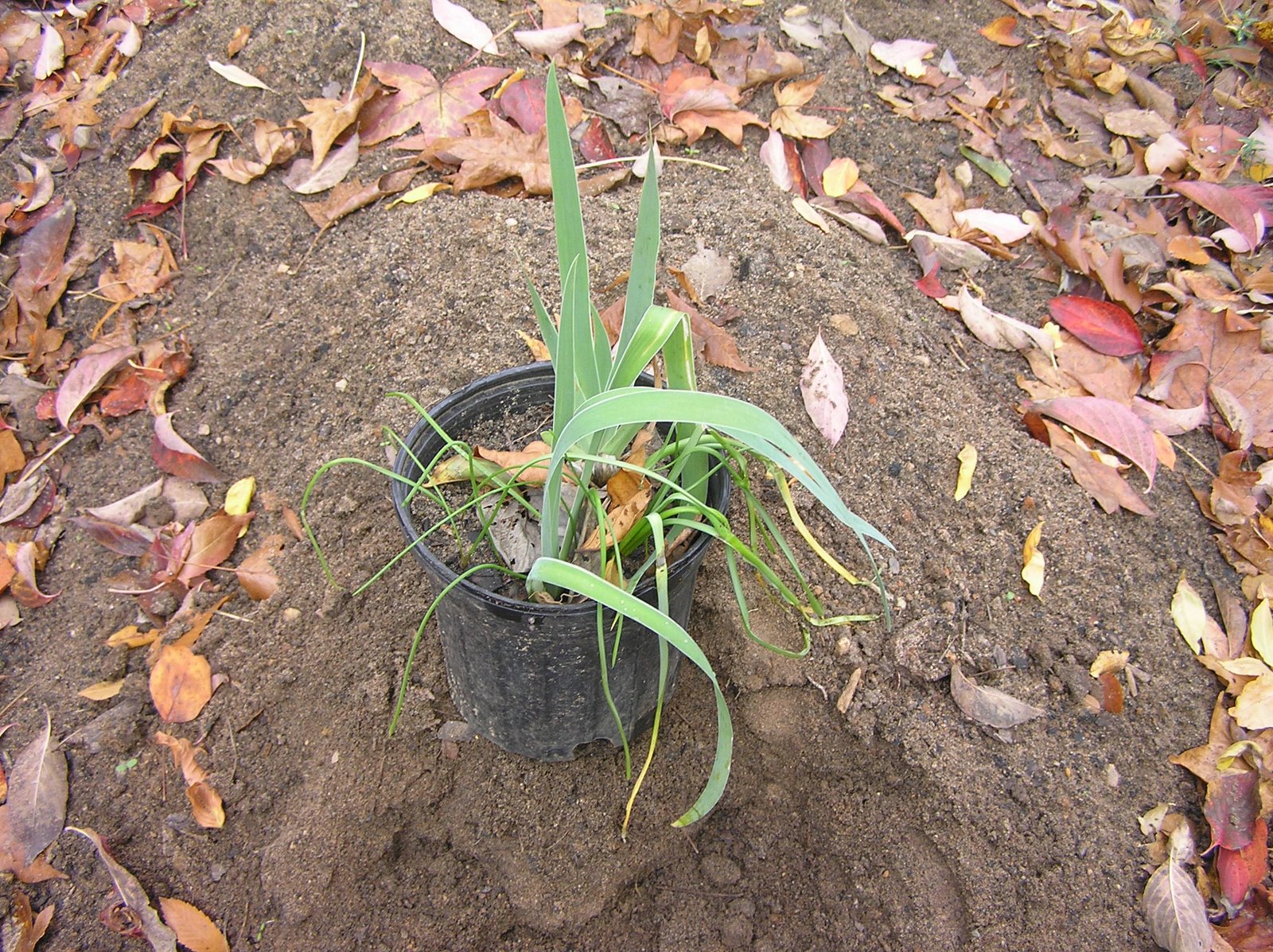
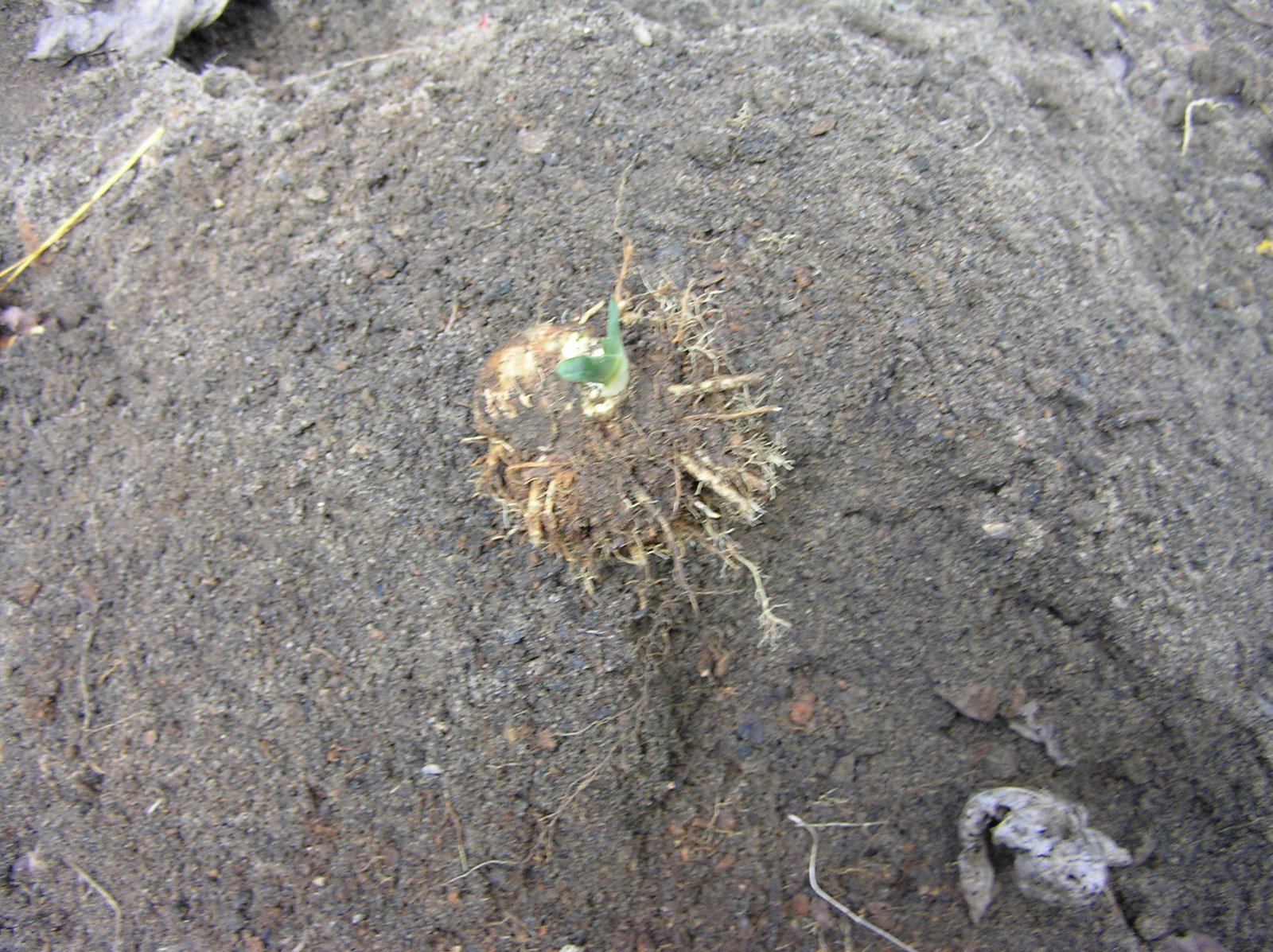
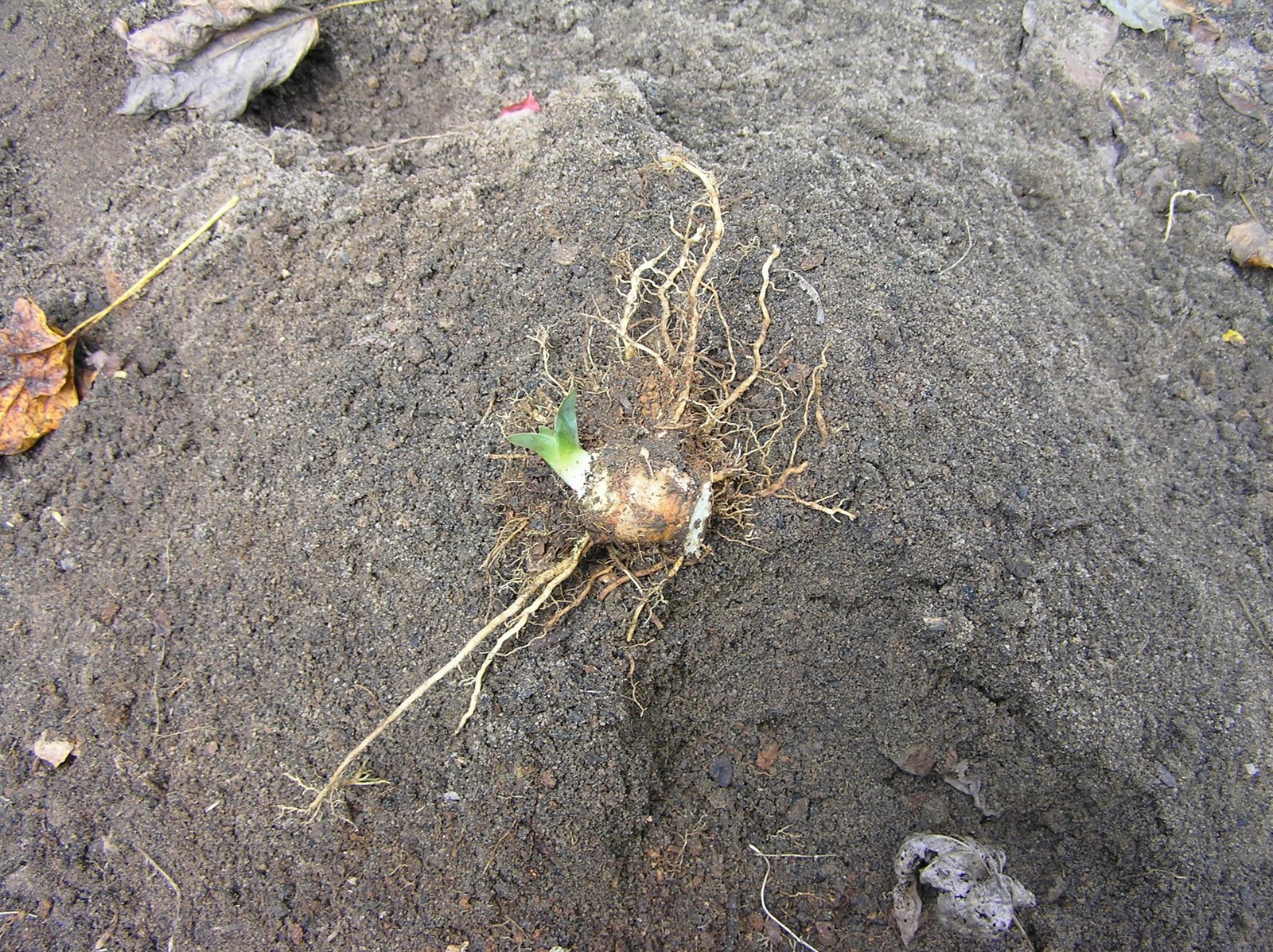
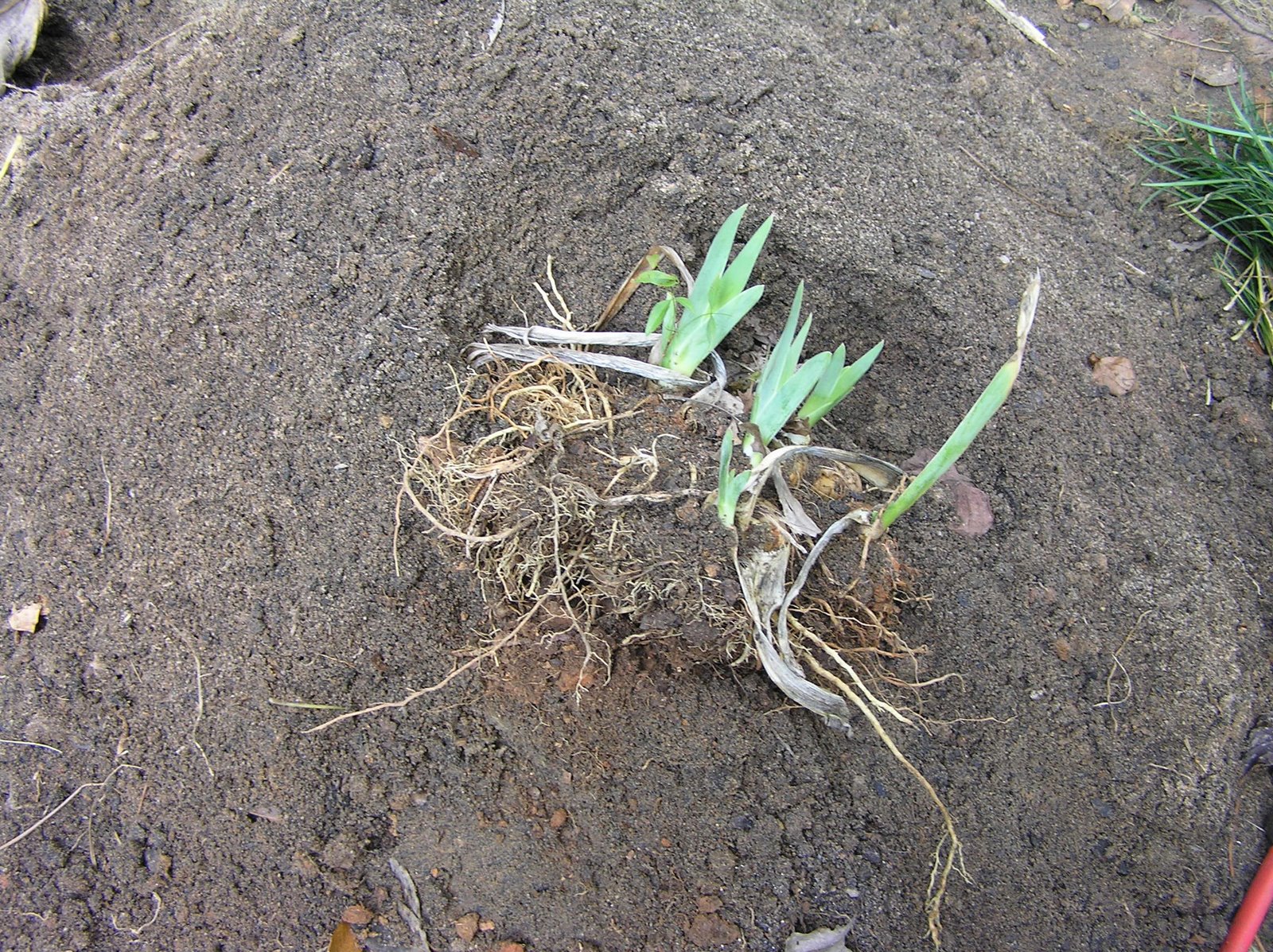
Next up is spring bulbs for the landscape garden bed. In my yard Grape Hyacinths spread like weeds. Look in the photo of the Bearded Iris that I propagated. Deep in the soil of the clump I dug up lay Grape Hyacinth bulbs. The best way to figure out where your bulbs are that you want to transplant or divide in the fall is to flag the group, but Grape Hyacinths unlike most bulbs, sprout their leaves in the fall. The flags can be purchased at Home Depot. Usually in spring and summer one doesn’t notice the flags because the gardens are in full bloom, and yet they seem to pop up come fall. Just make certain when you start digging that you give yourself enough room, because sliced bulbs don’t appreciate being cut in half. Careful horticultural practices reap rewards.

Tuesday, November 27, 2007

Coneflower

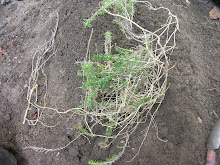
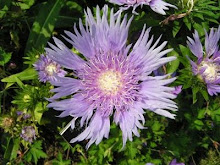
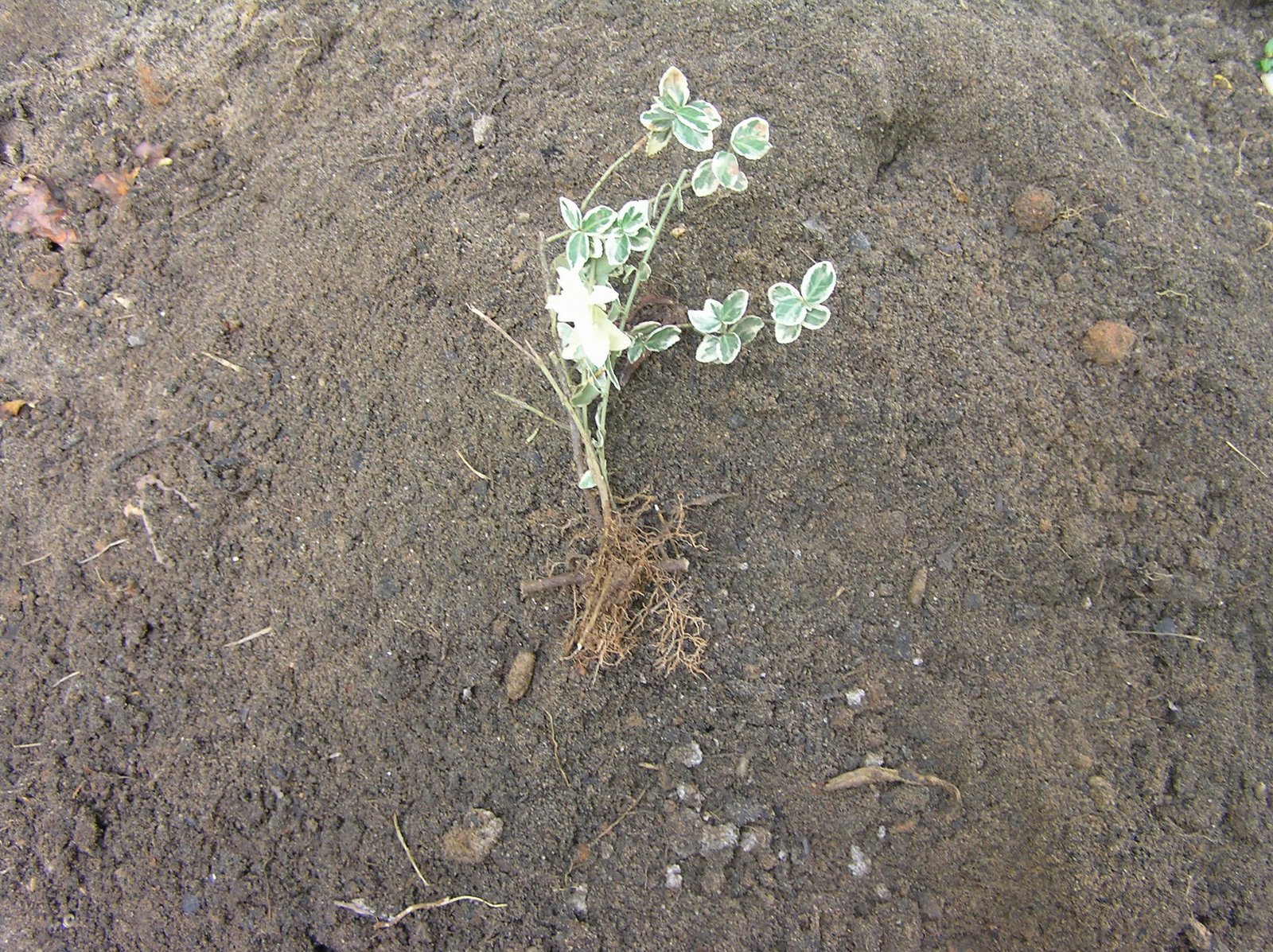
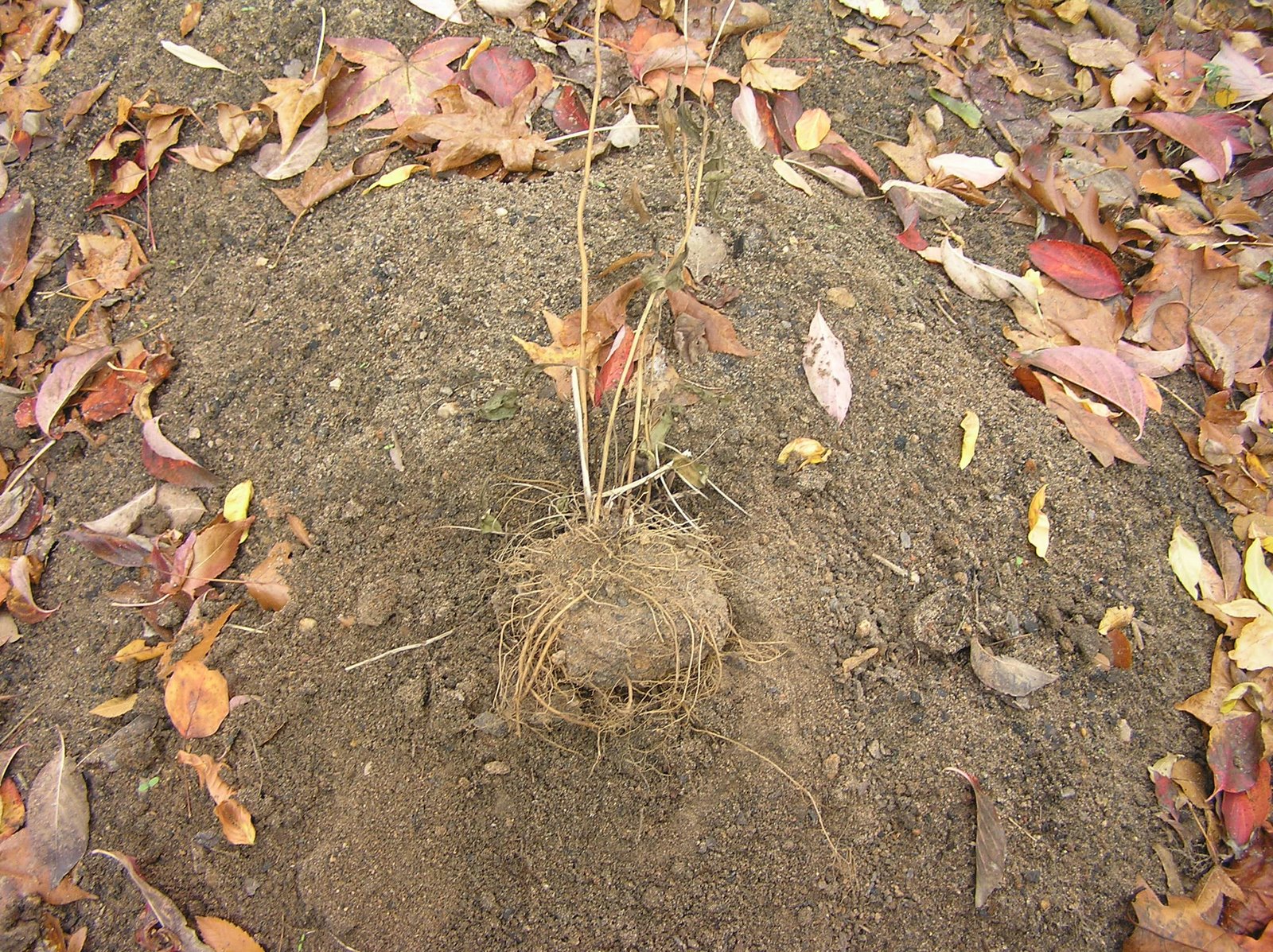
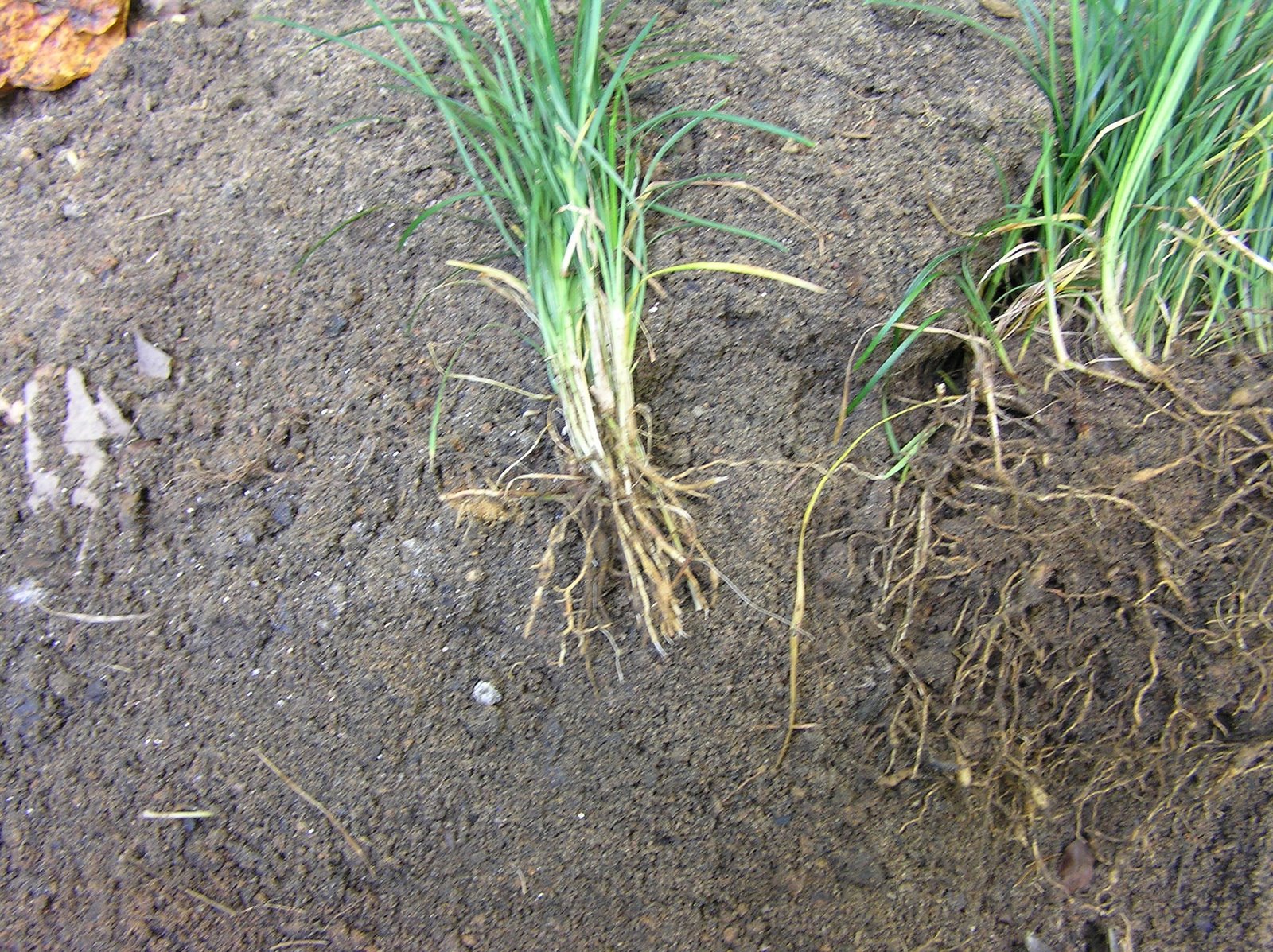
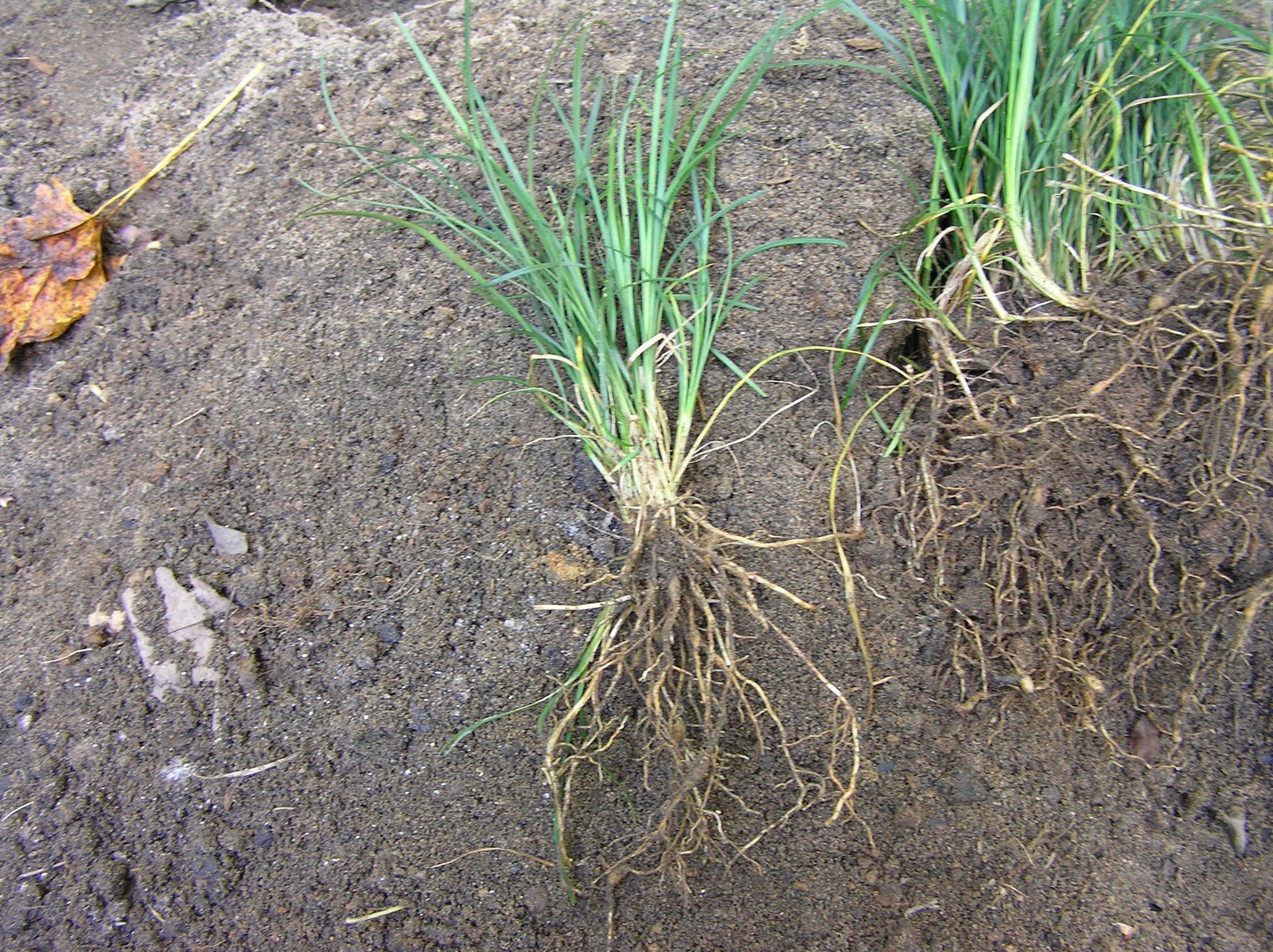
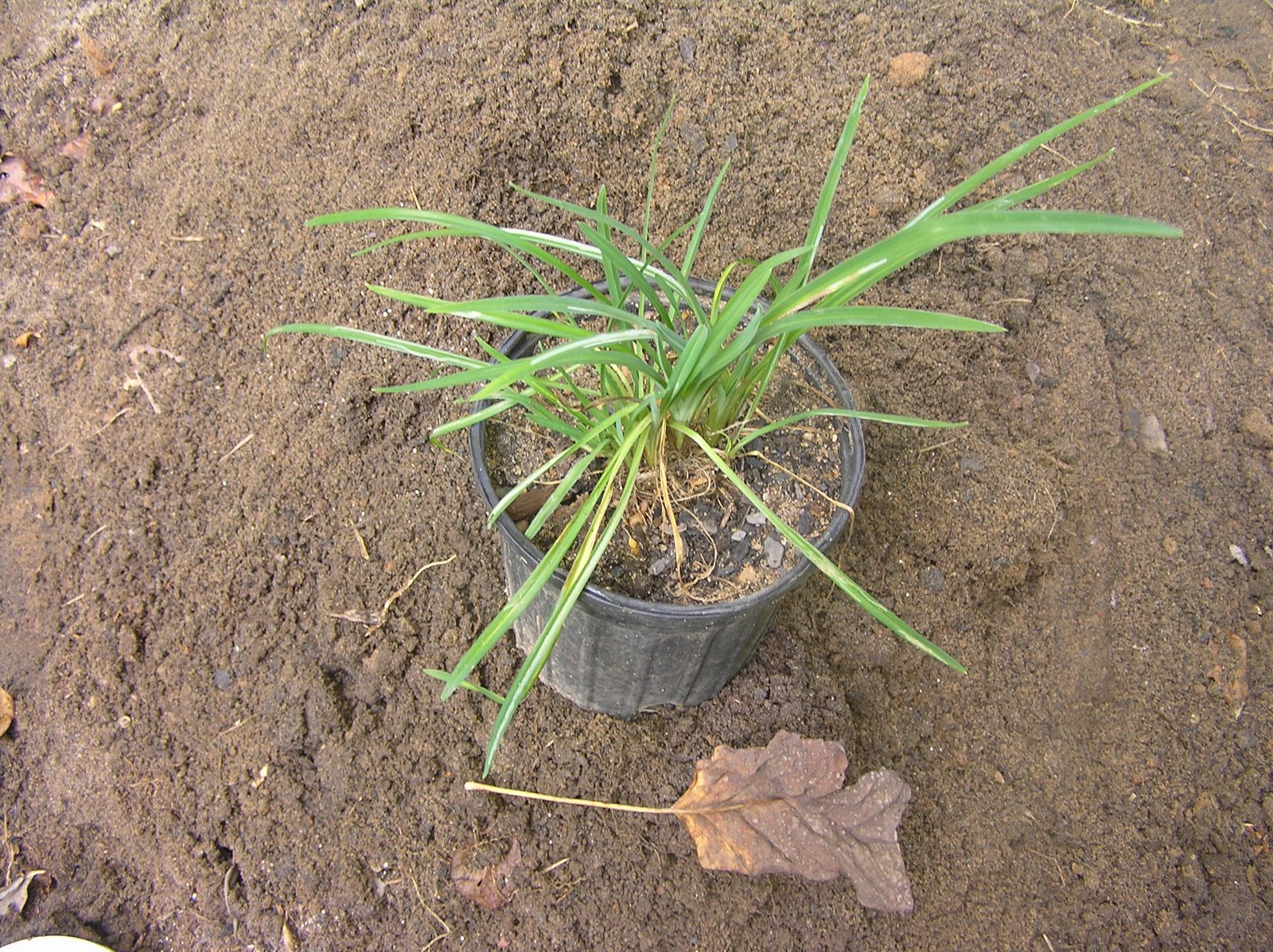
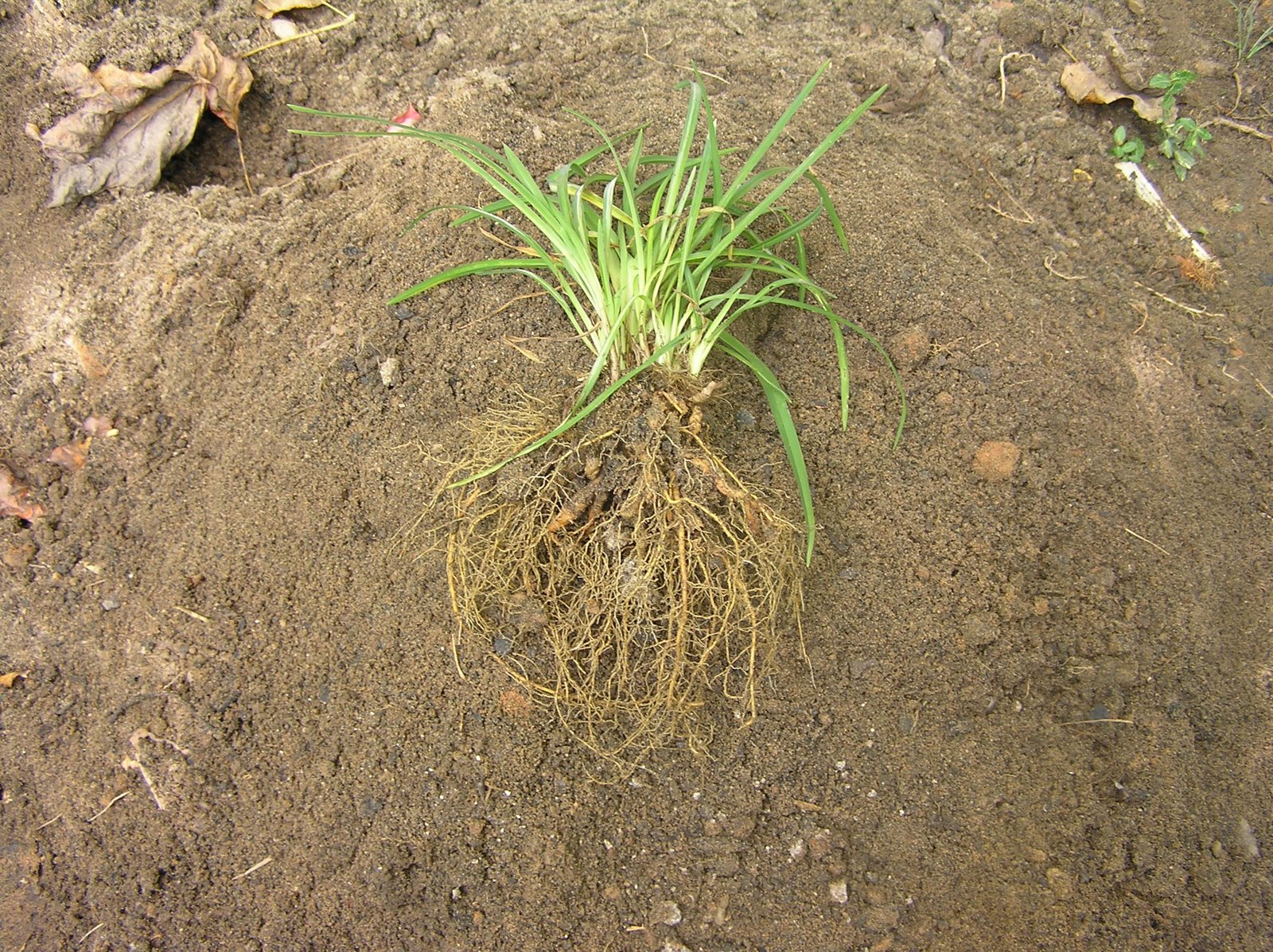
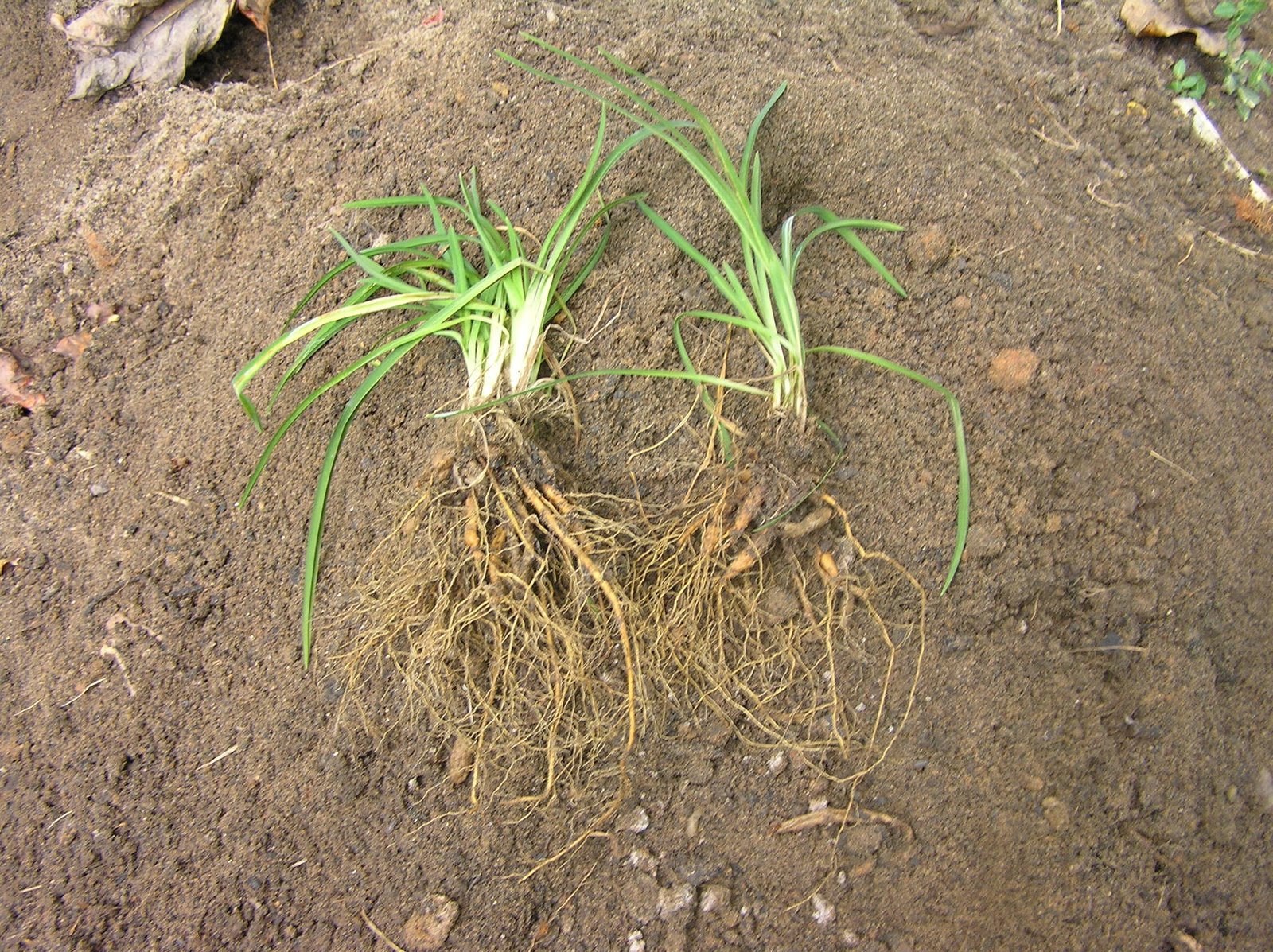
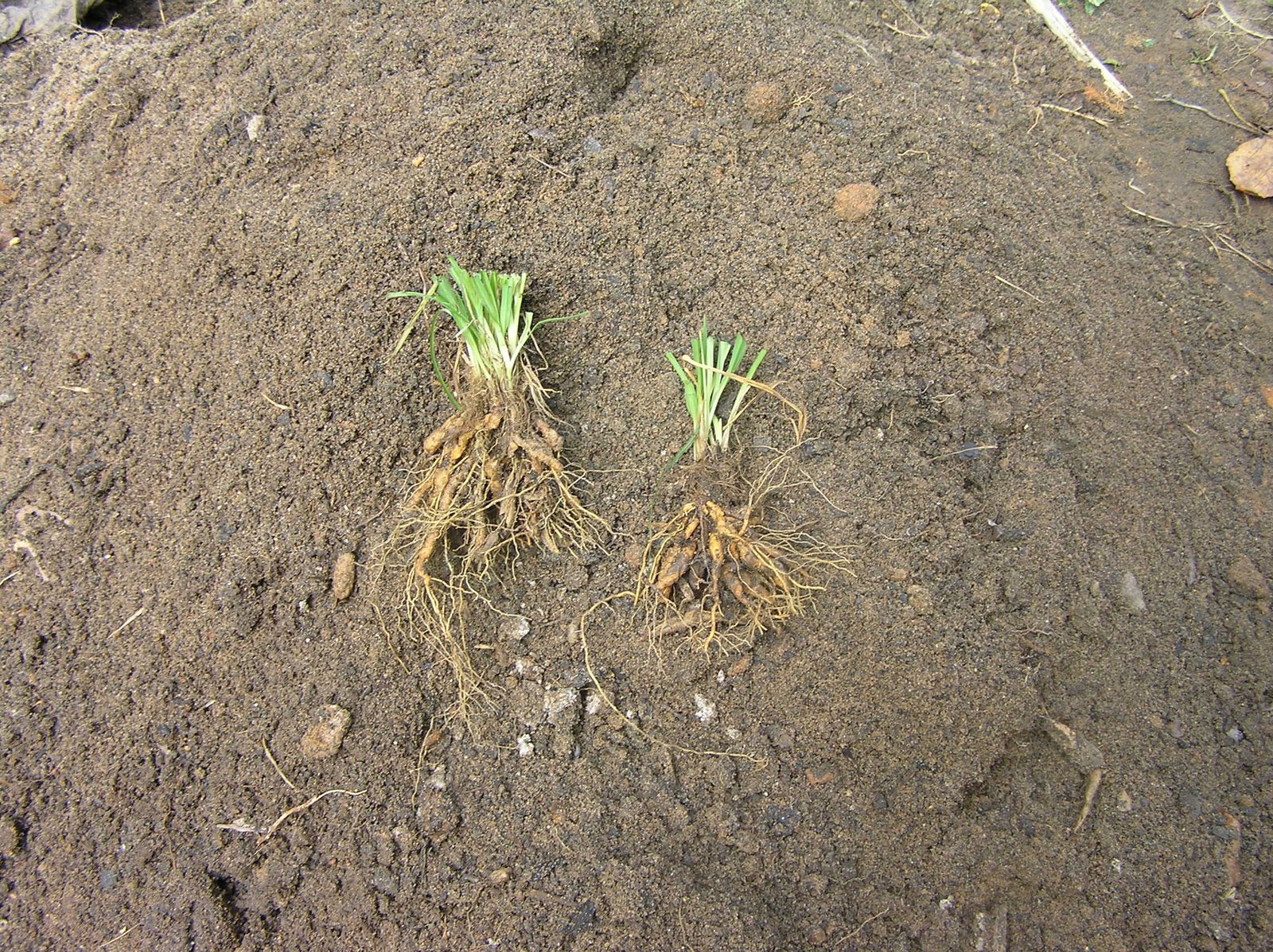
Next up to propagating perennials are Coneflowers, Echinacea, don’t try eating the roots to prevent colds, which are long lasting bloomers in late summer standing 12-18" tall. I prefer the pinks or purples over the whites, because that could be confused with a daisy. They are easy to divide and enjoy full sun and well drained soil in the landscape garden bed. Actually all perennials favor well drained soil to perform up to expectations. Unlike the Bearded Iris the rhizomes of the Coneflowers are spread out so if you want to propagate just one or two plants that can be easily accomplished whereas with the Iris you must dig carefully just to replant one or two corms. Coneflowers are the first plant to let you know when they need water after propagation because the plant roots have grown spread quickly and are shown in the photo. It is also necessary when potting or planting that the soil is tamped down, compacted, so it forces all the air out of the soil before watering. Do this with the handle of the trowel when potting or the shovel handle when planting in the landscape garden bed. If air is allowed in the perennial plant roots will dry out fast and all your effort would have been in vain.

Sunday, November 25, 2007

Beared Iris

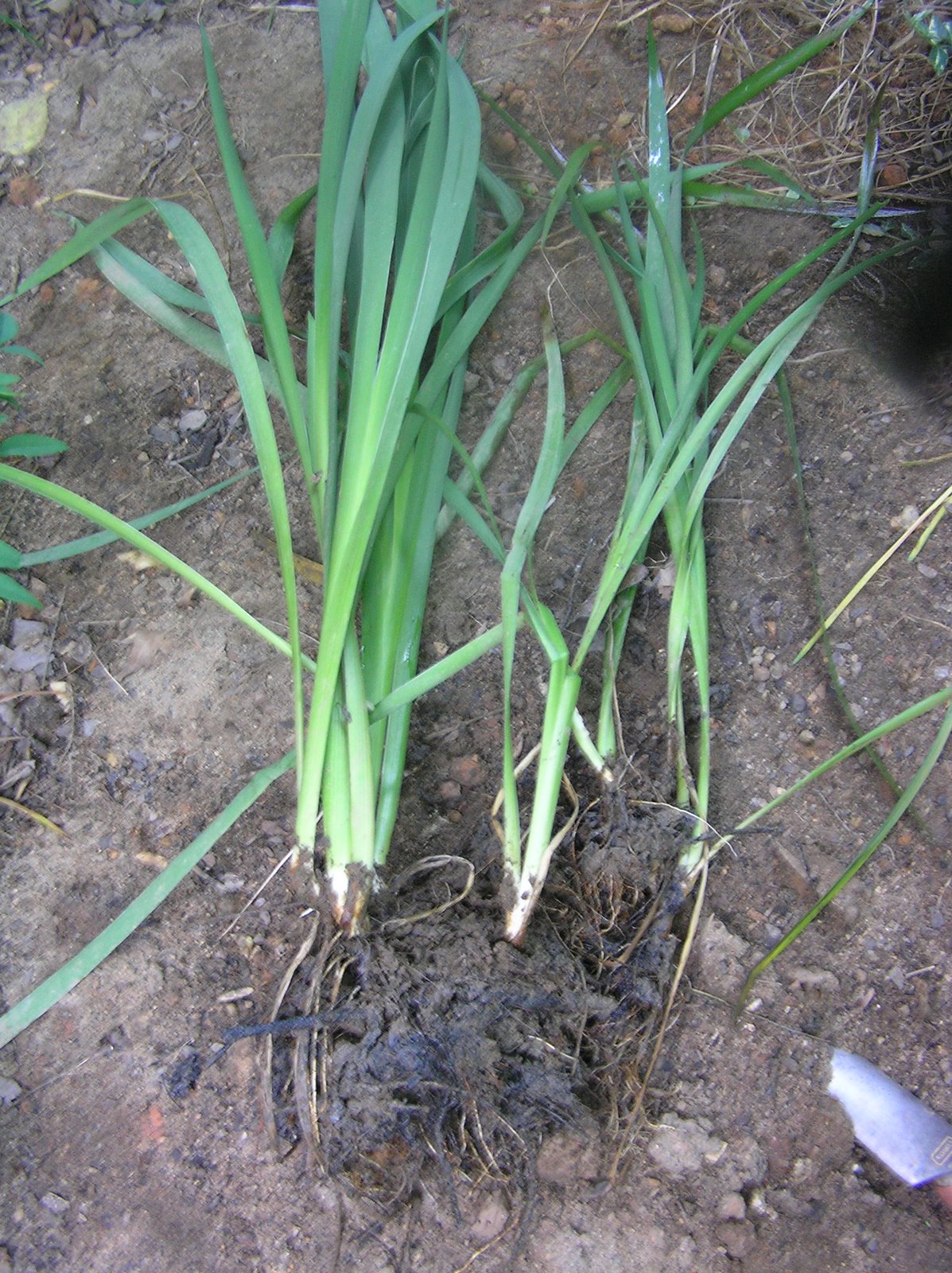
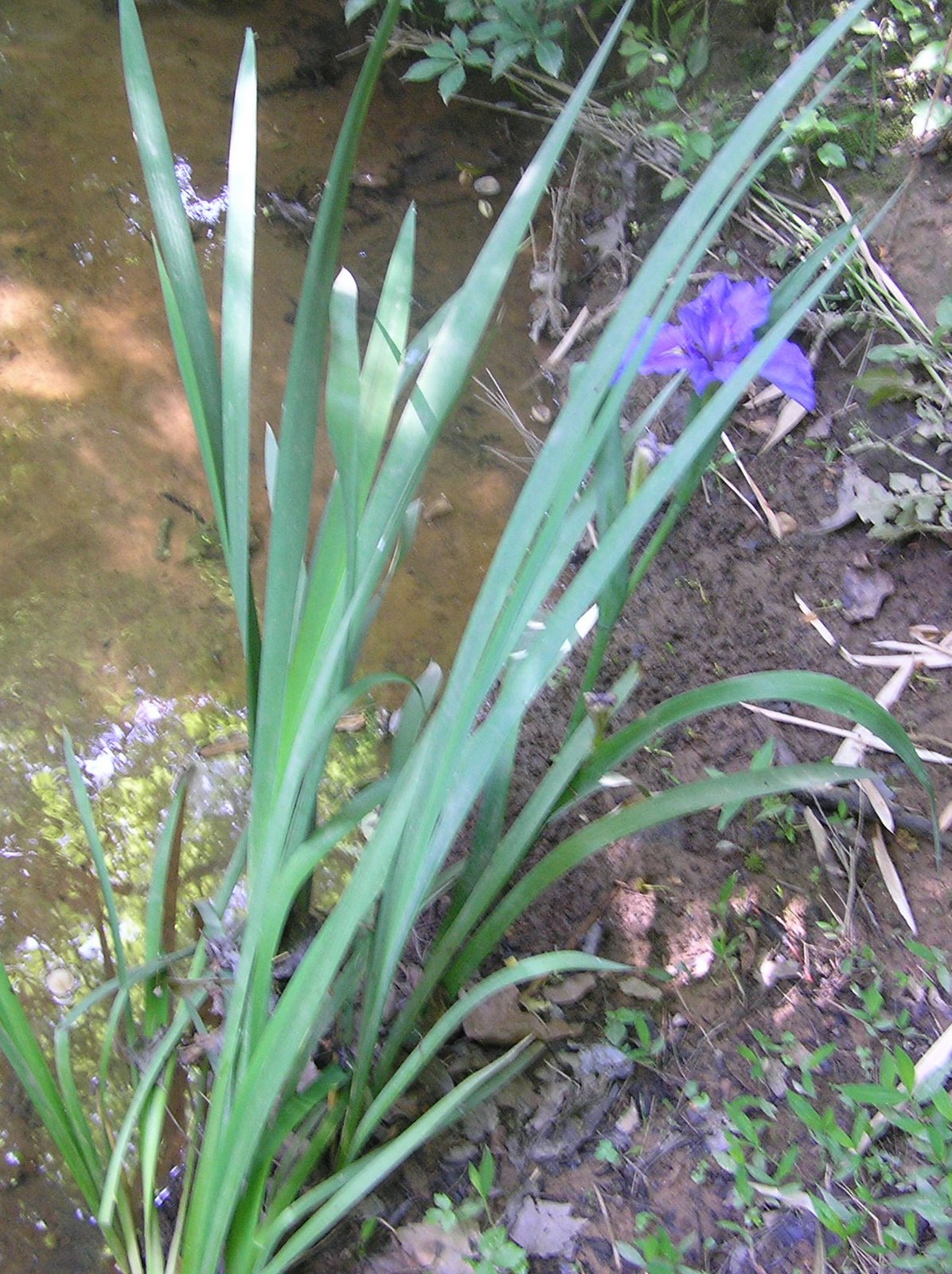
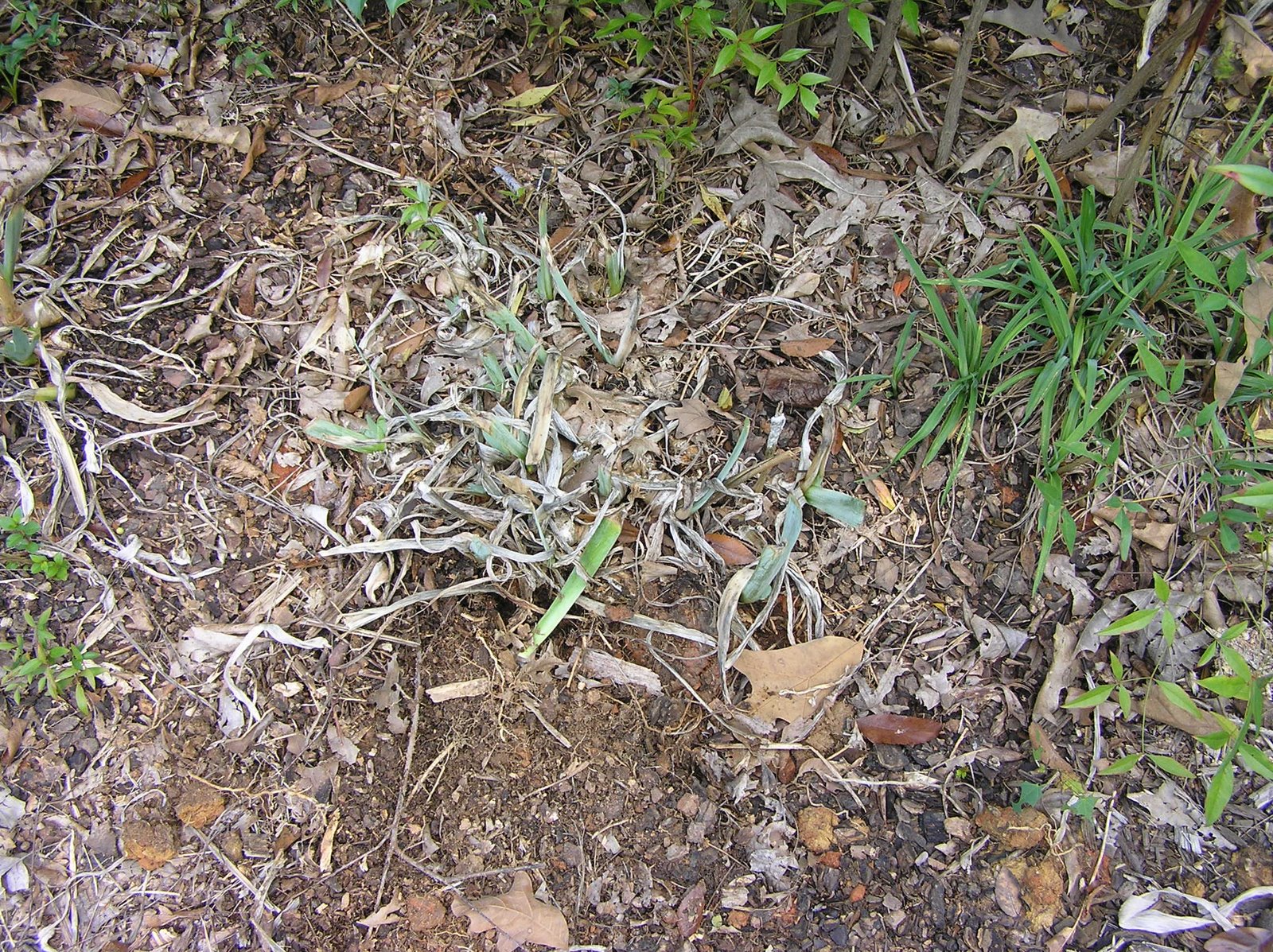
Bearded Iris, whether tall, medium, or dwarf propagation by division takes a bit more care, because the top of the corm must be above the top of the soil when re-planted in a container. As you can see by the photo Iris tends to bunch together during it growing period so dividing it can be tough so be certain that your pot has at least one green leaf shoot. Since Iris generally is the first perennial to bloom in spring you should have many plants spotted throughout the landscape garden and hope it doesn’t rain that often, because it messes with the blooms. The color range of Bearded Iris almost encompasses the full spectrum, but to me black is the standout. Some colors may, because of hybridizing, not take to division as well as some, but do not lose patience. Watering and bone meal are the two most important factors in propagating perennials successfully for the landscape garden bed.

Friday, November 23, 2007

Off Topic.

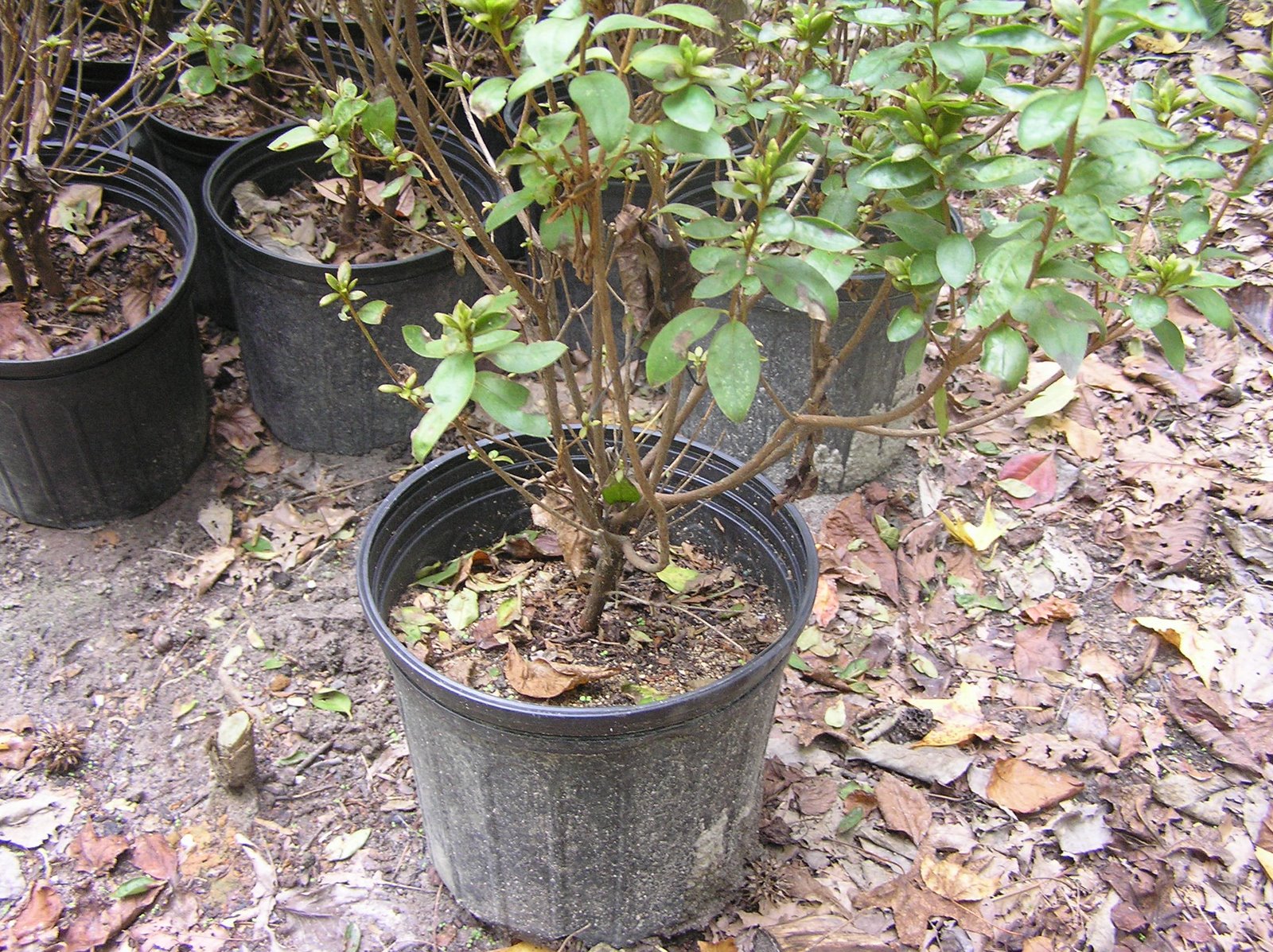
Since most homeowners do not have a sprinkler system, watering especially in the summer when there is a drought, chances are great some plants will die, depending upon the extent of your landscape garden, no matter how good you mulch. Especially evergreens. What I did two springs ago was to go to purchase one gallon azaleas at a big box store and repotted them into a three gallon containers. I pinched back the flower buds so the growth would go into the plant, not into flowering and two growing seasons later I have a mature plant that sell for five times as much in garden centers. I plant the mature azalea, and since the roots have grown they have a better opportunity to absorb moisture and a greater chance to survive in a drought. Besides if you raise plant material you will focus on watering your “babies” in a controlled setting when some parts of your landscaping might suffer.
 
http://www.blogcatalog.com/directory/home_and_garden/gardening

web site counter
South Beach Diet