Gardening  Blogs - BlogCatalog Blog Directory
propagating perennials
Undergoing MyBlogLog Verification

Wednesday, May 4, 2011

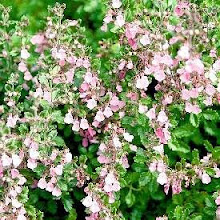
Tradescantia pallida-Purple Heart or Purple Wandering Jew

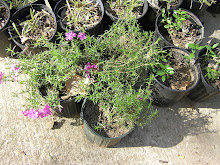
Propagating Purple Heart is simple. Break off a brittle stem section and make certain the leaf nodule is planted under the surface of the sand and it should root easily with watering. They are easy to transplant as well. They can be invasive in Zones 8-10. A native of Mexico. As some of you know wandering jew can be found in hanging baskets inside the home. Its flowers are pink and bloom year round in the right climate. It will reach a height of 12" and prefers full sun but will also accept partial shade.

Wednesday, April 27, 2011

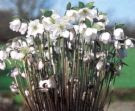
Saururus cernuus-Lizard’s Tail

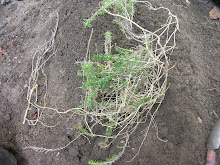
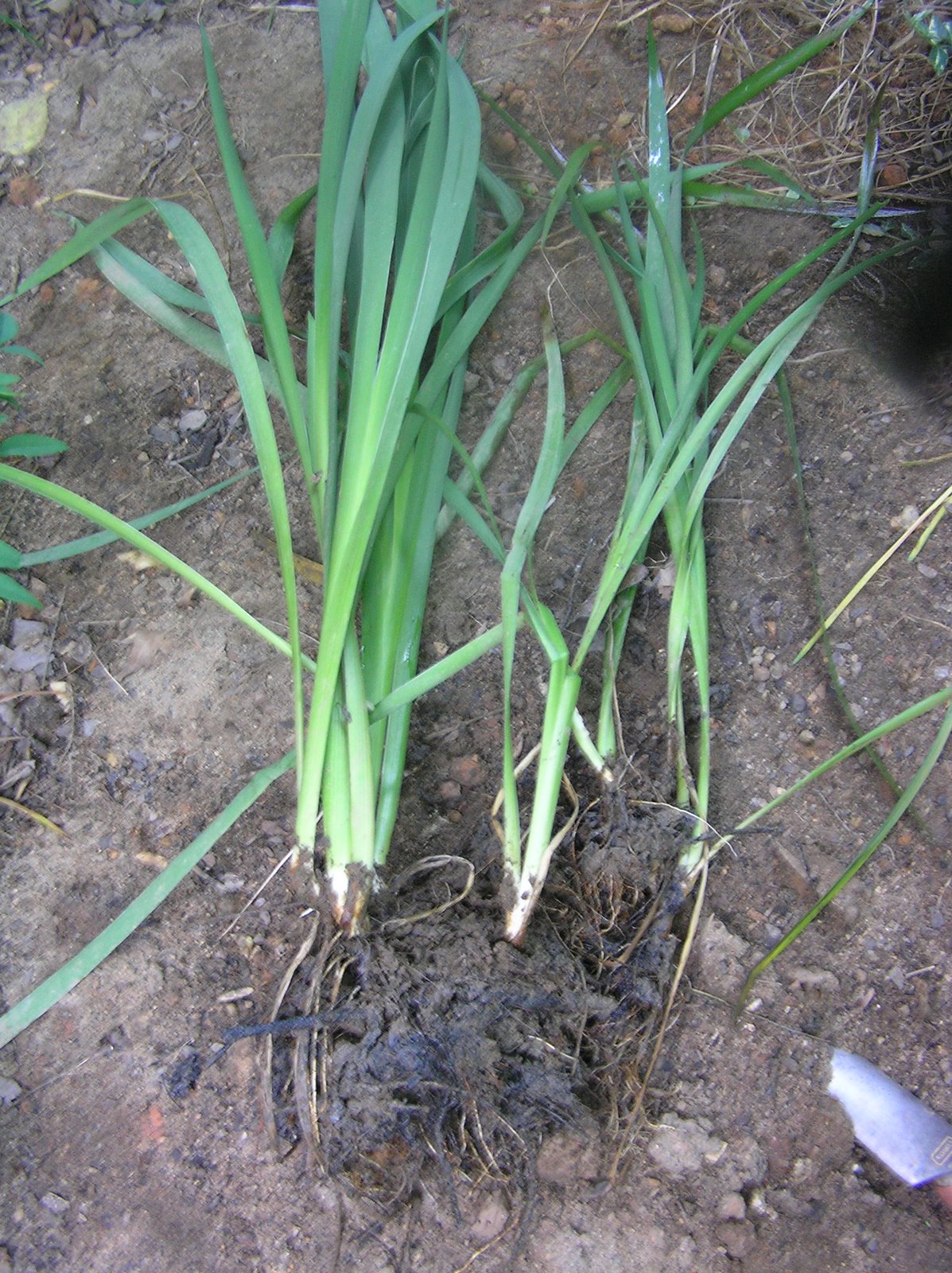
Propagating Lizard’s Tail and be accomplished in the spring by dividing the root clump, however be aware it can be an aggressive grower in the right setting so planting in a container can stem the spread if necessary. It is a bog/pond perennial and is sometimes used in aquariums but does not flower in tanks, and it is native to North America and hardy in Zones 5-11. Its flower is white and blooms from mid summer to mid fall and attains a height on 18-36". Birds love the nectar and it is deer resistant and will do well in either shade or full sun.

Wednesday, April 20, 2011

Lathyrus latifolius-Everlasting Sweet Pea

There is no need to propagate perennial sweet pea because some considerate invasive if you don’t deadhead because each plant will drop 100 seeds in a growing season so this is best planted away from your intricate gardens or used to cover slopes. It also could be used as a screen instead of buying expensive woody plants and allow it to attach to chicken wire. It is not fragrant but comes in shades of red, pink, mauve, purple and white and blooms throughout the summer and into early fall, but it will attract butterflies. It is in the bean family so its tendrils will reach upwards of 6 feet and beyond, will tolerate drought, and will rot in winter if the soil is too moist. It should be cut back to the ground in the fall. It is native to Europe, deer will not munch, and hardy in Zones 3-9.

Wednesday, April 13, 2011

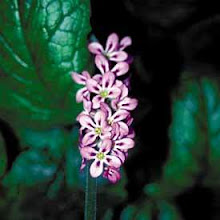
Cypripedium reginae-Lady’s Slipper Orchid

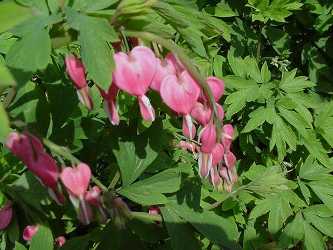
Propagating Lady’s Slipper Orchid takes patience and digging it up from its natural habitat is prohibited. It is a native to North America and is the state flower of New Hampshire and is hardy from Zones 3-8 but in warmer zones it prefers cooler areas similar to ferns with acidic type soil. Its height can reach 2-3' and blooms from late spring to early summer and blooms are a light pink to white. It’s growth spreads by rhizomes and propagating them isn’t hard but they take a while to mature and it is best done either in the spring or fall but don’t expect flowers until the second year.

Wednesday, April 6, 2011

Eucomis “Oakhurst”-Purple Pineapple Lily

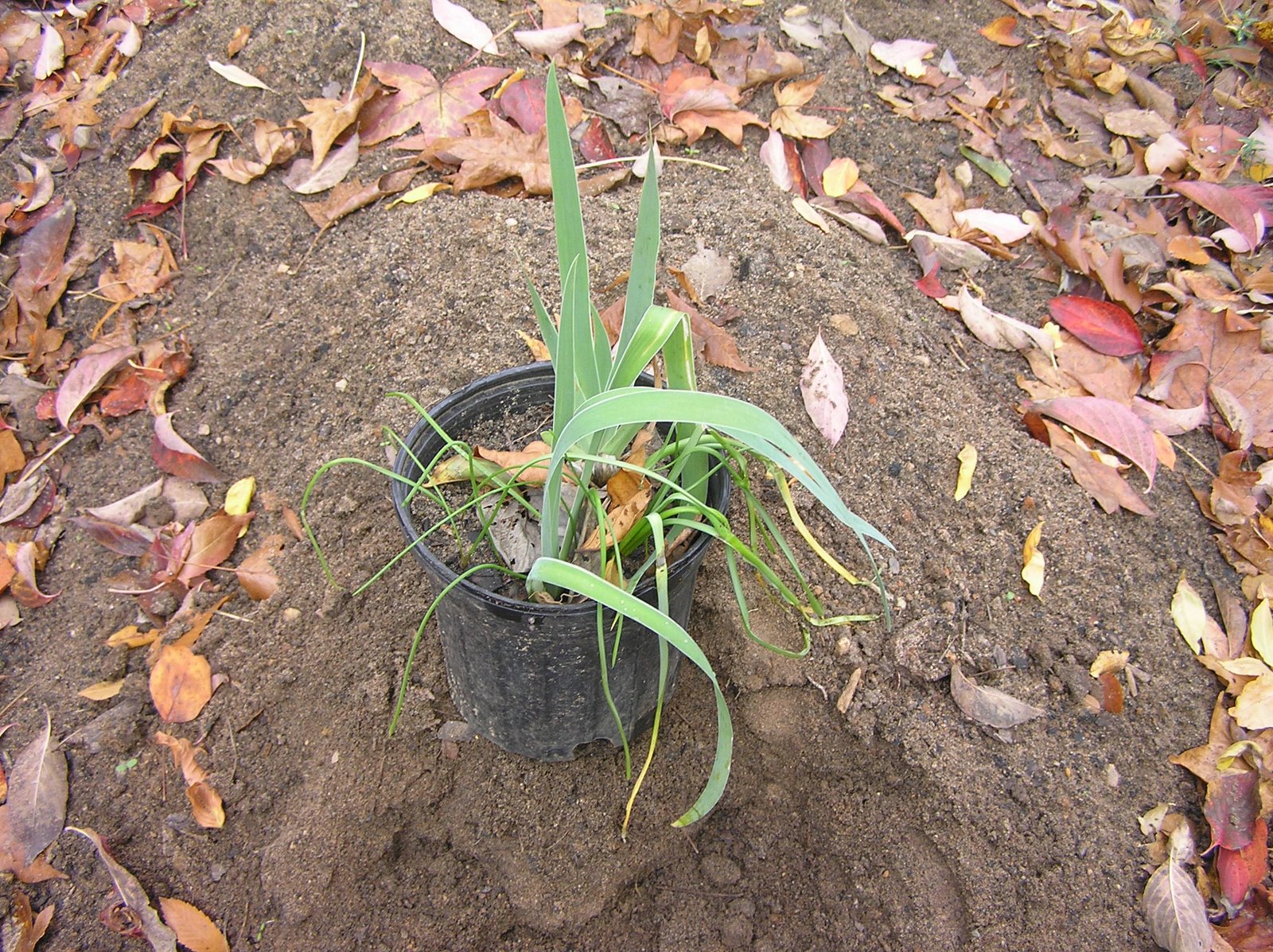
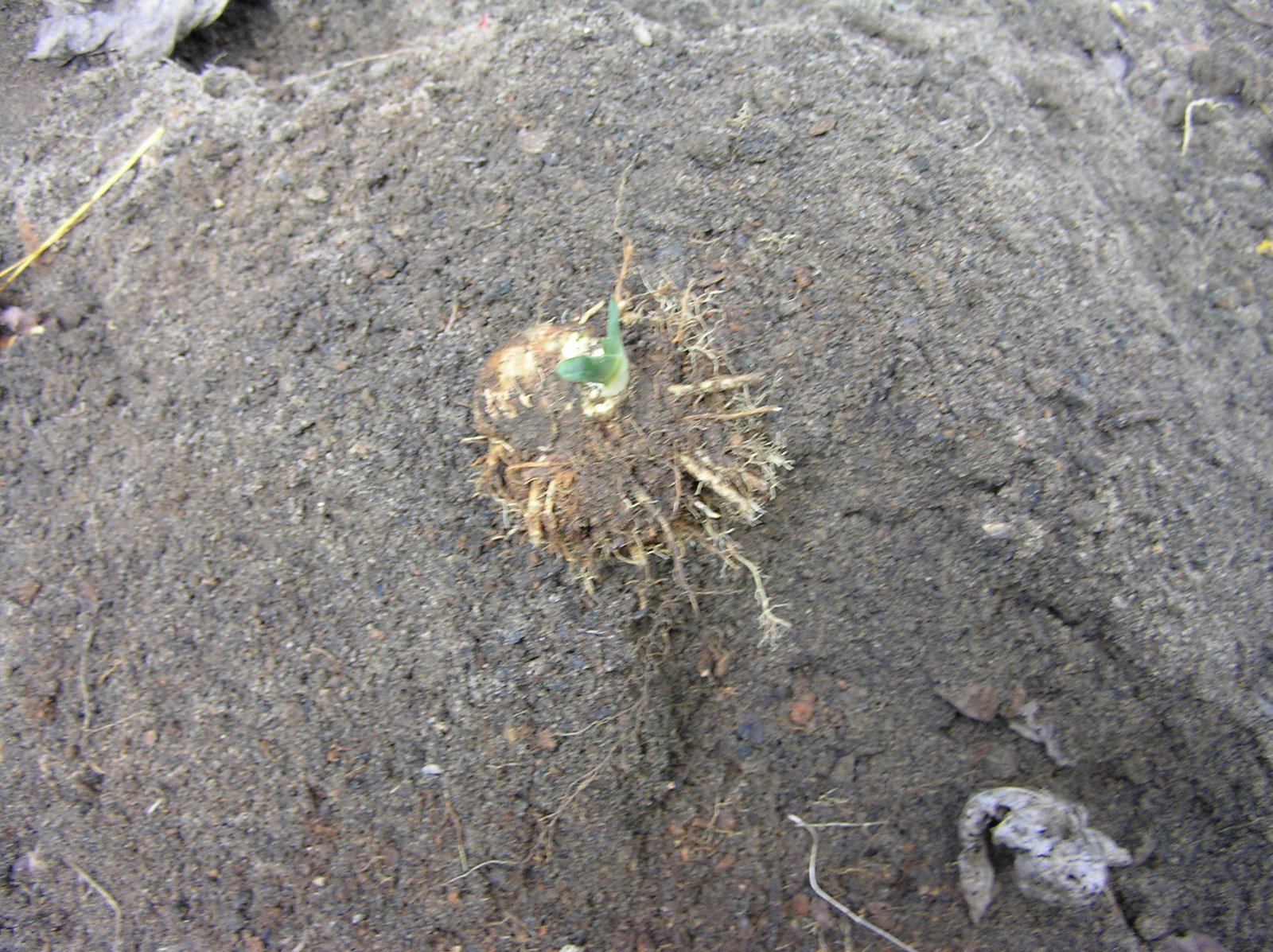
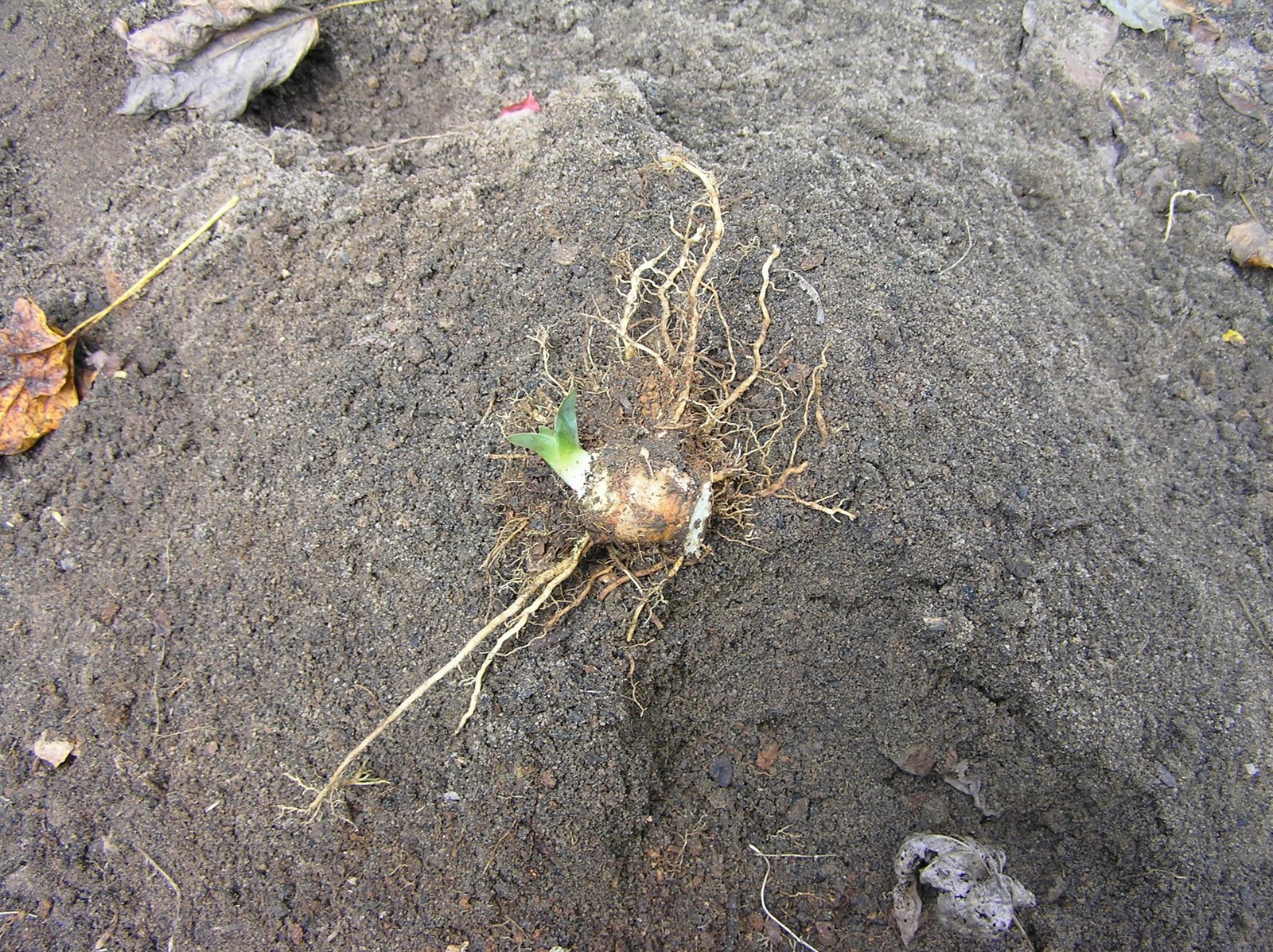
Propagating Pineapple Lily should be accomplished in the spring and only every two years, because you need a mature bilbet before it reproduces and after slicing off the bulbet from the main bulb use powered sulphur to seal the slice to prevent rot. You can also divide the main bulb into 4 pieces. Pineapple Lily is native to S. Africa so it is only hardy in Zones 8-10. Butterflies and Hummingbirds love the flowers nectar which blooms from late summer until early fall. It is a member of the Hyacinth family. The flower color will range from a deep pink to purple and will reach a height of 24-30". It prefers a sandy loam amended soil that is moist but not wet.

Eucomis “Oakhurst”-Purple Pineapple Lily

Propagating Pineapple Lily should be accomplished in the spring and only every two years, because you need a mature bilbet before it reproduces and after slicing off the bulbet from the main bulb use powered sulphur to seal the slice to prevent rot. You can also divide the main bulb into 4 pieces. Pineapple Lily is native to S. Africa so it is only hardy in Zones 8-10. Butterflies and Hummingbirds love the flowers nectar which blooms from late summer until early fall. It is a member of the Hyacinth family. The flower color will range from a deep pink to purple and will reach a height of 24-30". It prefers a sandy loam amended soil that is moist but not wet.

Wednesday, March 30, 2011

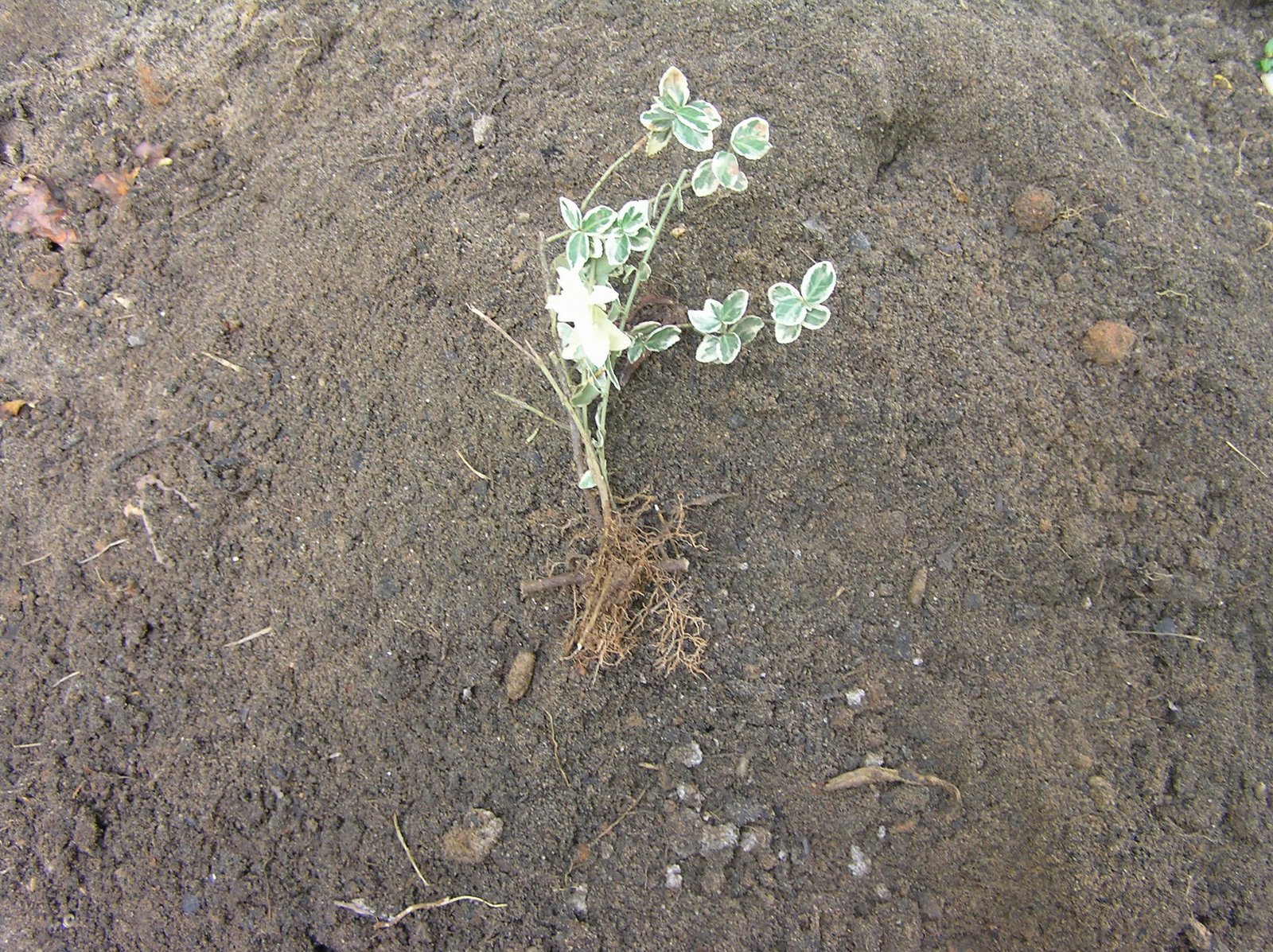
Alstroemeria psittacina “Royal Star”-Variegated Parrot Feather

Before propagating Parrot Feather you should know that it is POISONOUS and TOXIC but it can be divided in the spring, it has fleshy roots and is a great cut flower so wear gloves when near the plant. It grows up to 36" and flowers through the summer into the fall. Its flowers are unusual because they are green and red finged with maroon and its leaves are variegated with white borders. It tolerates heat and humidity for Zones 7-9. Native to Mexico and Brazil.
 
http://www.blogcatalog.com/directory/home_and_garden/gardening

web site counter
South Beach Diet