Gardening  Blogs - BlogCatalog Blog Directory
propagating perennials
Undergoing MyBlogLog Verification

Thursday, October 9, 2008

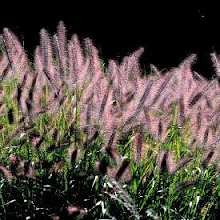
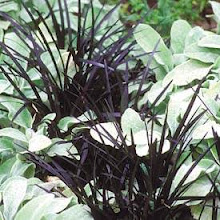
Pennisetum-Fountain Grass, Pearl Millet

Propagating Pennisetum or Fountain Grass is done in the spring by digging up the clump, dividing the plant and then transplanting. Be aware to cut back the stalks in the fall to 12" above ground, because it can be a prolific self seeder. It is a perennial in Zones 8-10, an annual anywhere else. It will take salt spray and drought, prefers full sun in a well draining soil. It reaches a height of 36" but there is a variety, “Piglet” that grows to 18". It will bloom in late summer and depending upon variety, either silver or burgundy color, to early fall and is deer resistant. Different varieties have different colored leaves, green, cream and purple.

Wednesday, October 8, 2008

Parthenocissus-Virginia Creeper

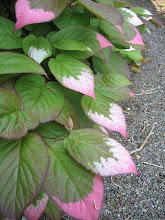
Propagating Parthenocissus or Virginia Creeper is simple because it is self layering so just prune off a section that has rooted and transplant. Be aware do not plant around wood because it will raise havoc. Stone is fine. Unfortunately it does well in any type of soil , better if moist, either sun or shade and it is deciduous. Its white flowers are inconspicious in late summer which form blue berries in the fall that birds enjoy and use the plant as shelter. Its leaves turn red in the fall.

Tuesday, October 7, 2008

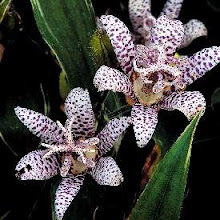
Pardancanda-Candy Lily

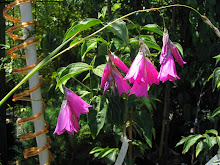
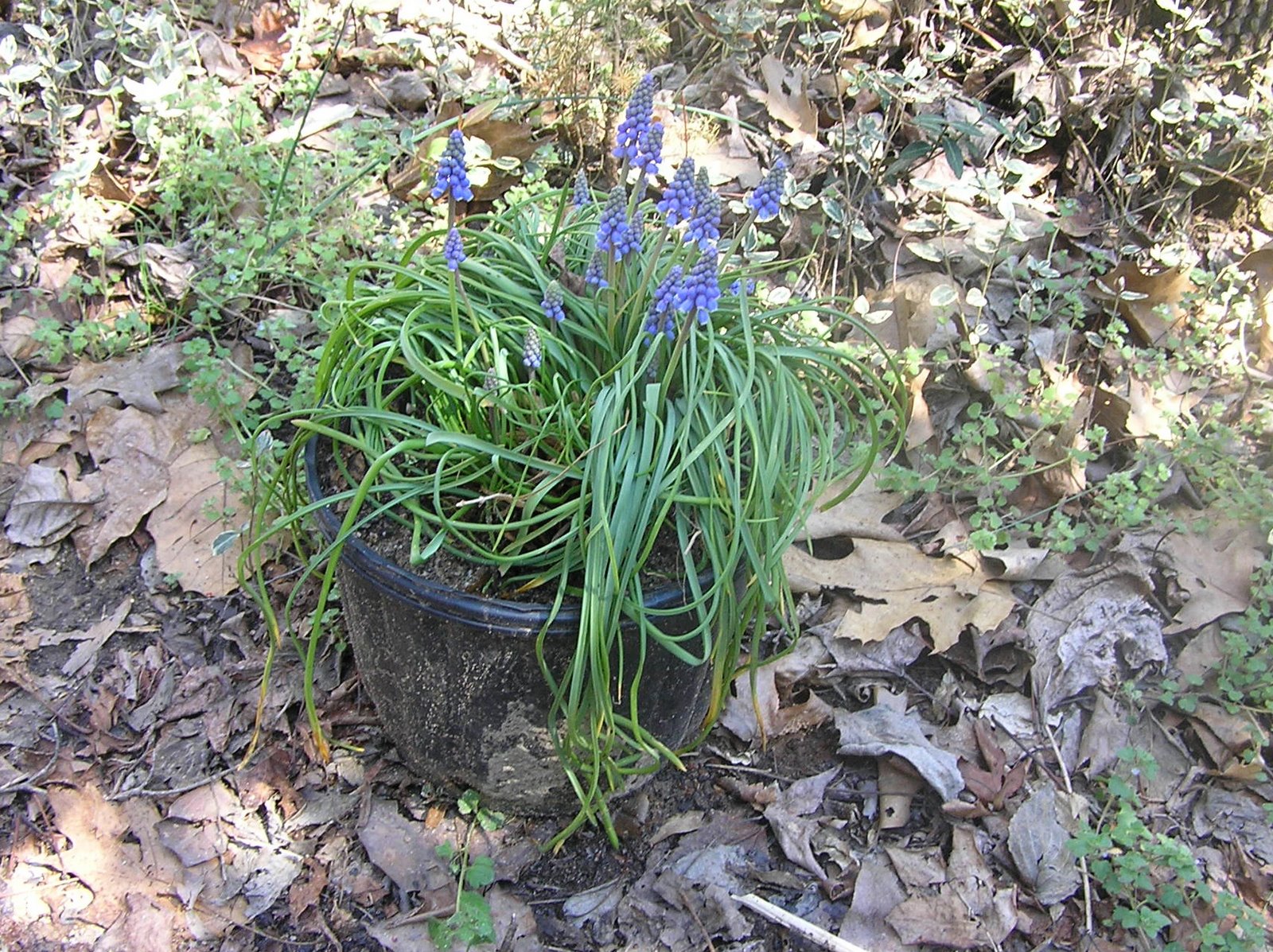
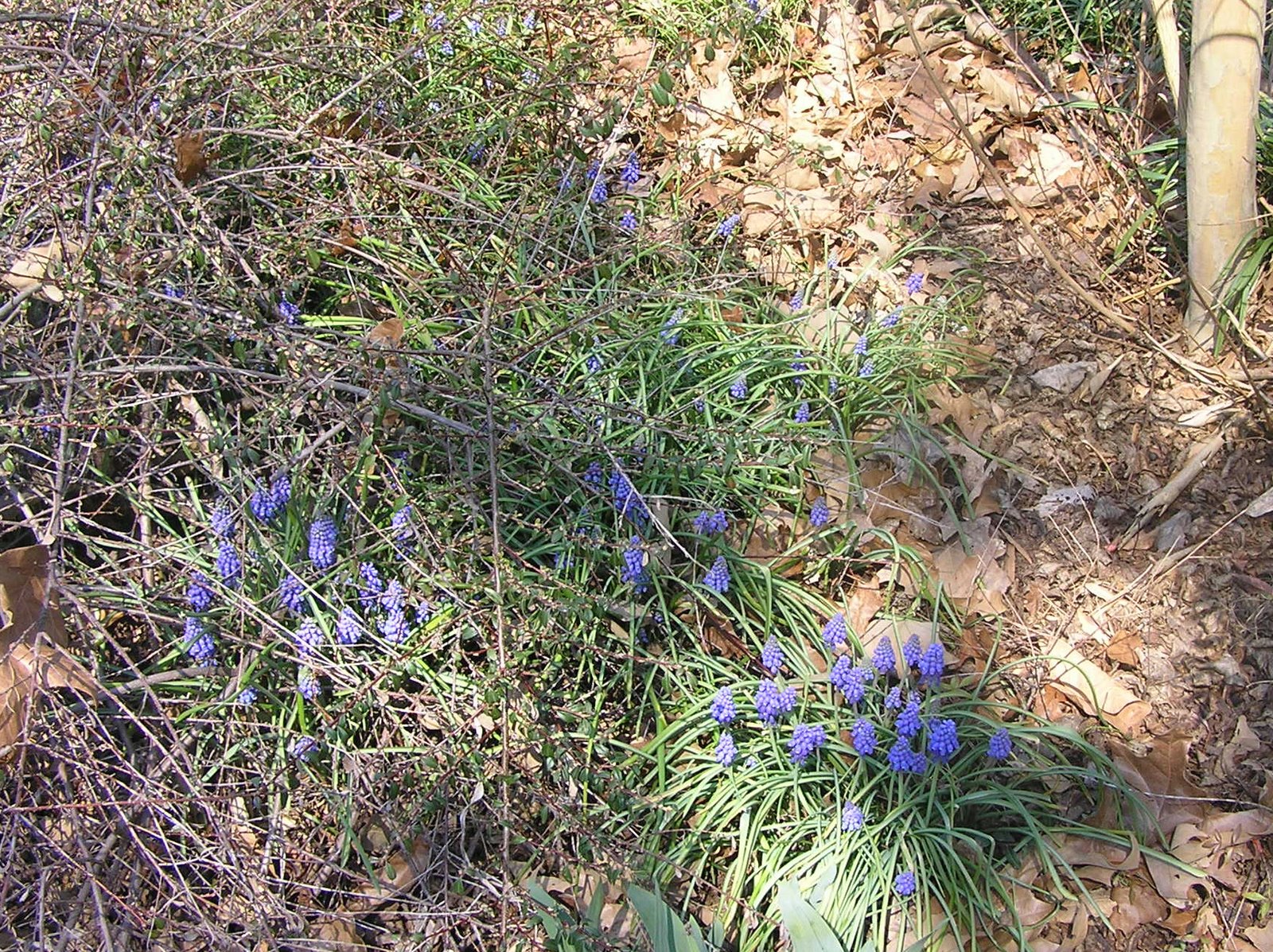
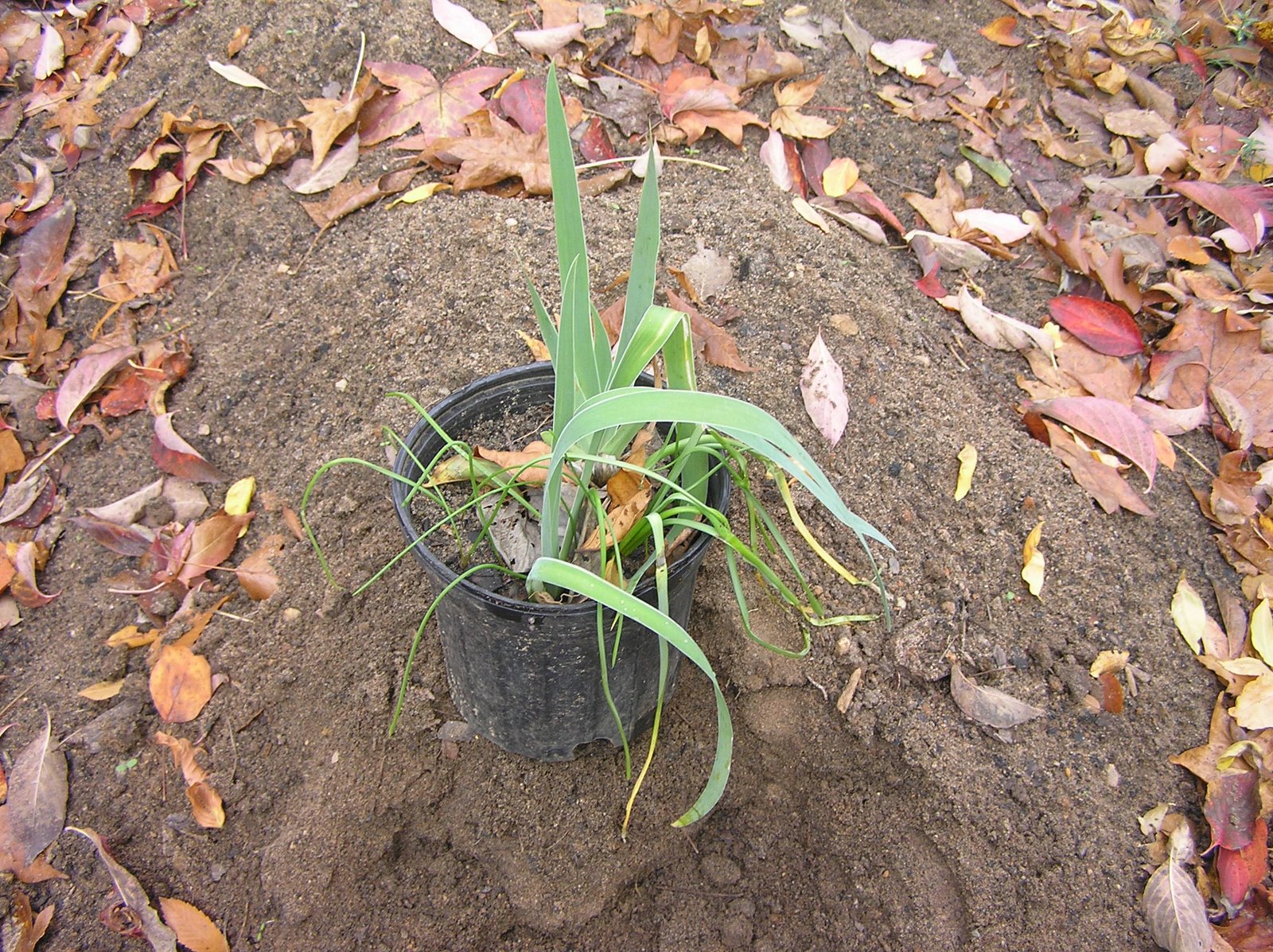
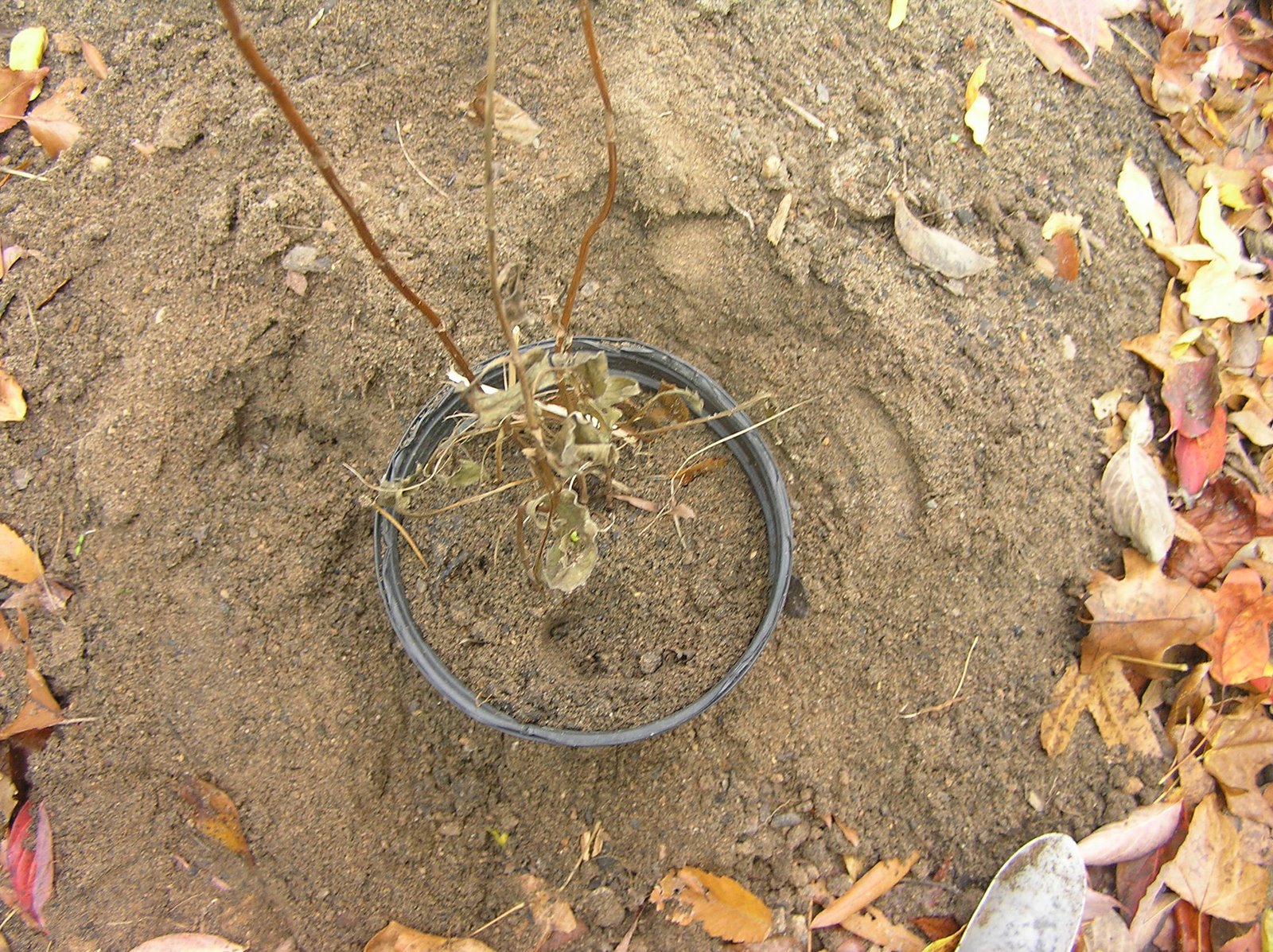
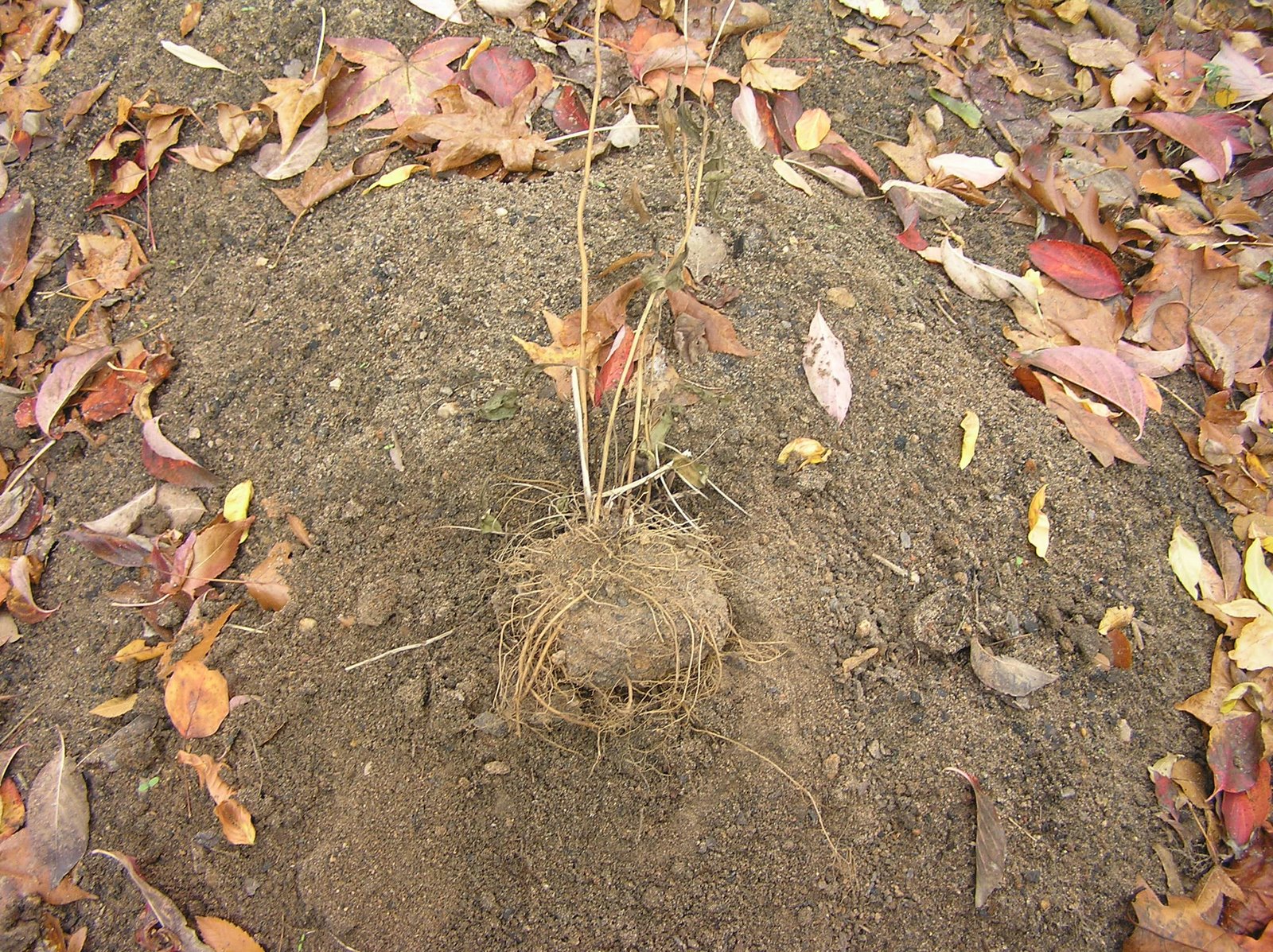
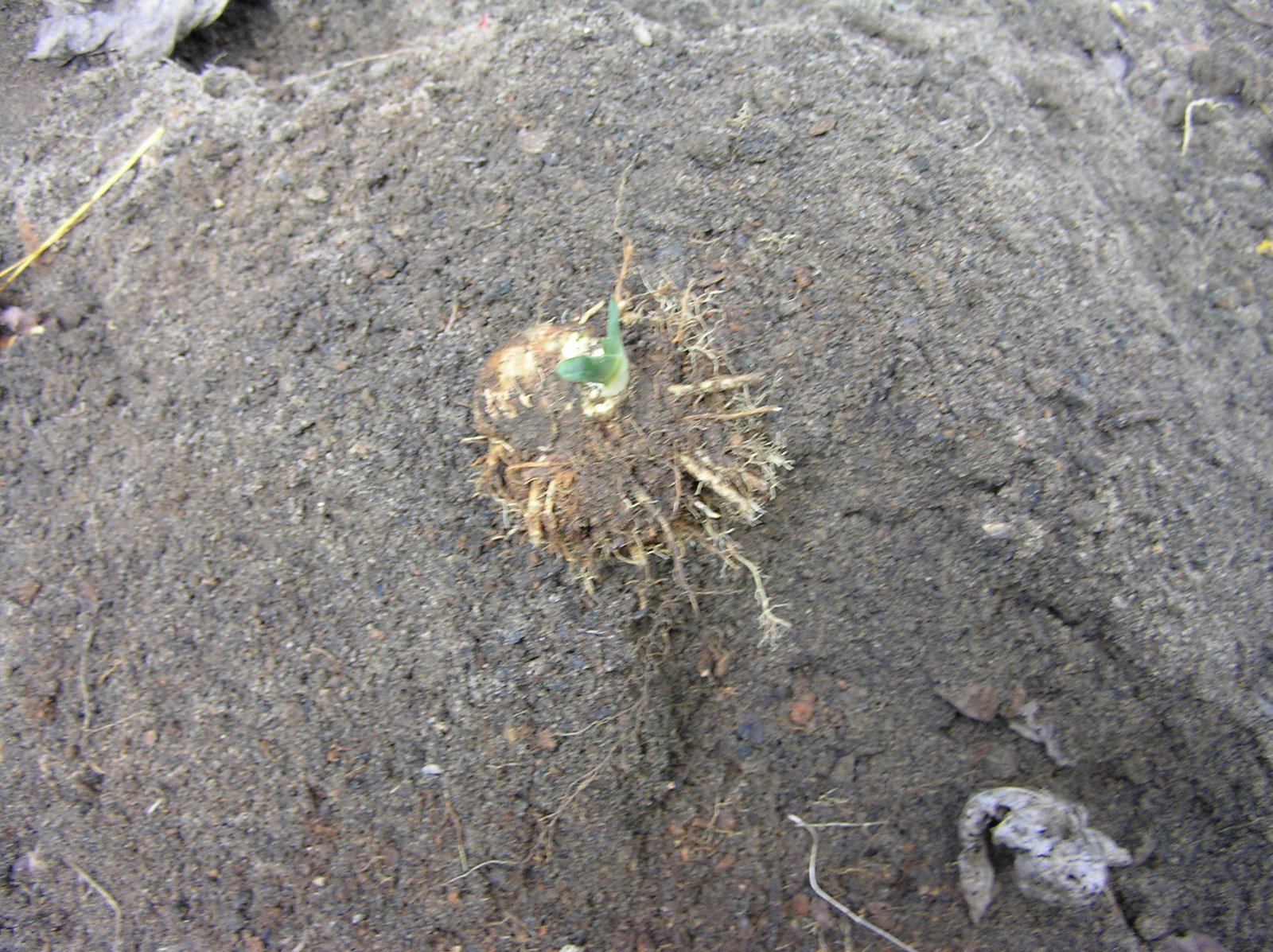
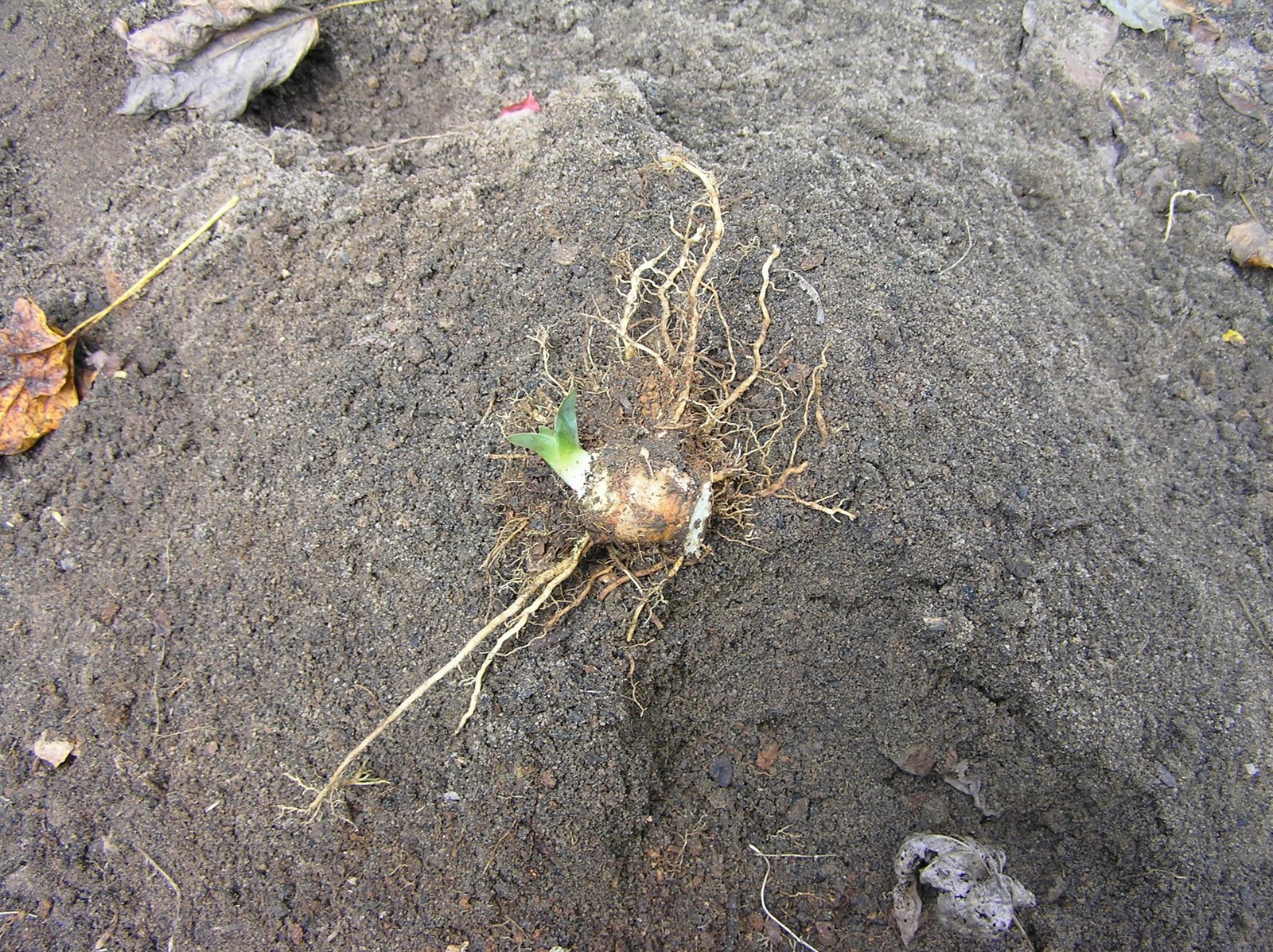
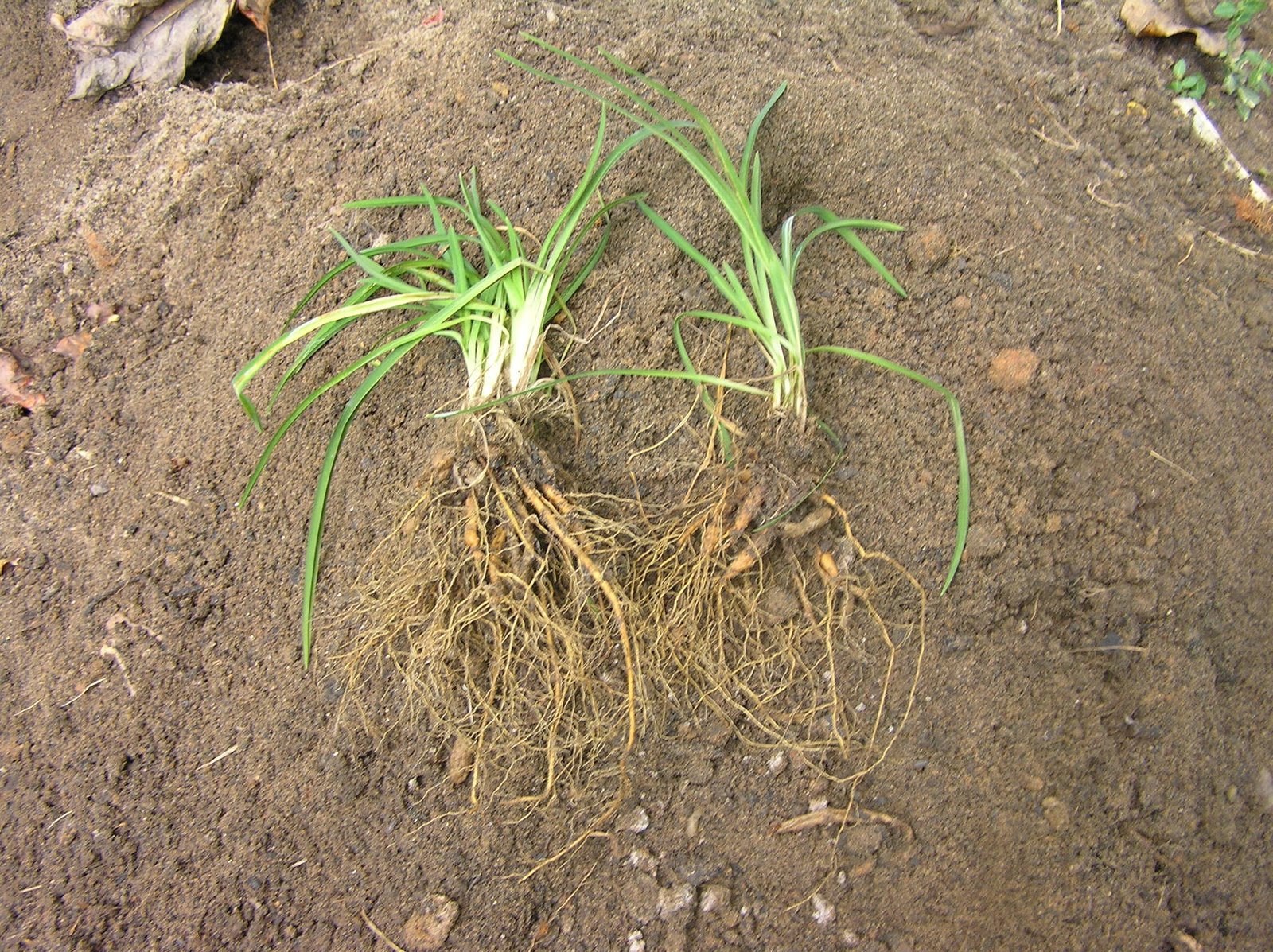
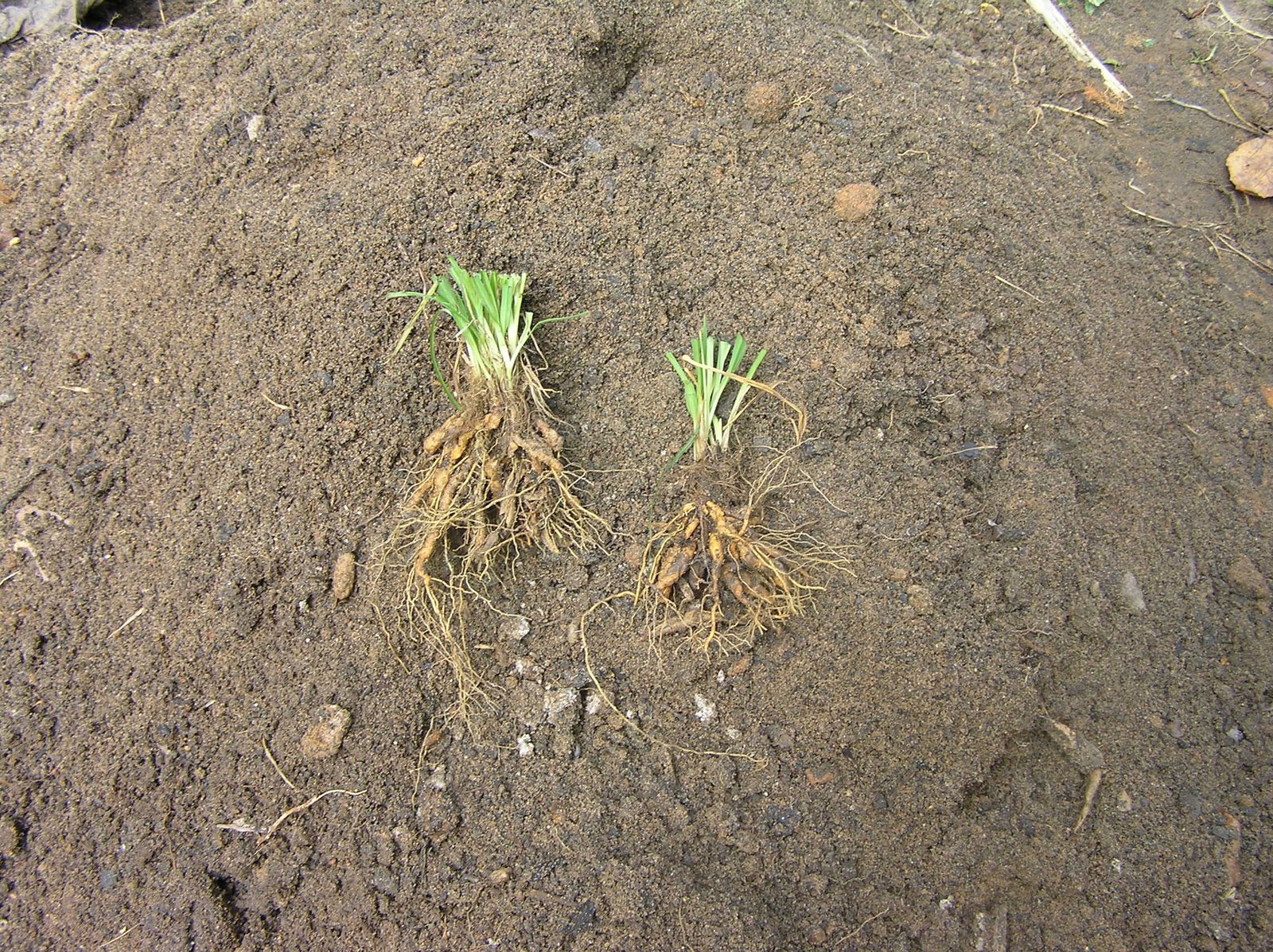
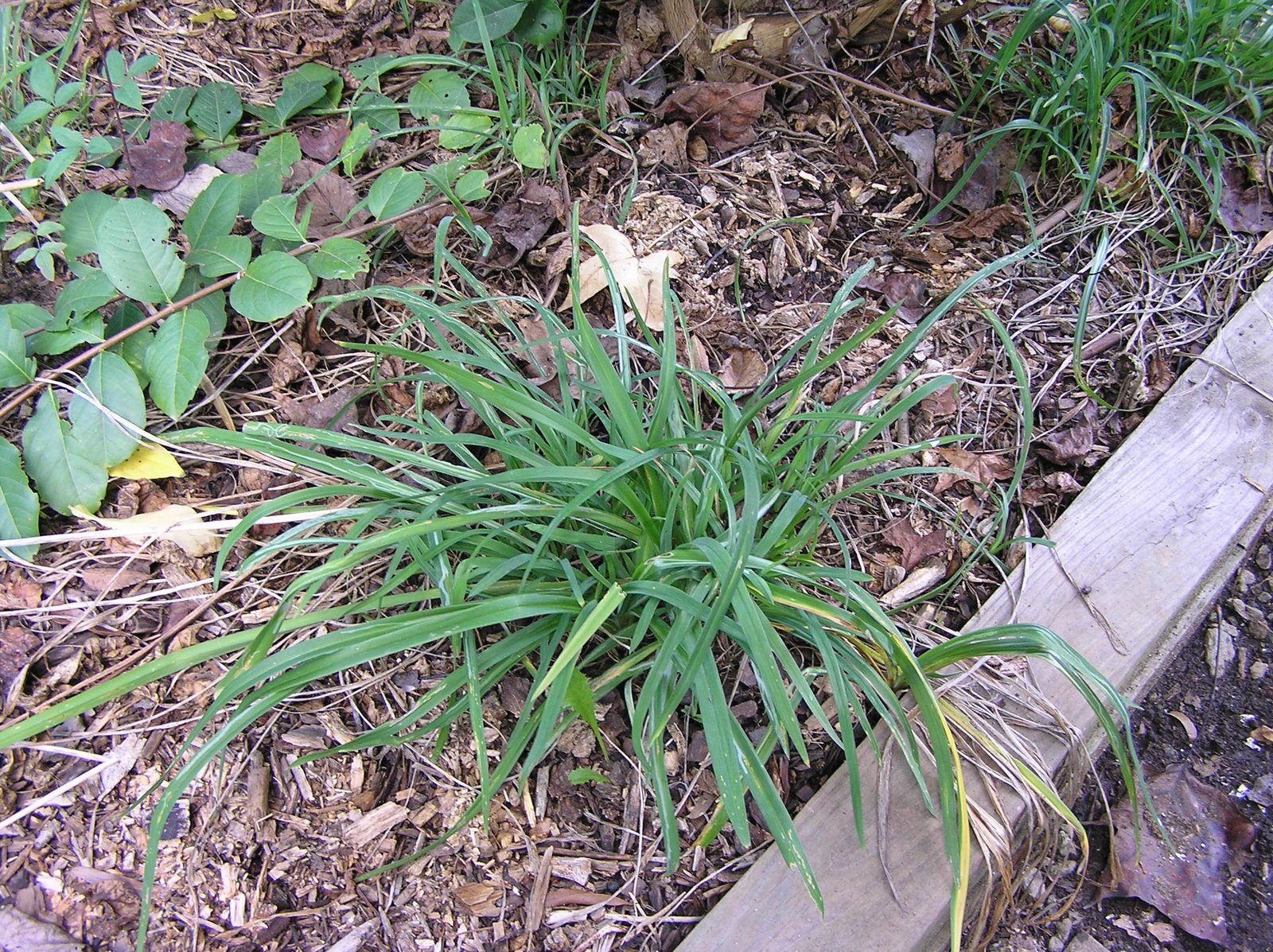
Propagating Pardancanda or Candy Lily can be done in the spring, they are in the Iris family with Iris like leaves, by dividing the rhizomes. Candy Lily prefers a well draining sandy soil in either full sun or mostly sun, will reach a height of 3', and will tolerate drought. It is an evergreen like Iris, and blooms can last upwards of 3 weeks, from July to frost, and colors run from yellow, red, salmon, pink and white, with polka dots and stripes and is a cross between Blackberry Lily and Iris, but smaller blooms than the former. Differing opinions as to deer resistant or not, I guess depending on how much food is available to the browsers, which reminds me, I was at my lot planting bulbs and woody plants over the weekend and noticed a deer nonchalantly crossing the road above my property. I know they like grape hyacinths. Guess I’ll eventually find out how much of a nuisance they will become.

Monday, October 6, 2008

Panicum virgatum-Switch Grass

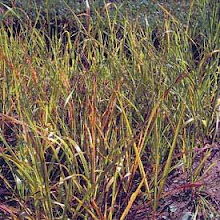
Propagating Panicum or Switch Grass should be done in the spring by digging up the rhizomes that spread from the parent plant, but don’t try breaking apart the parent clump because its roots can grow as deep as 10'. Panicum like Miscanthus, above, is being tested for bio mass however it is not as efficient as storing carbon as Miscanthus. Oddly enough it is deer resistant however it is used for grazing for cows and horse but only in the spring or summer, because it loses efficacy in the fall. It is a warm season perennial and doesn’t start growing leaves until the soil warms past 68 degrees. It is used for erosion control and prefers a sandy acidic loam soil, but will tolerate clay, its flowers are insignificant, bloom July-August, reddish in color, but the birds love the seeds and people who raise quail, pheasant, grouse for hunting plant this perennial because it is used as a nesting place for the wildlife. The average height varies from 3'-6' and different varieties has different colored leaves, ranging from burgundy, lavender-blue, blue and green with red stems which give off various hues in the fall and will tolerate full sun to partial shade.

Friday, October 3, 2008

Origanum hopley’s-Wild Marjoram

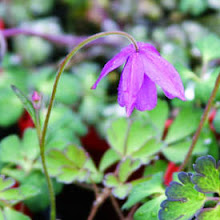
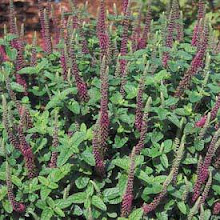
Propagating Origanum hopley’s or Wild Marjoram should be done every 2-3 years because older plants become woody and since the plant spreads by rhizomes it is one of the simplest perennials to multiply for the garden. This particular Oregano has blueish foliage with deep red flowers that blooms throughout the summer and reaches a height of 24". It is also deer resistant and deciduous that will even thrive in poor soil in full sun and attracts butterflies.

Thursday, October 2, 2008

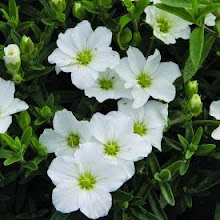
Nierembergia-Cupflower

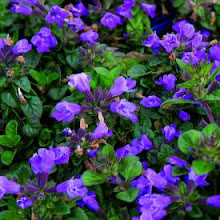
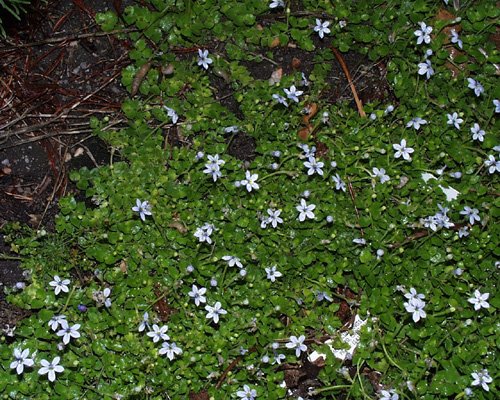
Propagating Nierembergia or Cupflower can only be done by cutting or seeding or layering and are best suited for Zones 8 and up otherwise it is an annual at least in Zones 3,4 & 5. Depending on soil conditions, a well draining soil in full sun, it can be a great self-seeder. It is a distant relative of the petunia, but comes only in white and purple and reaches a height of 3"-6" and in Phoenix will bloom from March until October. Cutting should be taken in the summer and if planting seeds give yourself 12 weeks before the last frost before transplanting outside. It prefers a moist soil but is drought resistant which is odd. Cupflowers are hummingbird magnets. A better alternative then petunias.

Wednesday, October 1, 2008

Minuartia verna-Irish Moss, Leadwort

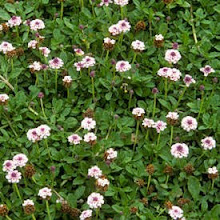
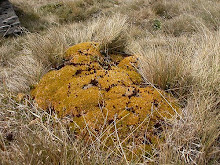
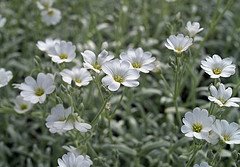
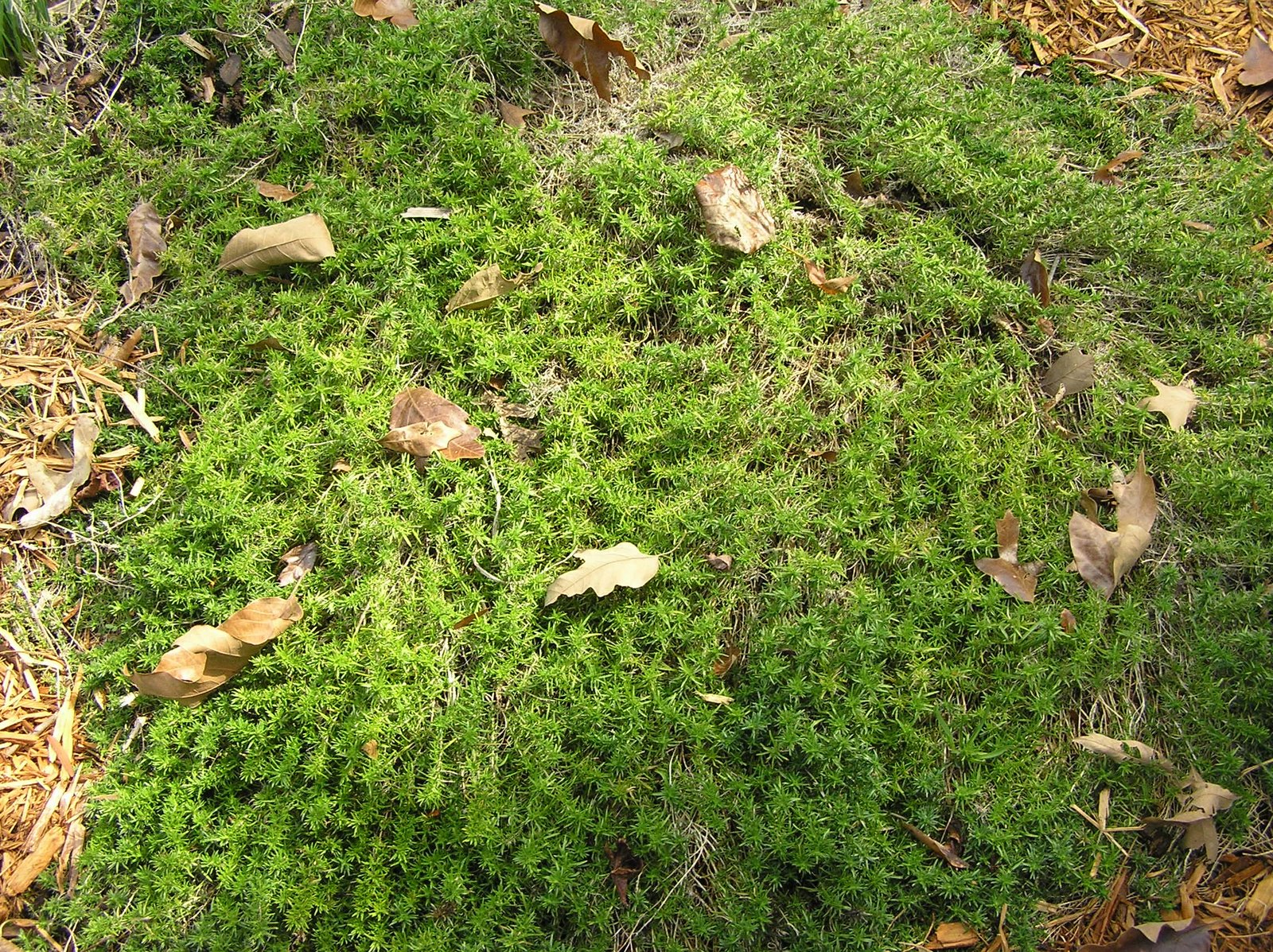
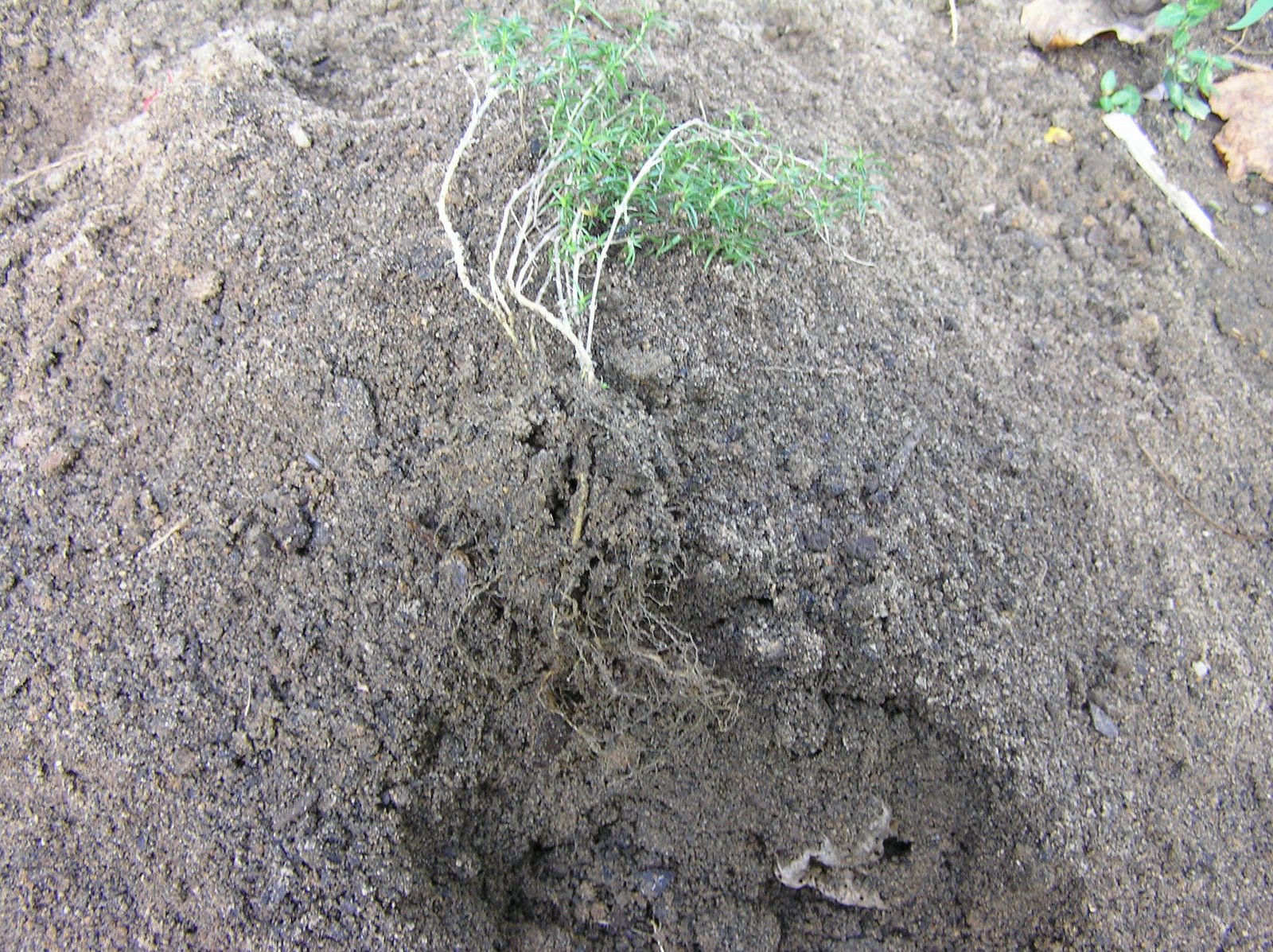
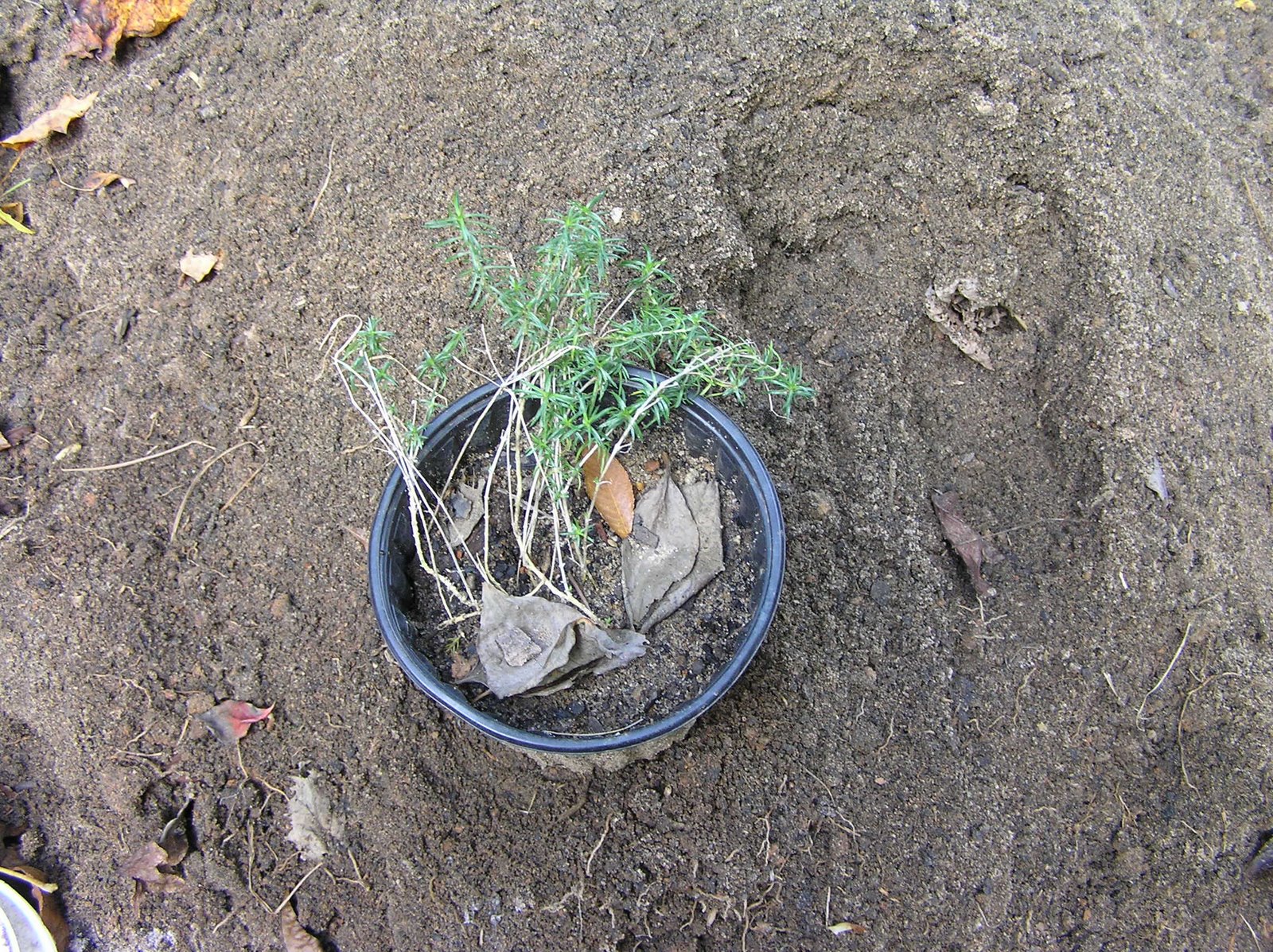
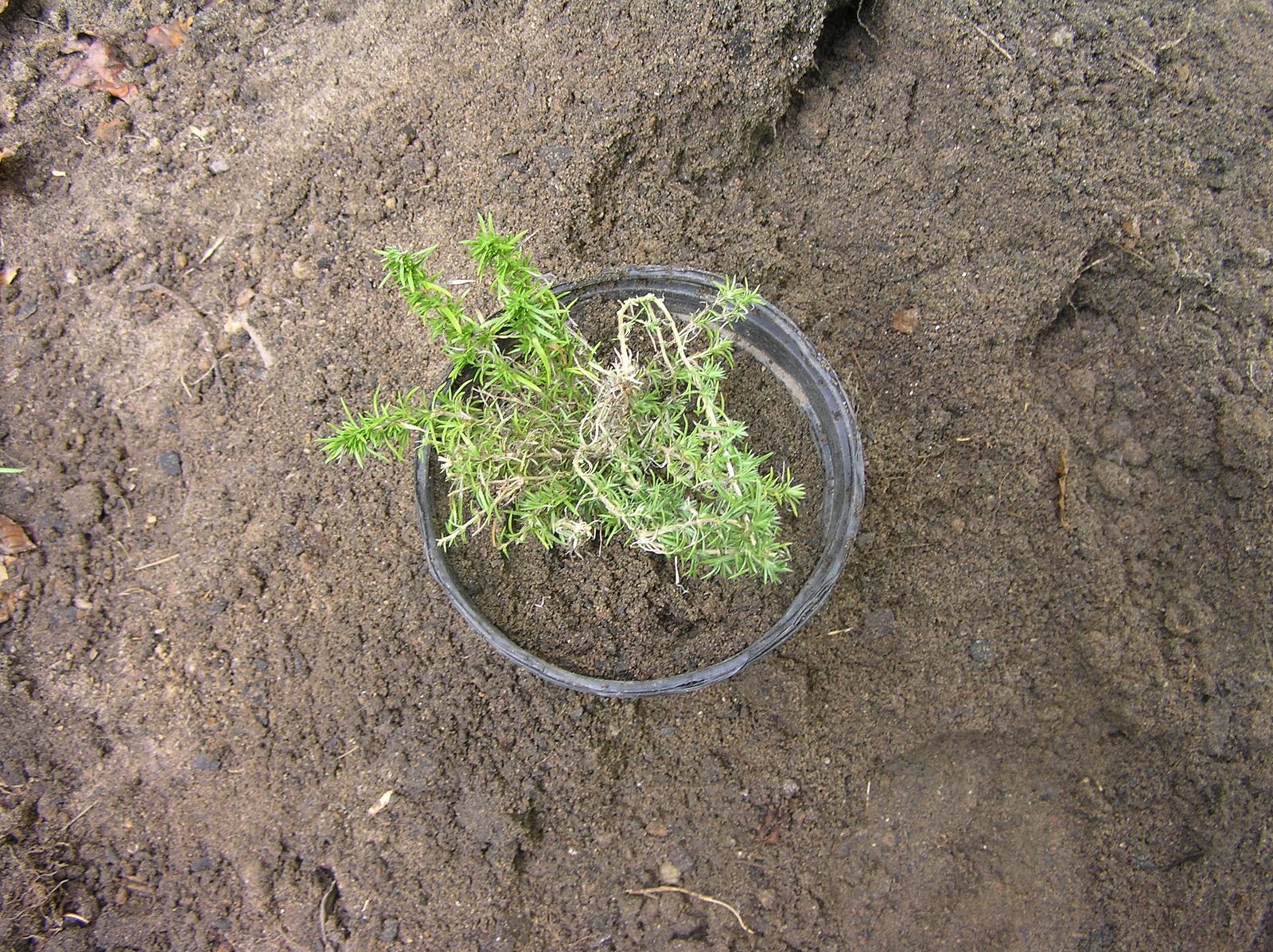
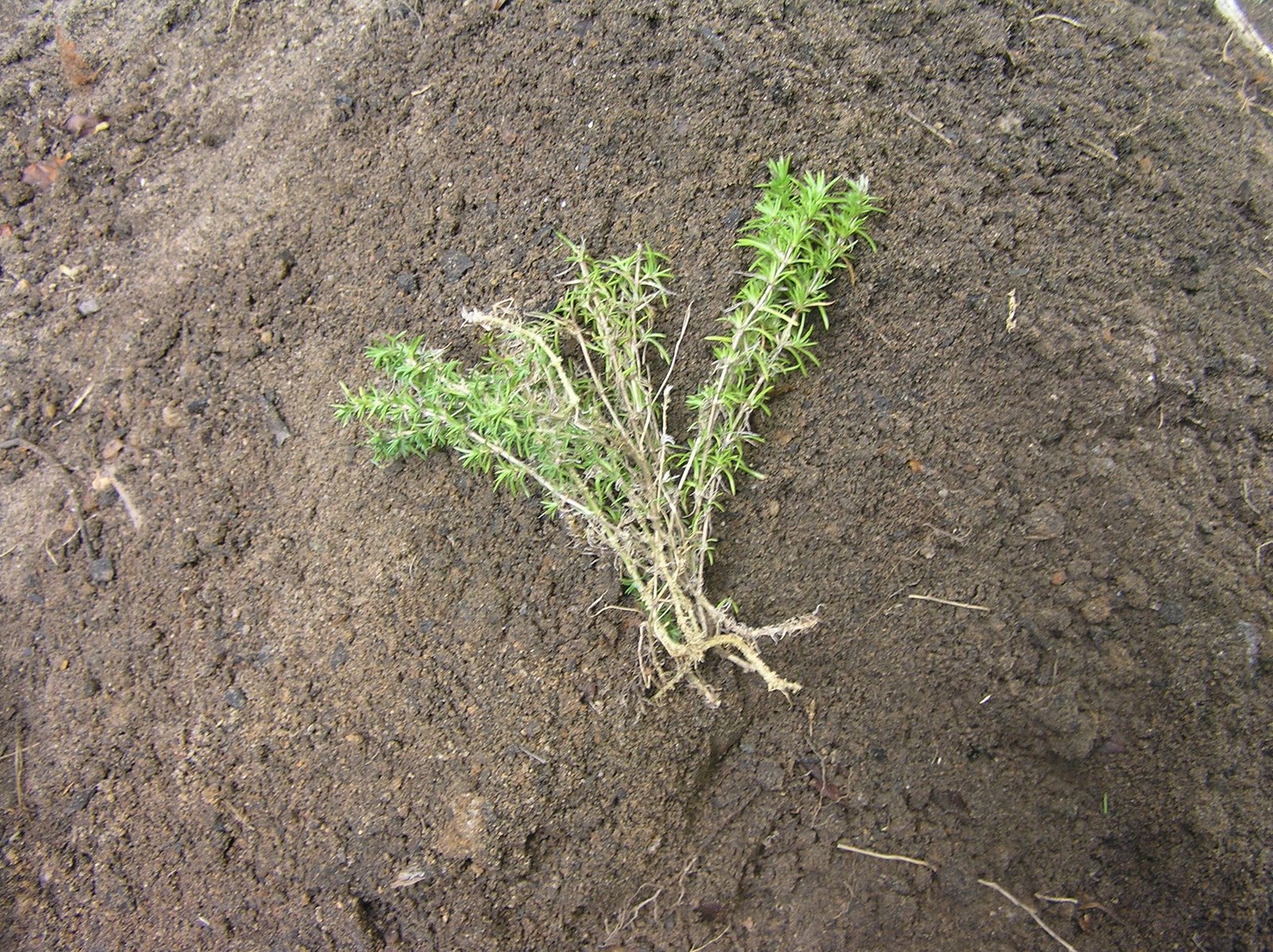
Minuartia or Irish Moss should be propagated in the fall by cutting out a plug from the main clump and replanting. It is an evergreen groundcover that prefers an alkaline soil versus acidic and can be walked on because it only reaches a height of 2"-4". It flowers in May/June and the white and now pink blossoms put on a show. There is also a golden leafed variety. In the U.K. it is found around lead mines, hence nicknamed Leadwort and tolerates humidity and although it will survive in full sun it prefers half sun and half shade. May not be deer resistant.
 
http://www.blogcatalog.com/directory/home_and_garden/gardening

web site counter
South Beach Diet