Gardening  Blogs - BlogCatalog Blog Directory
propagating perennials
Undergoing MyBlogLog Verification

Wednesday, April 16, 2008

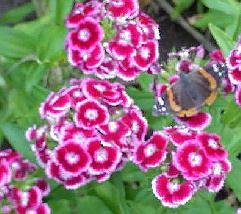
Dianthus Barbatus-Sweet William

Sweet William is easily propagated by division in the spring, but it also is a good example of a self seeding biennial or short lived perennial, however seeds are not breed true so if you want to duplicate the color division is the only way. Colors can vary from white, oink, red, purple and anything in between. Sweet William thrives in a loamy, sandy type soil, that is slightly alkaline in sun to partial shade and its nectar attracts butterflies and honey bees and does well in rock gardens or plant borders or in country styled garden beds. The height of Sweet William is 8"-12" and spreads in a dense mat form and blooms in June to July.

Monday, April 14, 2008

Delphinium-Larkspur

Delphiniums can be propagated by division, however unlike many perennials that are propagated by division the whole parent plant must be dug up and then divided which could shock the plant so it should be done early in the morning on a grey day in the spring. The most common practice of propagation because there are both annual and perennial varieties is done by sowing seed, which can be difficult or taking a heeled basal cutting in the spring, which requires a cutting 4-6" long in early spring with the bottom cut being made as close to the crown as possible, but some say taking a stem cutting from the mature part, in the spring, of the plant and placing it in sand and perlite mixture sitting in a saucer of water will also generate roots. I prefer division, but the problem is with delphiniums is they need a fertile rich humus soil, heavily composted and must be fertilized every month with a liquid and since the parent plant must be replaced every three years, the plants become woody and blooming decreases, so some people feel delphiniums aren’t worth the trouble since the taller varieties, Pacific Hybrids, the most popular, need staking because some could reach as high as 6' and why many people opt for the dwarf variety because they only grow as tall as 18". Delphiniums take full sun, out of the wind, in well drained soil and there color ranges almost the full spectrum with the blue being the most common and can be used for cut flowers. The best way to get repeat blooms, they bloom from June to July, is to cut back the stem after blooming down to the crown, but then you will not get plants to divide.

Friday, April 11, 2008

Dianthus-"Pinks"/"Cottage Pinks"

Dianthus or Pinks can be propagated by division, every 2-3 years, by digging up the whole plant, sometimes we must work, and separate the clump by gently pulling the roots apart, preferably late in the day and then pot or replant in the garden bed, watering throughly. If you like to live dangerously they can also be propagated by softwood stem cuttings in spring or early summer and plant in a mix of sand and perlite sitting in a saucer of water. Pinks thrive in fertile(compost), fast draining and slightly alkaline soil in partial sun, 4-5 hours. Over-watering turns the foliage yellow. Unlike most of the plants in garden beds Pinks should not be mulched, they require good air circulation around the stems and do not like foliar moisture and are susceptible to stem rot. Their colors range from white, to pink, to red, to cream and mixes in between and are a perennial and depending on the zone they are either semi-evergreen or evergreen and will attract butterflies and can be used as cut flowers. There blooms can last to fall, if the plants are deadheaded after blooming. They are also fragrant. The majority of varieties sold today reach a height in range from 10"-20". They are a good addition to a rock garden or used as an edging plant.

Wednesday, April 9, 2008

Primula-Primrose

Primroses can be propagated by division and should be done after they finish blooming which is mid to late spring. Primroses brighten up any shady corner of your garden bed because their flower spikes range in color from yellow, red, pink and blue and blooms last a couple of weeks, and prefer slightly acidic soil but well drained which needs deep composting. Primrose plants are clusters of green and are small in comparison to daylilies but can be propagated just as easily, just dig up the seedlings growing next to the parent, but they cannot tolerate dry conditions. I use what they call a “sharpshooter,” to transplant, used in the irrigation industry to dig trenches, even though it has a short handle because its small face navigates around perennials perfectly. Mature height depending on variety can range from 6" to 30" of which the 6" is the most common sold and prefers colder climates because it induces flower growth.

Monday, April 7, 2008

Ajuga-Bugleweed

Propagating Ajuga is one of the easiest plants to reproduce because they spread by stolons which root into the surrounding areas when fertile soil is available and form clumps. They can be propagated almost anytime of the year as long as the transplants are watered thoroughly. When I transplant I always put transplants into one gallon containers that way I know they will be watered then transplant back to the garden bed for the next growing season. They thrive best in fertile moist soils and can be planted in light shade to sun and can stand moderate dry conditions, but because they can be perceived as invasive it’s why many people use them in rock gardens or interspersed between the flagstone walkways, but not alongside grass, they got the nickname Bugleweed for a reason. They are semi-evergreen with shiny foliage ranging from bronze to green and although their flower heads can be inconspicuous in smaller planting’s in the garden bed, their color range is from blue, dominate, to white, pink, or lavender, blooming from late spring to early summer.

Friday, April 4, 2008

Potentilla Fruticosa “Katherine Dykes or K. Dykes”-Shrubby Cinquefoil

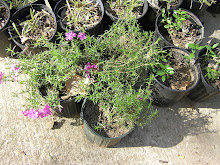
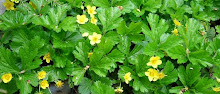
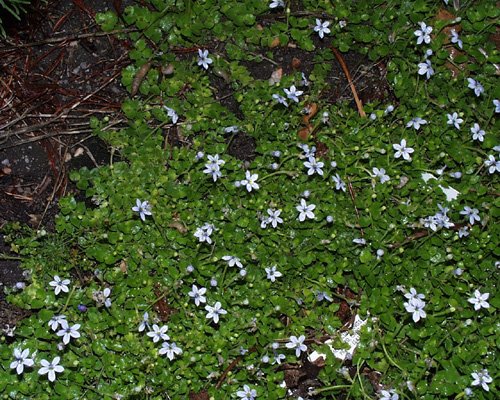
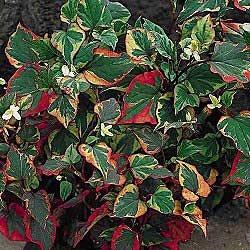
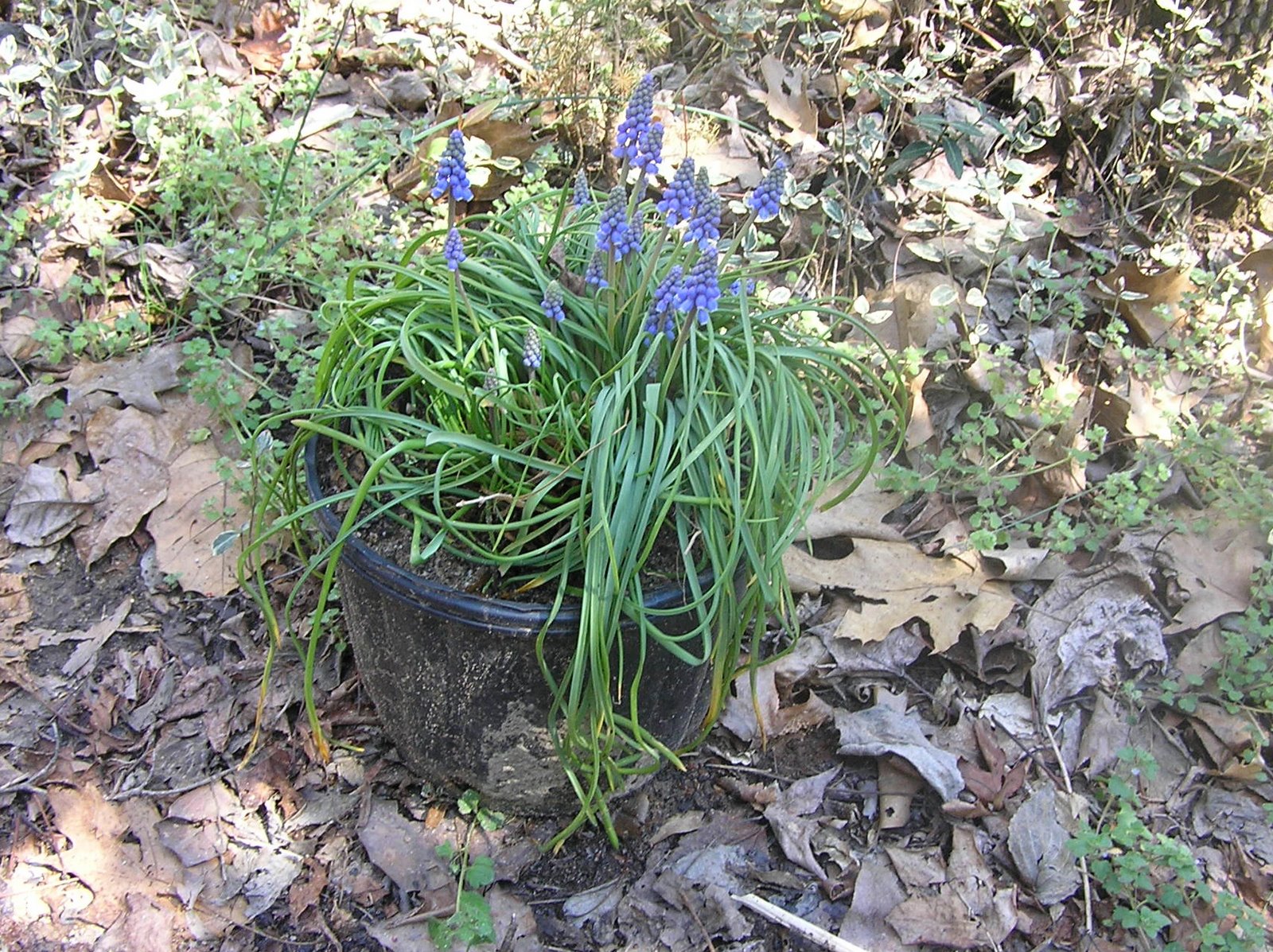
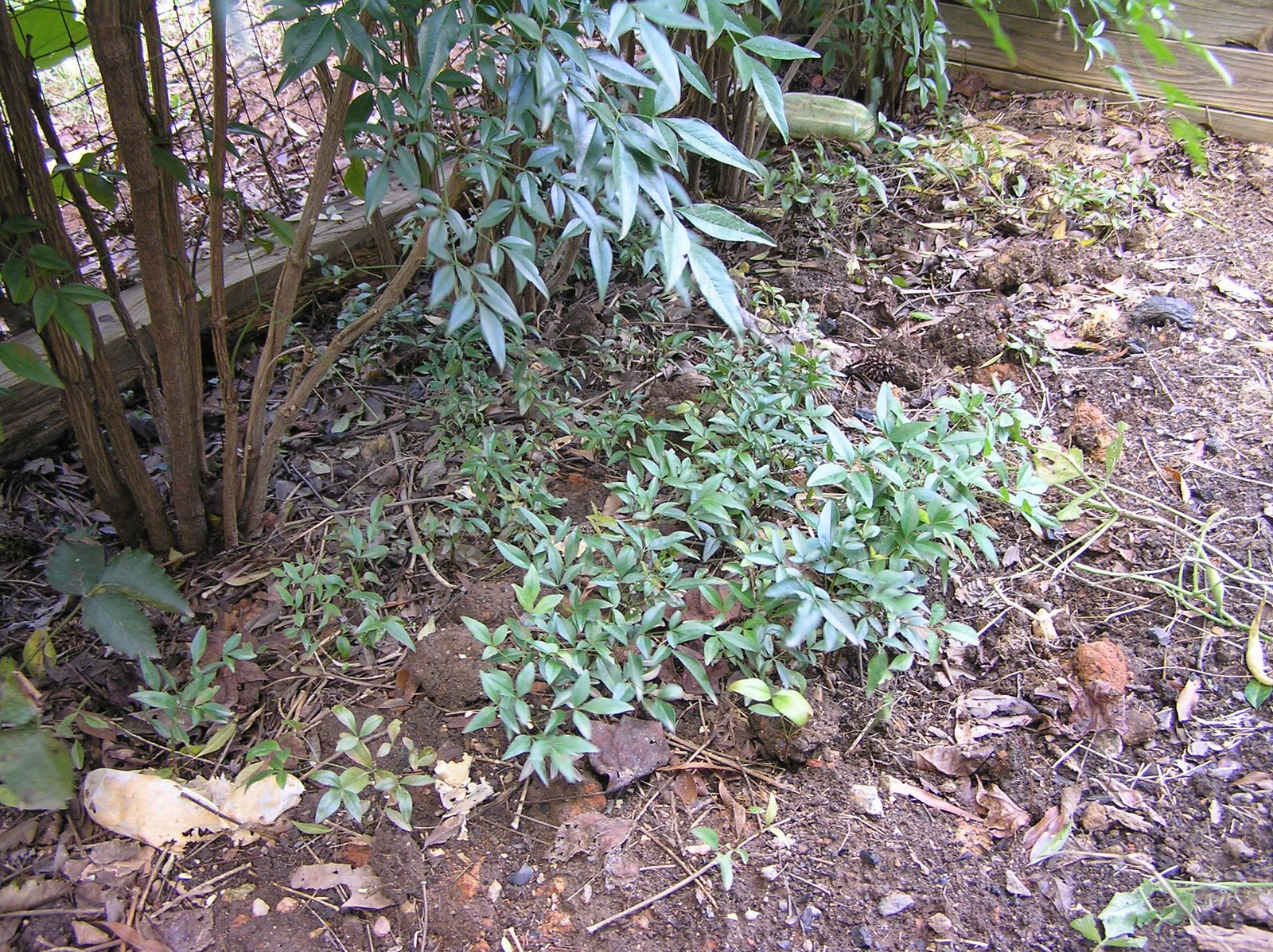
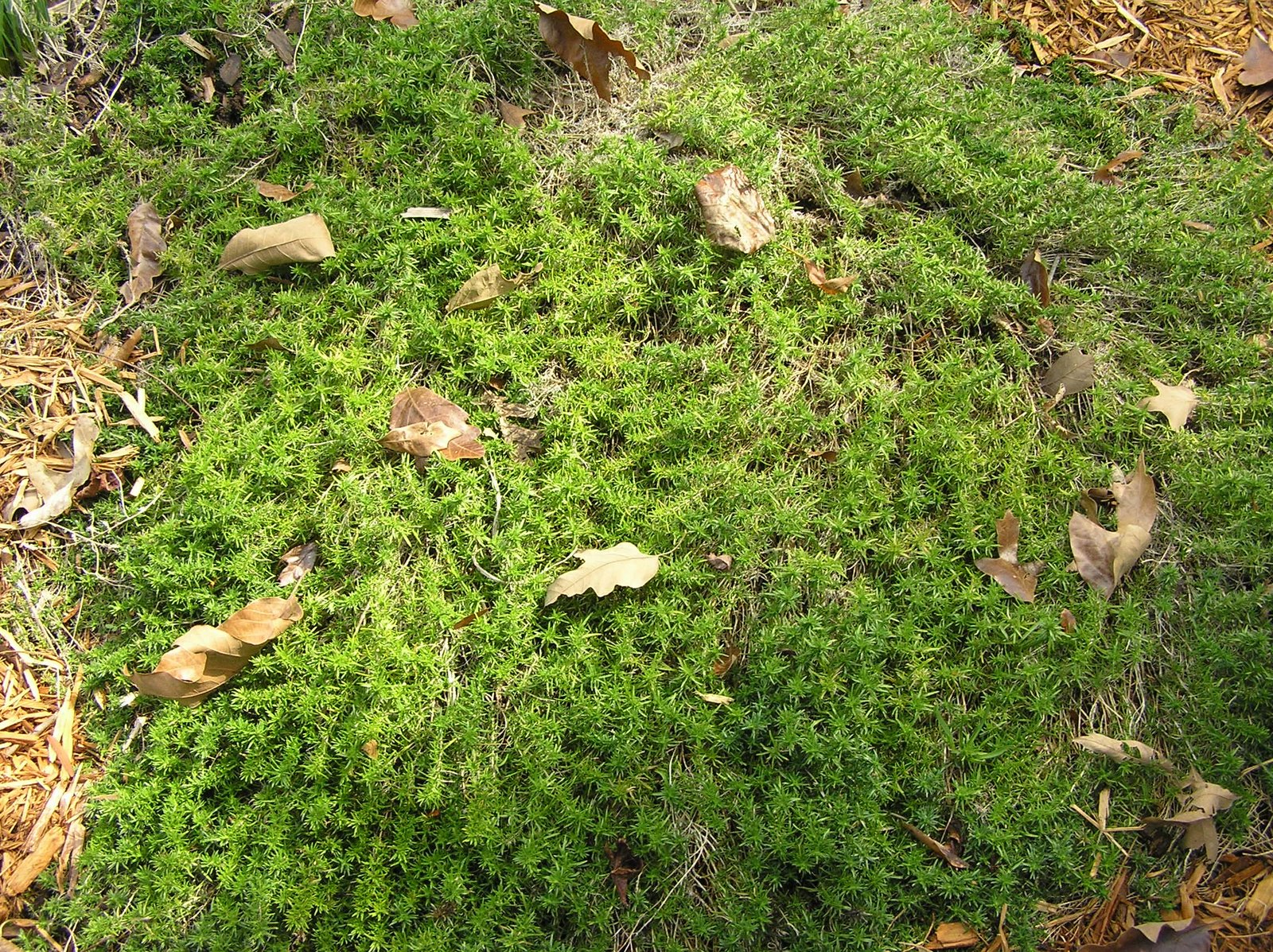
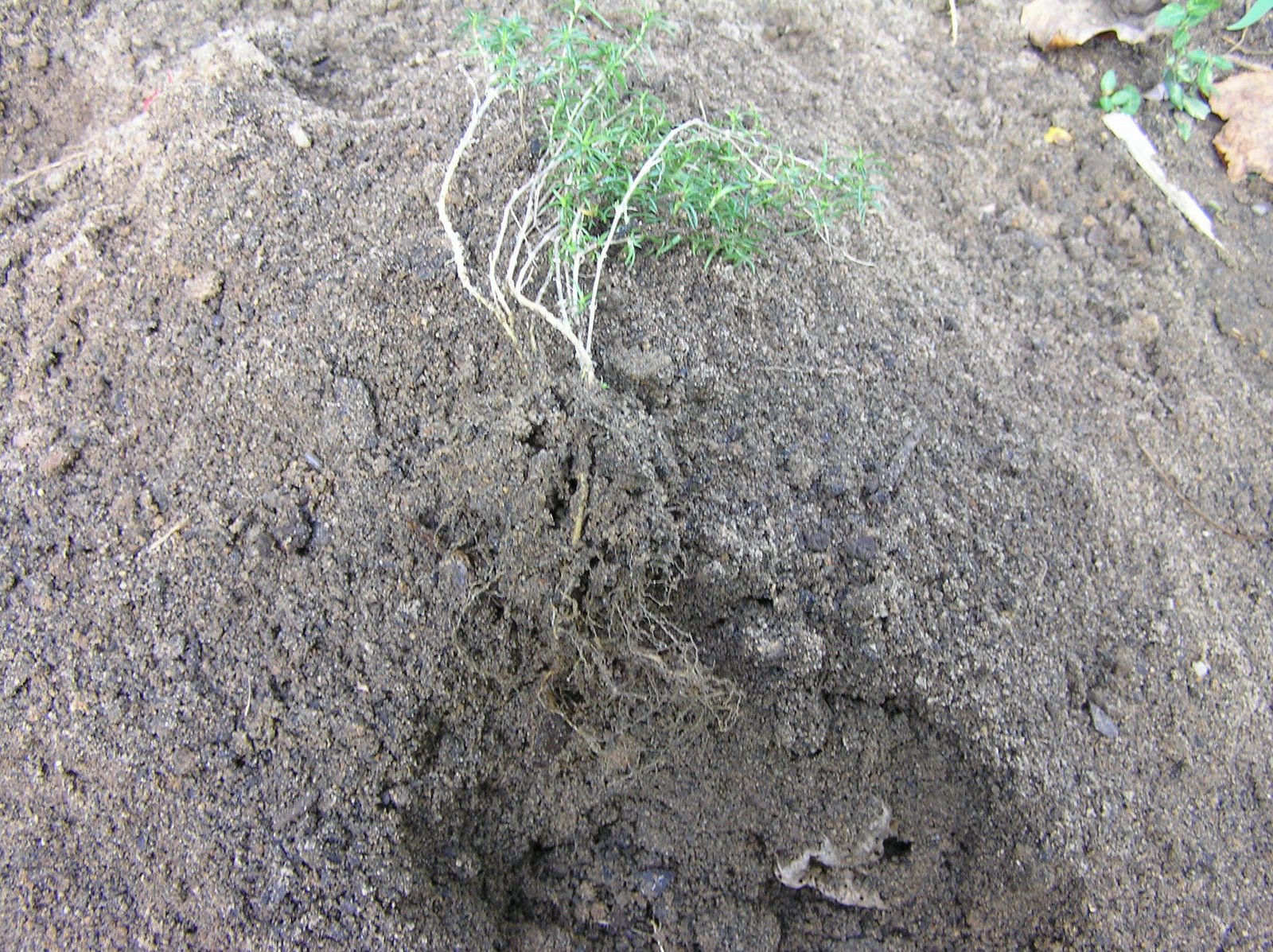
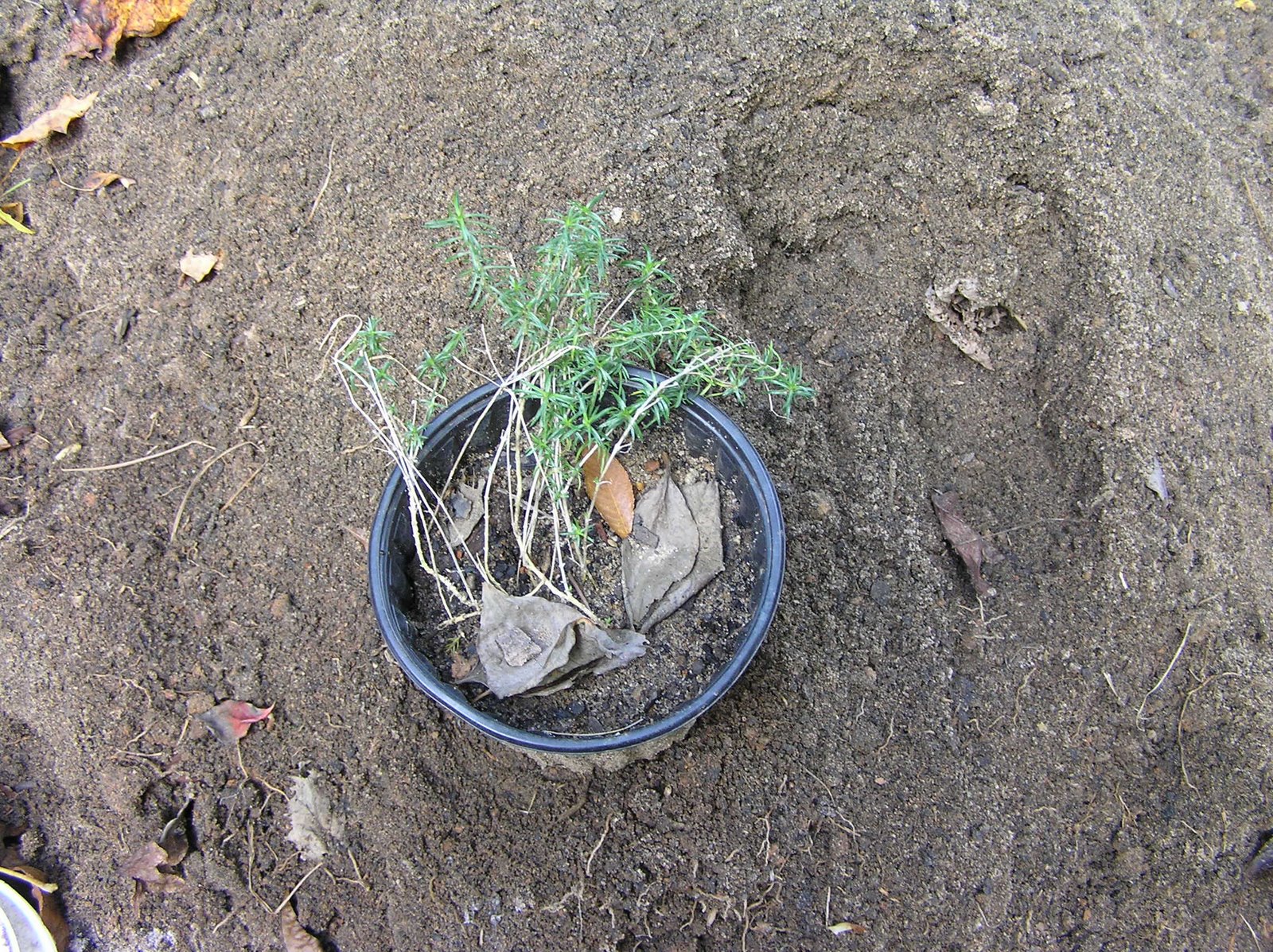
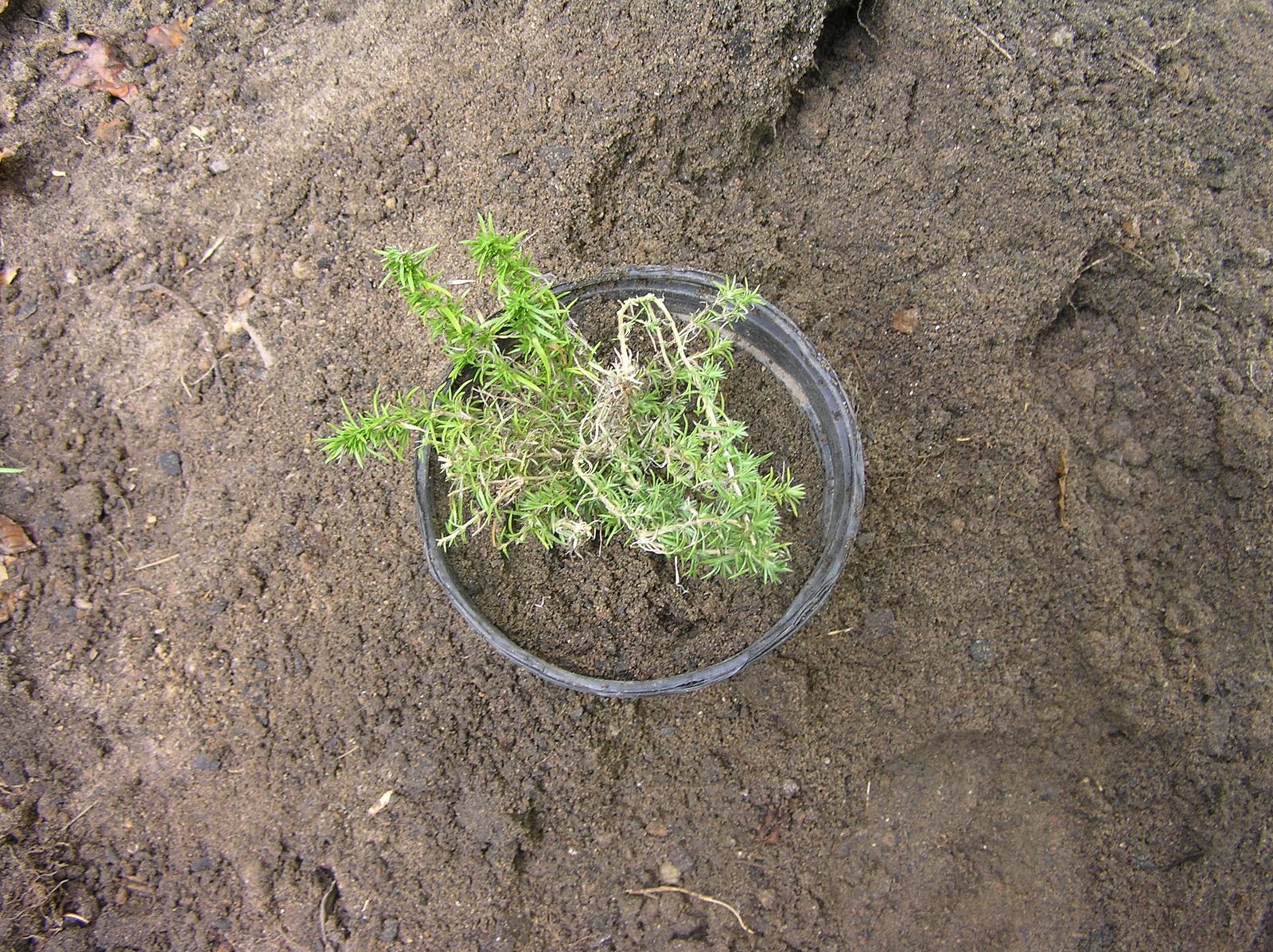
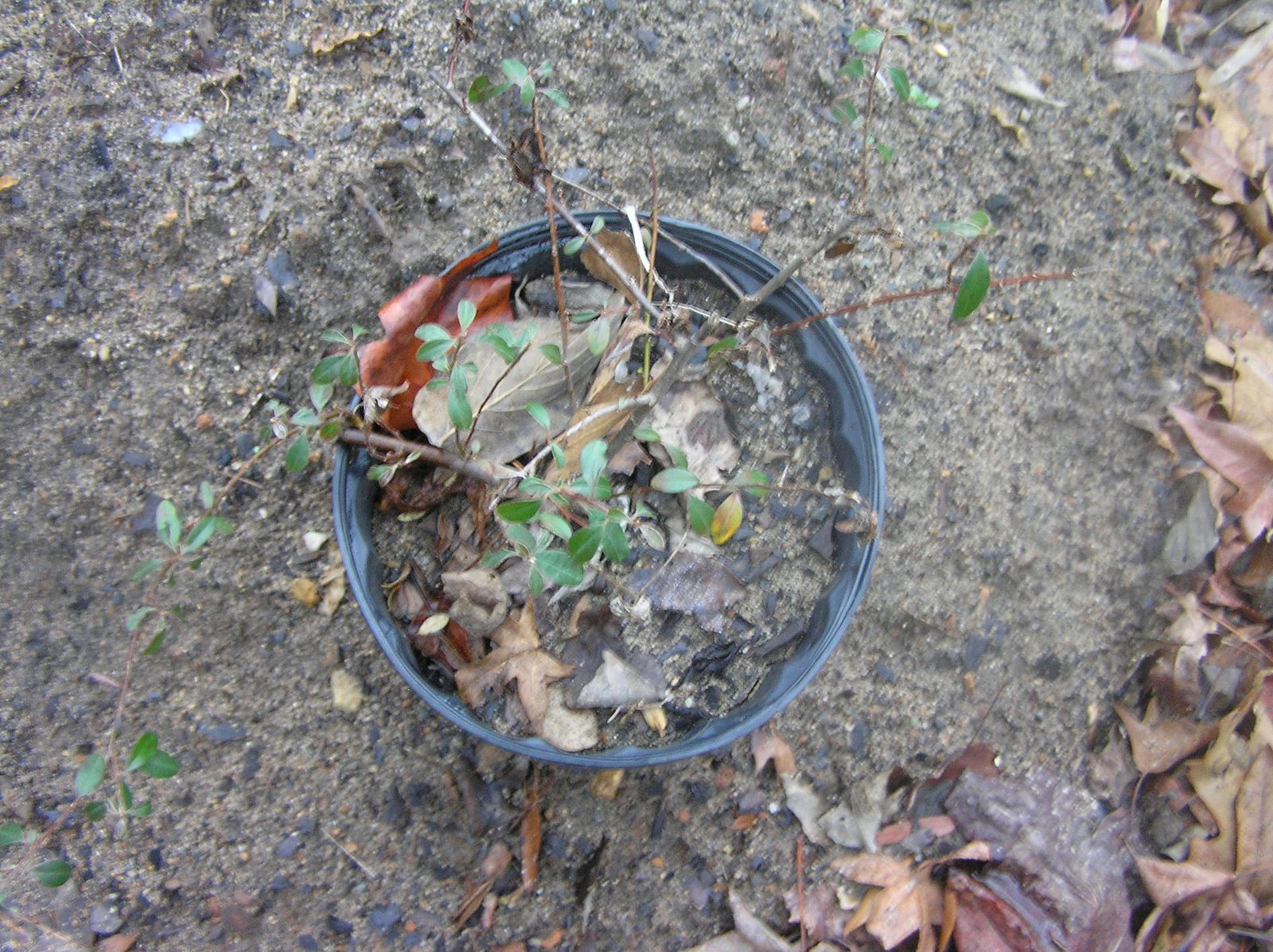
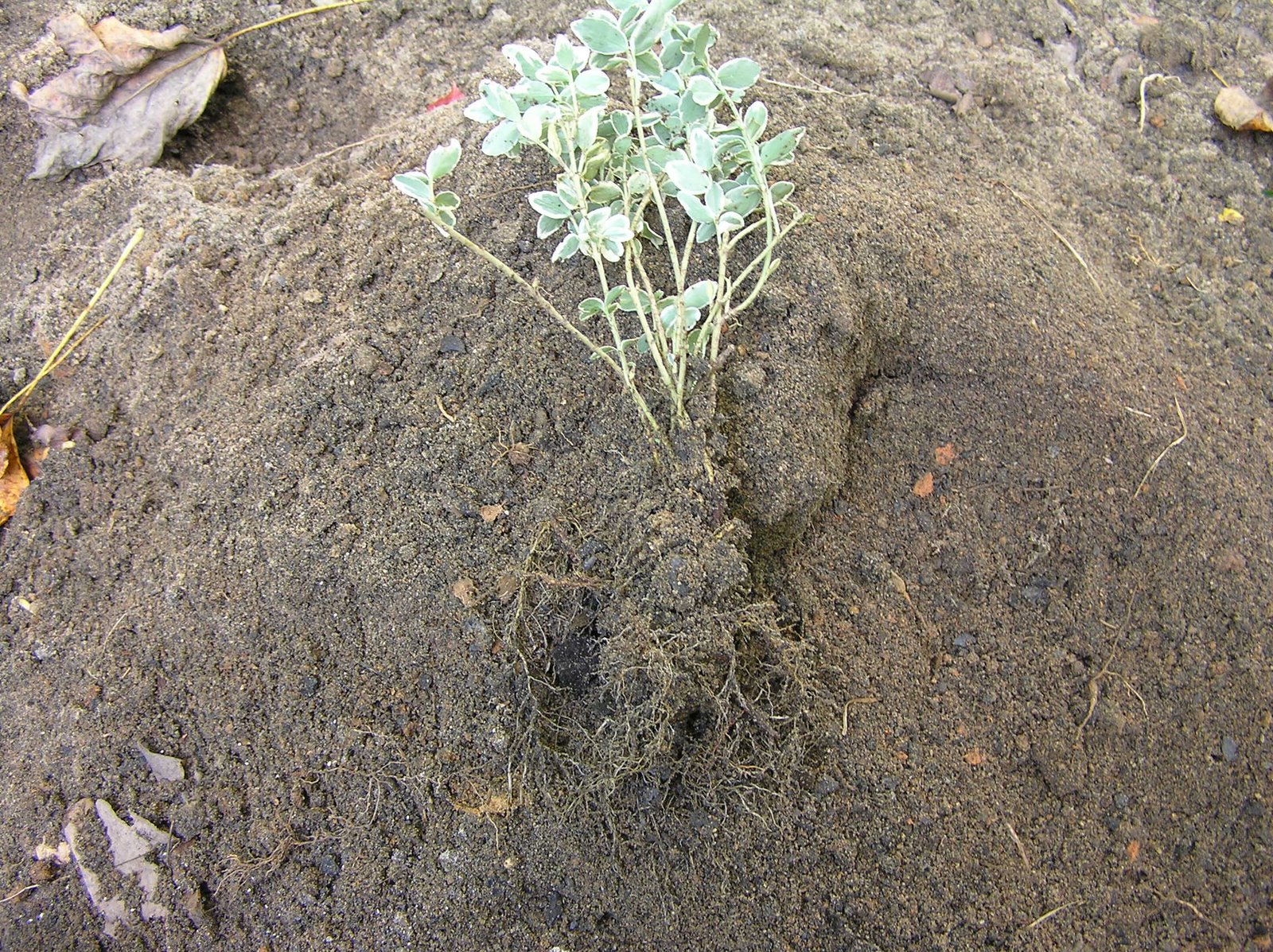
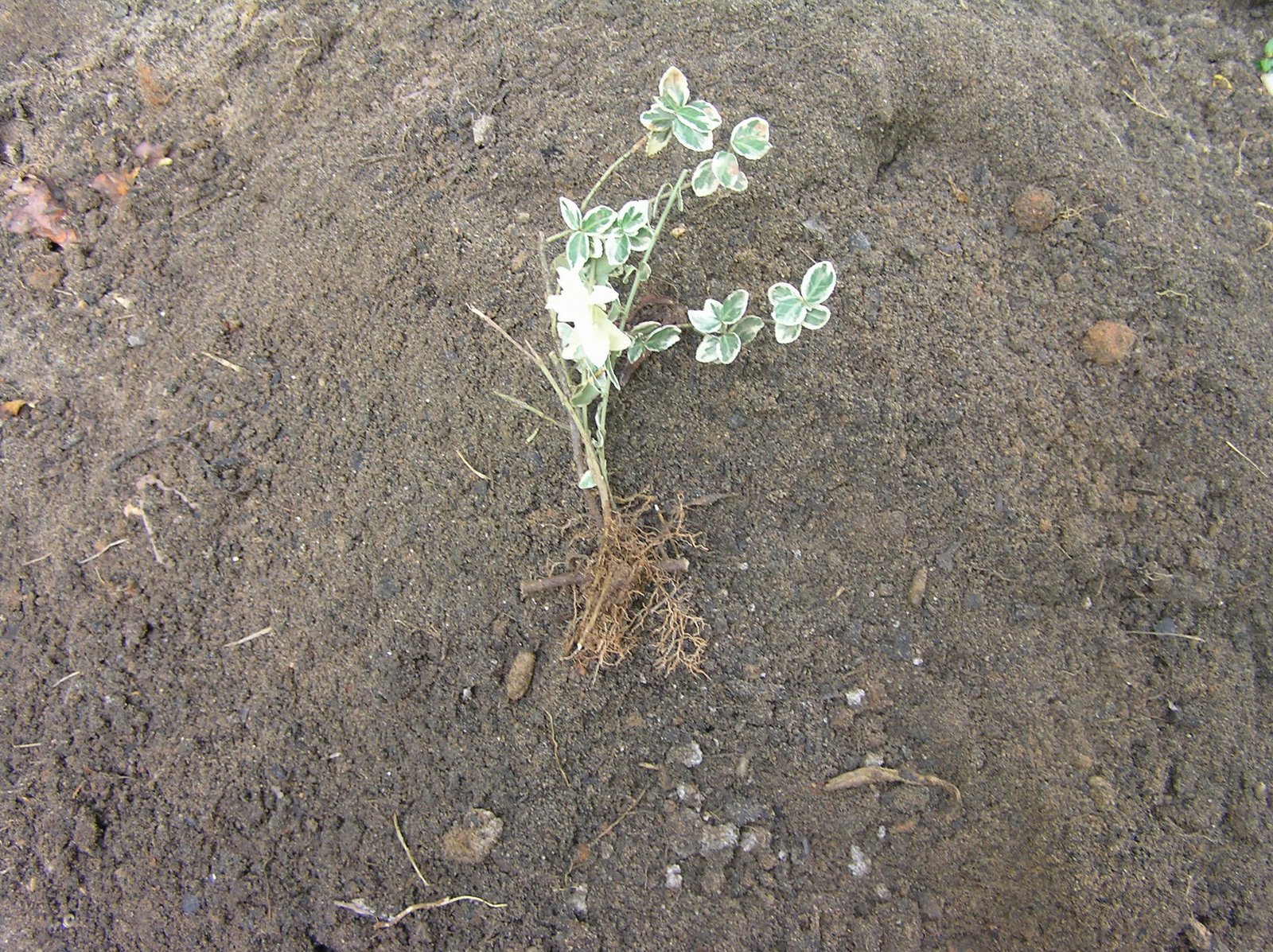
Potentilla “K. Dykes” can be propagated by layering and is my favorite flowering deciduous shrub, because of its growth habit, whose bare branches in winter aren’t typical of most deciduous and bright yellow blooms all summer, however after purchasing some on E-Bay they finally gave the fight up because the North Carolina summer heat was just too much for them to survive. There are white, pink and orange varieties as well. What I liked about K. Dykes was its cascading branches and grew no taller than three feed but spread as much as five. I used them extensively when I did design/build in Colorado. What I am trying to say is don’t fight Mother Nature and purchase plant material that isn’t recommended for your zone, because Mother Nature will most always win out, she is not biased. I visited my sister while on a business trip and noticed the big boxes and garden centers were selling crapemyrtles which I thought was strange because when I lived in VA, north of the Blue Ridge Parkway there weren’t crapemyrtles, but when I moved south of the Parkway you couldn’t get away from them. I gave into my sister’s wishes and purchased a beautiful multi-stemmed pink crapemyrtle for their garden bed, but it didn’t survive the winter. Why garden centers introduce plants that aren’t hardy for their zone is about greed or they are totally ignorant of hardiness zones. When I write about perennials or woody plants don’t assume that the plants I write about are hardy in your area, I am in Zone 7. Check into it first. Type in the plant name then after type in the words “plant zone” and up will pop the zones they are considered hardy in. Or go to Michigan Bulb and select your zone. I use to purchase cow manure from Wal Mart, but then they changed manufacturers and noticed there was a lot of sand mixed in, the new bag said “composted cow manure,”I have tons of silt from a stream behind my home, so I went to HD & Lowe’s and found that Lowe’s had the right mix at the cheapest price. Shop around. Update: The Periwinkle shown in the picture to the left are planted in two gallon containers( 5) and have been for two years and to show novices just how invasive it can become I went out and trimmed back the plants and got enough cuttings to pot up an additional five healthy one gallon containers.

Wednesday, April 2, 2008

Gypsophilla or Baby’s Breathe

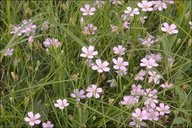
Propagating Baby’s Breathe must be done in the spring. Most anyone that has received an arrangement knows Baby’s Breath, because it is used by florists as a filler amongst roses or other cut flower arrangements or used as dried flowers. Some use the plant to drape over walls which adds texture to the landscape and they can endure harsh summer conditions because they will prosper in full sun and poorer soil conditions, and brighten up any rock garden or border areas because their leaves are basically insignificant when in bloom. They can attain a height of 24" and shearing them back after flowering can be detrimental to the plants health. Propagation can be done by dividing the root system. In some areas Gypsophilla Panicullata the most common plant sold, can be considered invasive because its seeds are mainly microscopic, so check that out first before planting. The color ranges of Gypsophilla are white to red to pink, with white considered the hardiest of cultivars.
 
http://www.blogcatalog.com/directory/home_and_garden/gardening

web site counter
South Beach Diet