Gardening  Blogs - BlogCatalog Blog Directory
propagating perennials
Undergoing MyBlogLog Verification

Friday, March 28, 2008

Ladybugs

I’ve raised many different things when I had a farmette. cows, pigs, chickens, turkeys, and honey bees, from a swarm, but nothing brought more joy then when I purchased Ladybugs, because they scoot around seemingly without a care in the world. The benefit of having Ladybugs cuts down on pesticide usage in the garden bed because they devour aphids and other pests to keep your garden perking along. I never knew that Ladybugs came in different colors but they do and range from yellow to orange to red and some are even totally black. A Ladybug can devour as many as five thousand aphids in their lifetime which generally is up to three years. The male is smaller then the female and they often lose their black dots on their wings when they age and can flap their wings up to 85 times a second, mimicking hummingbirds. Females can lay up to 300 eggs at a time and hatch within 5 days and take up to three weeks to become adults. The flowers that will attract Ladybugs to your garden bed many are mix of weeds, annuals, and vegetables that range from dill, cilantro, wild carrot, dandelions, cosmos, and geraniums. If you have extensive garden beds it might be worth it to buy some Ladybugs, but be careful, they cannot be raised indoors and released to the out of doors. Make certain you get instructions on how to prepare them for your garden beds. Here is one source that I found: http://www.suburbanhabitat.com/beneficial_insects.php

Wednesday, March 26, 2008

Verbena

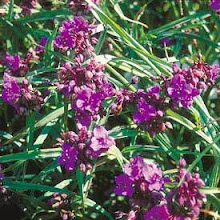
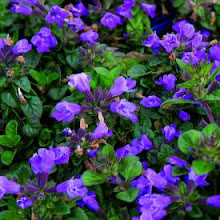
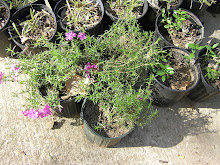
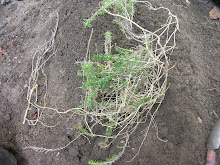
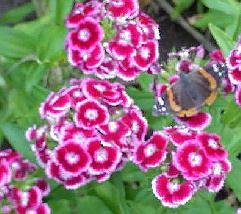
Propagating verbena can be simple or complex, it depends how good you garden bed soil is and how healthy your plants are, because verbena is a semi-hardy perennial in the Carolinas, an annual in colder zones that grows along the ground and the plant nodes sometimes send out roots similar to periwinkle. That’s the simple. When that doesn’t happen you propagate by cuttings, in a sterilized sand and perlite mixture and use a rooting medium that helps the roots form. Use a pencil to make a hole in the wet medium so when you stick the cutting in the rooting hormone doesn’t wipe off. Water and everyday depending on the heat/sun mist the leaves. If you can cover with plastic to retain the moisture do so. Don’t miss a day or you will be starting all over again. I know firsthand. If you are lucky to have the branch nodes self root, cut close to the one leaf node and leave a six inch branch on the other end of the root node. Gather three or four of these cut branches and plant them in a mixture of sand and manure with a handful of bone meal thrown in before planting the branches. Make certain you compact the backfilled soil with the end of your trowel. Water. Verbena is a herb of sorts and is used as a tea. Colors vary from purple, pink, red, and white. It can be planted in moist or dry areas but water in the winter and to keep it blooming through the summer it is best to deadhead the blooms. They are started by seed in northern zones.

Monday, March 24, 2008

Crapemyrtle

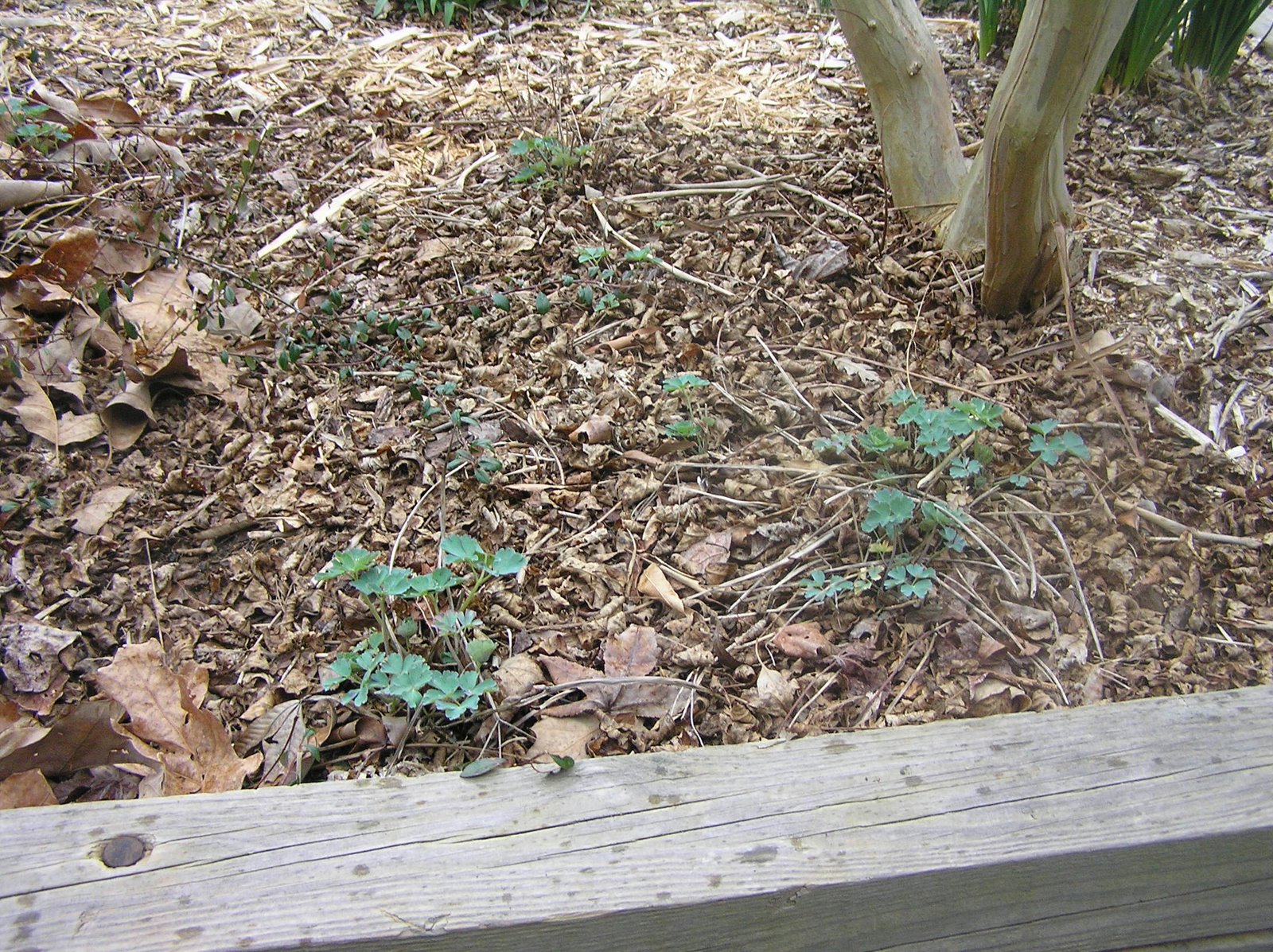
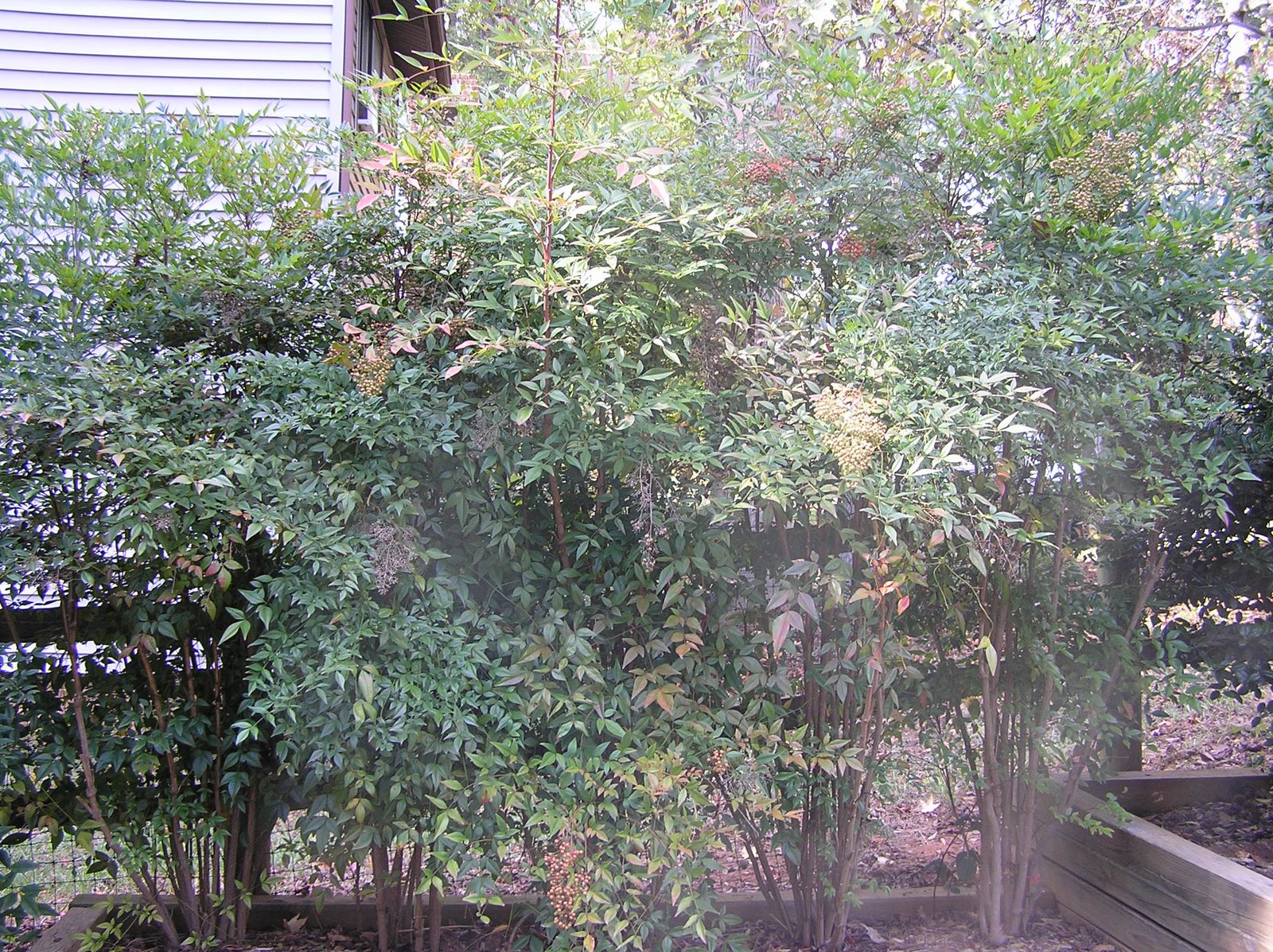
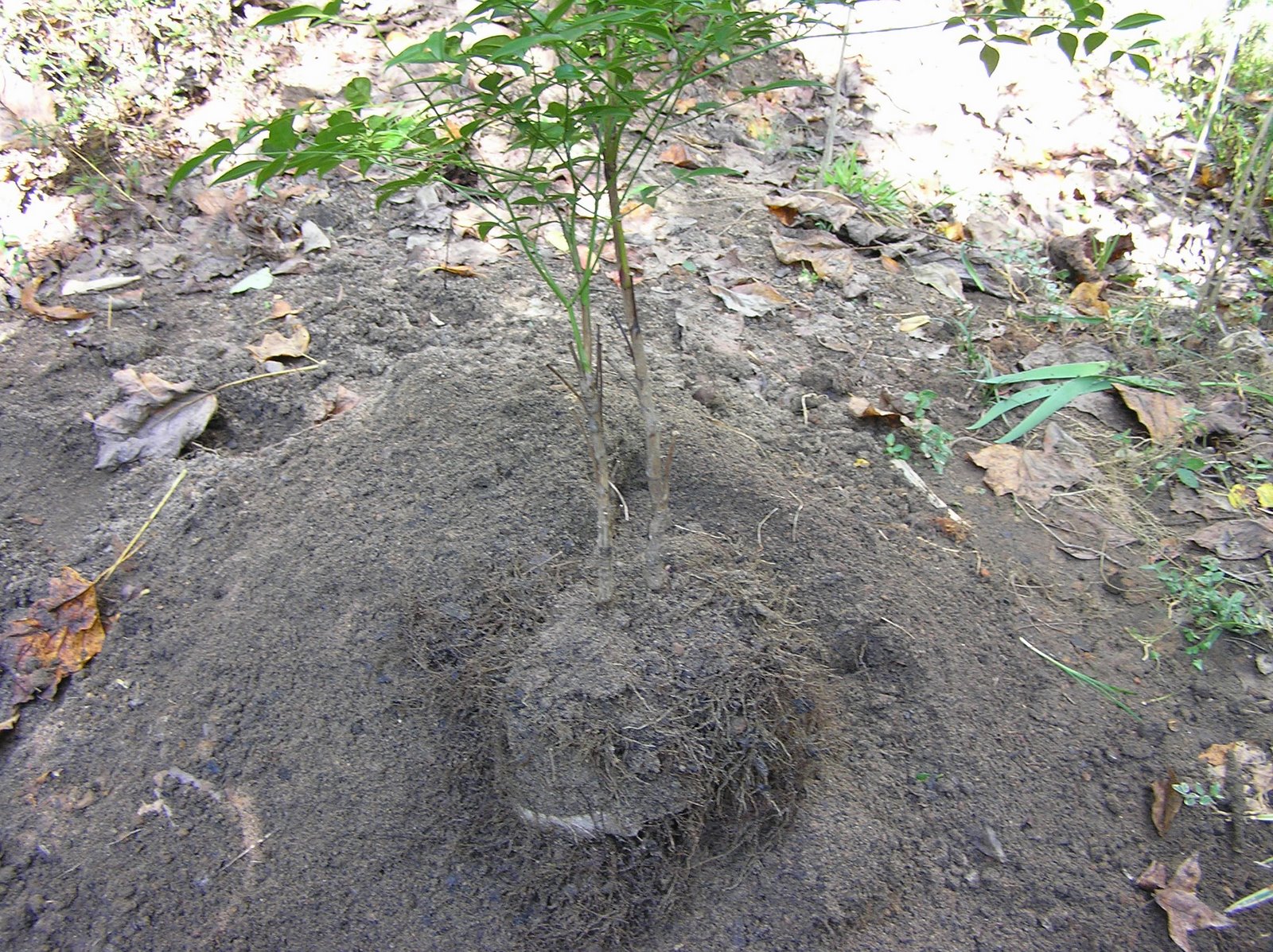
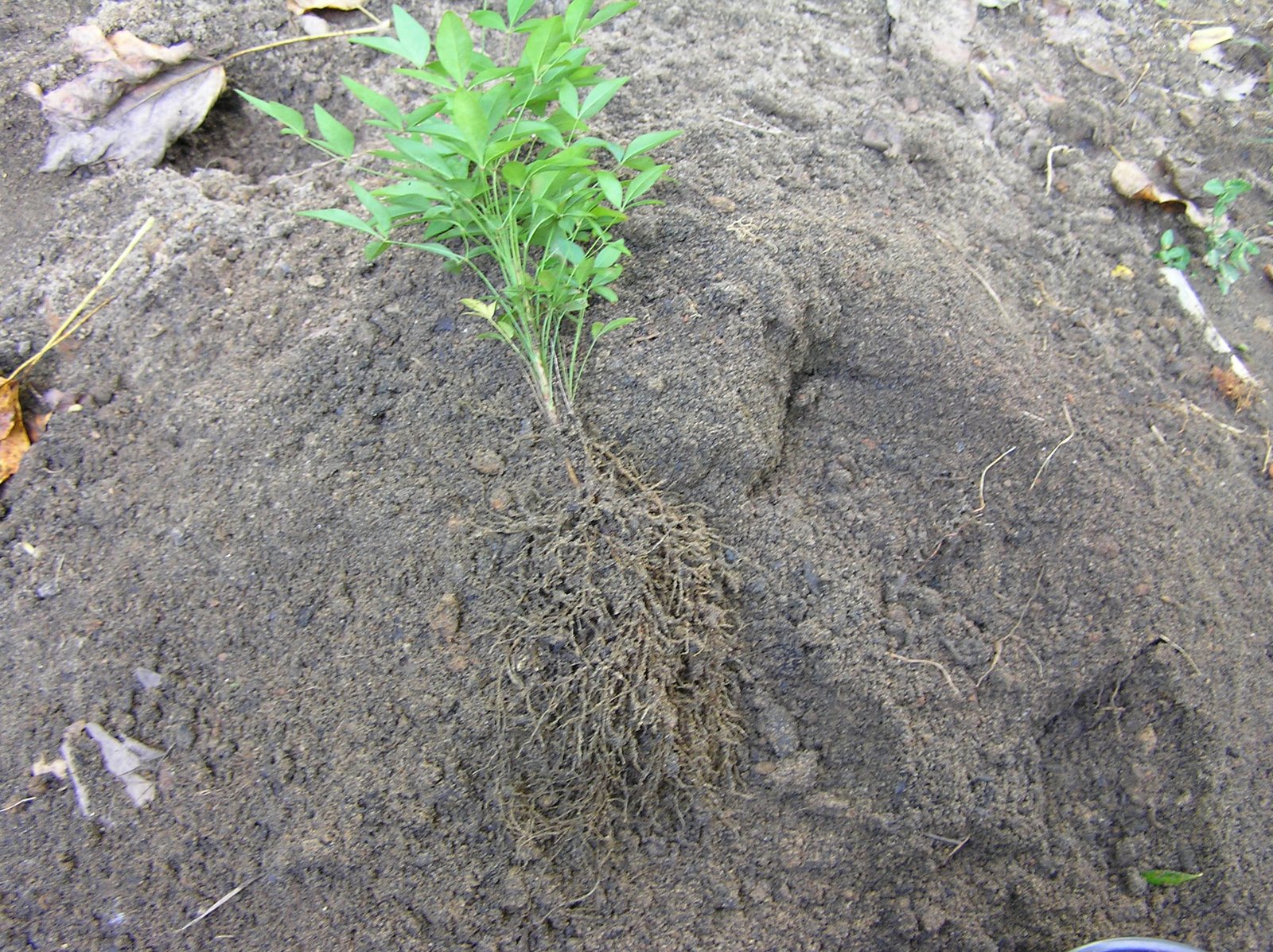
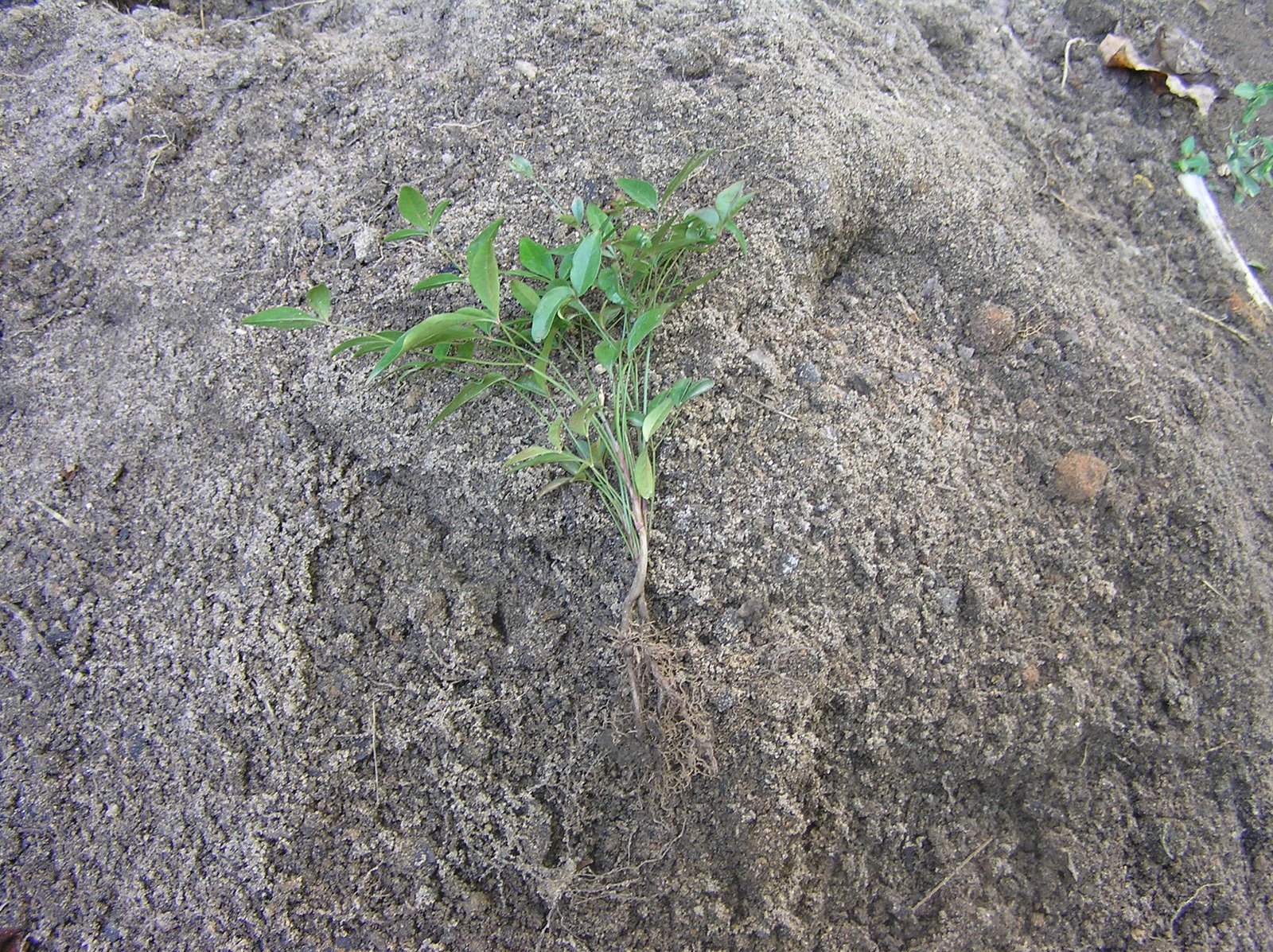
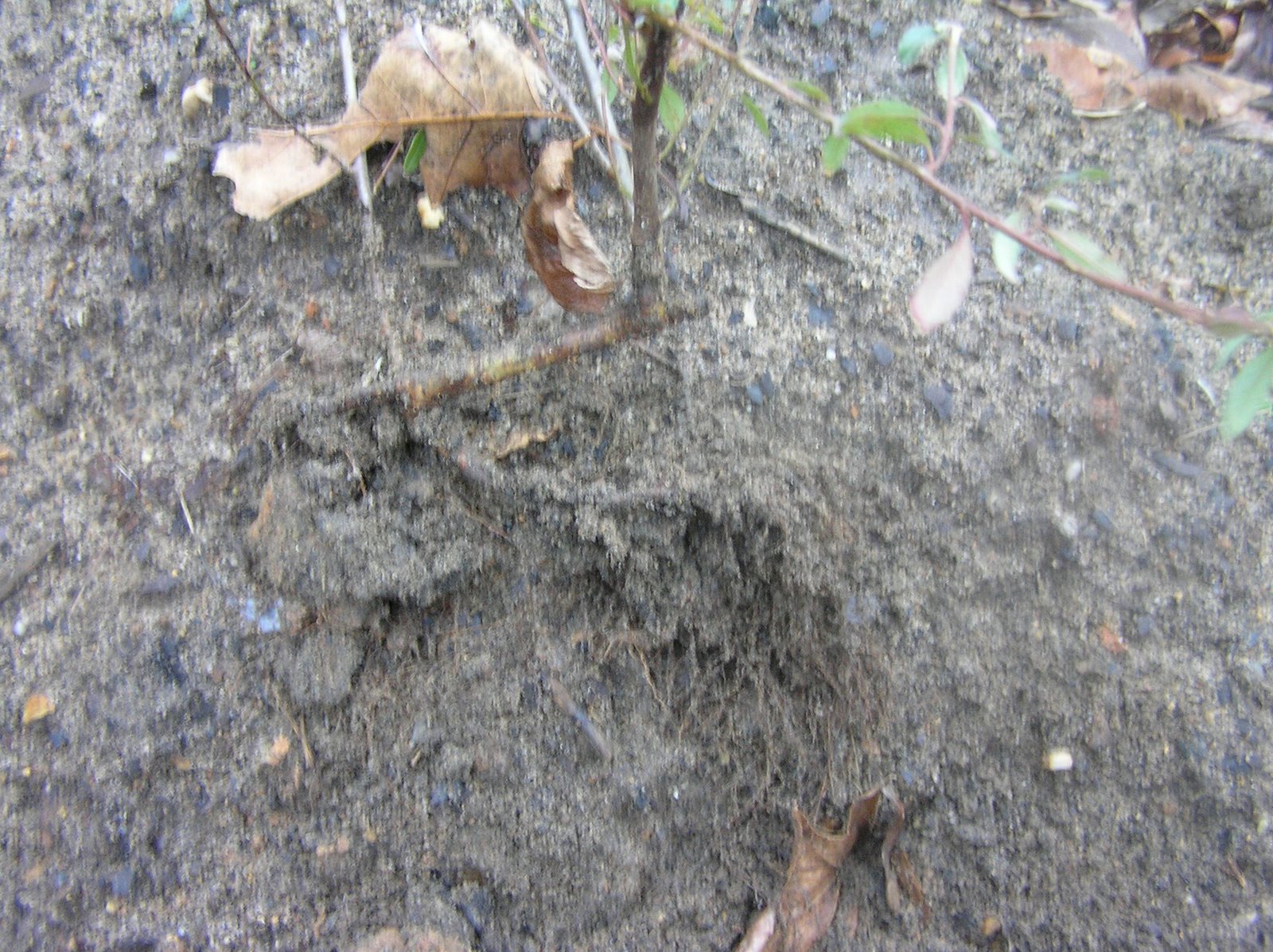
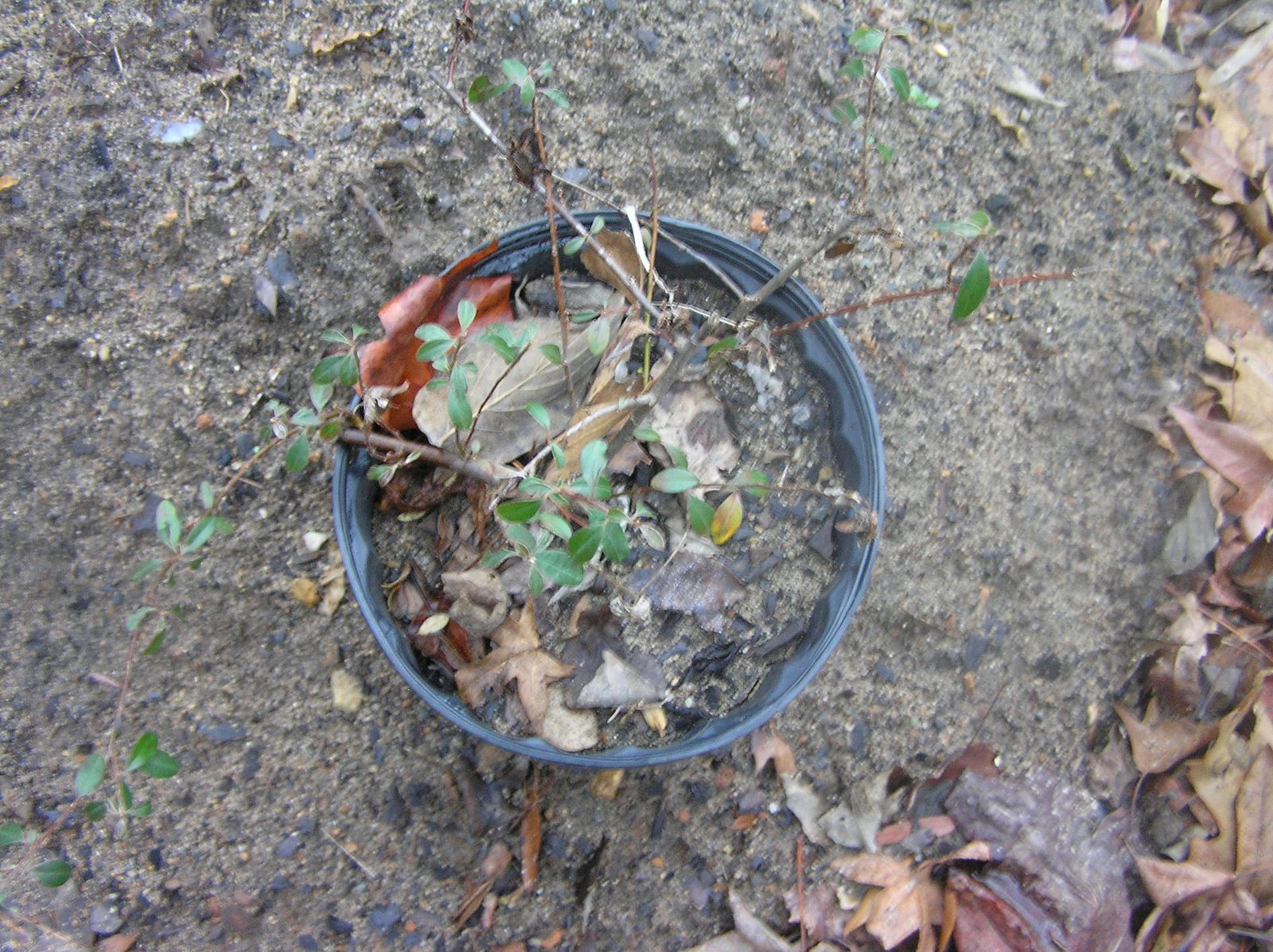
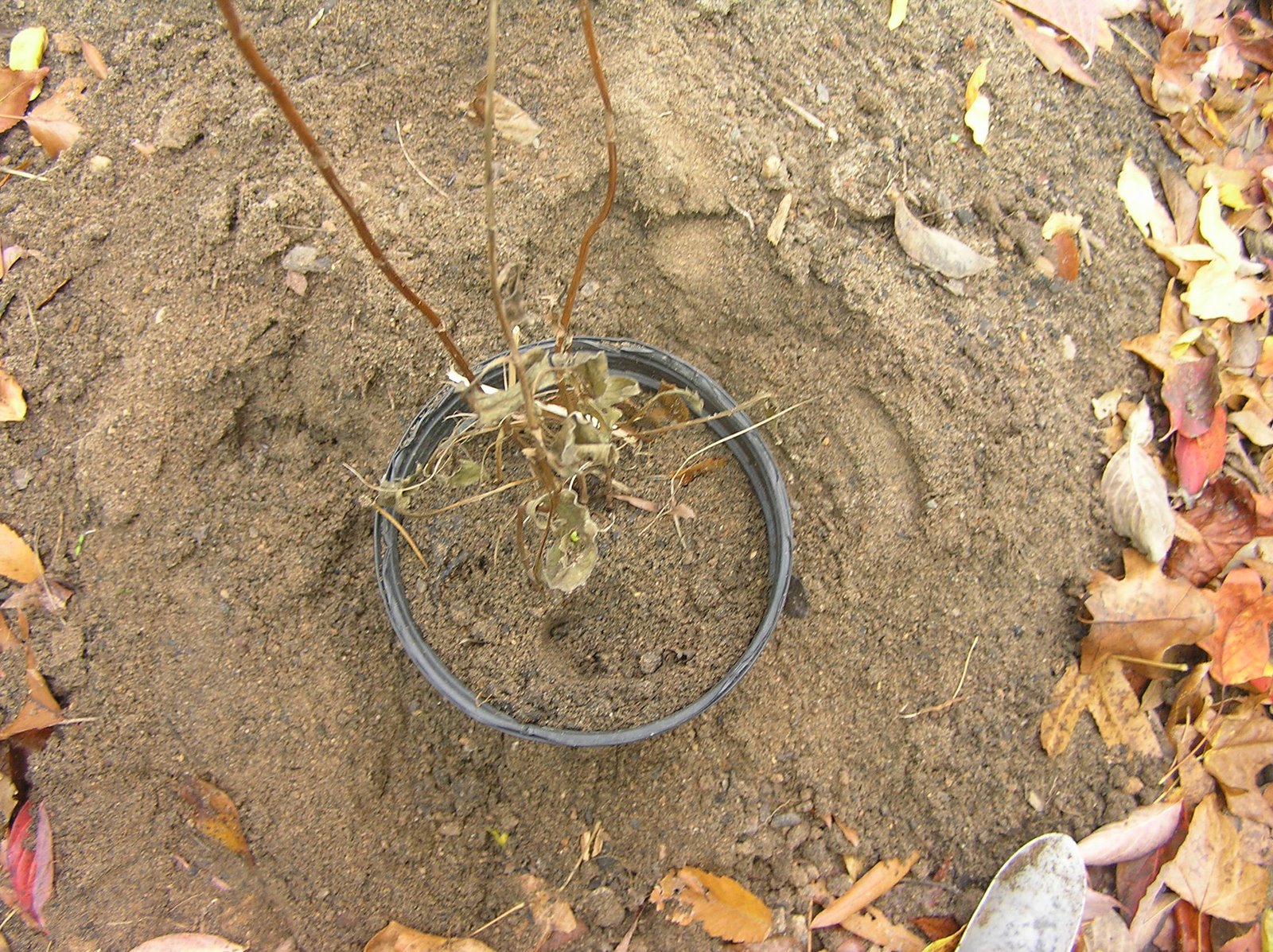
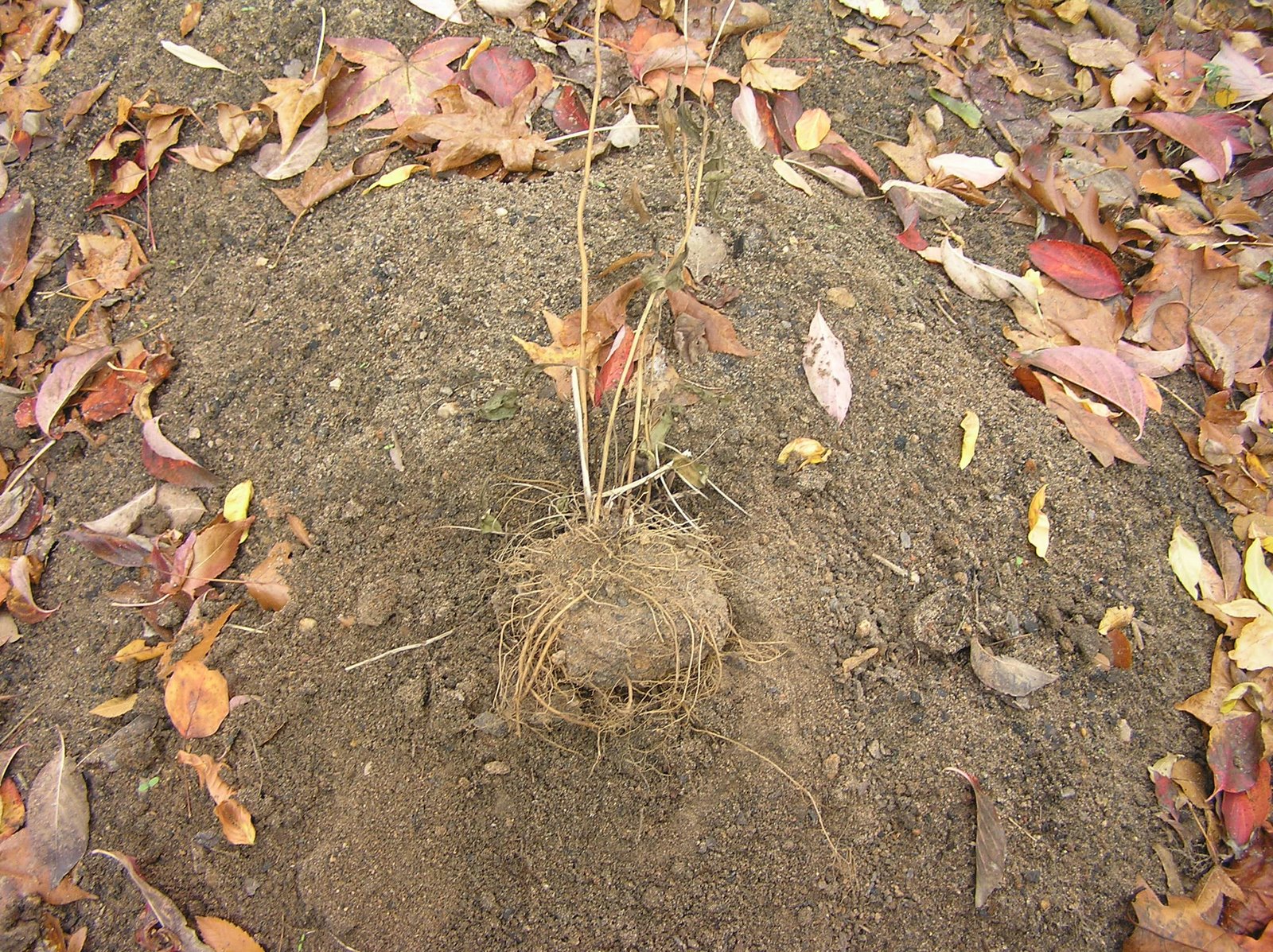
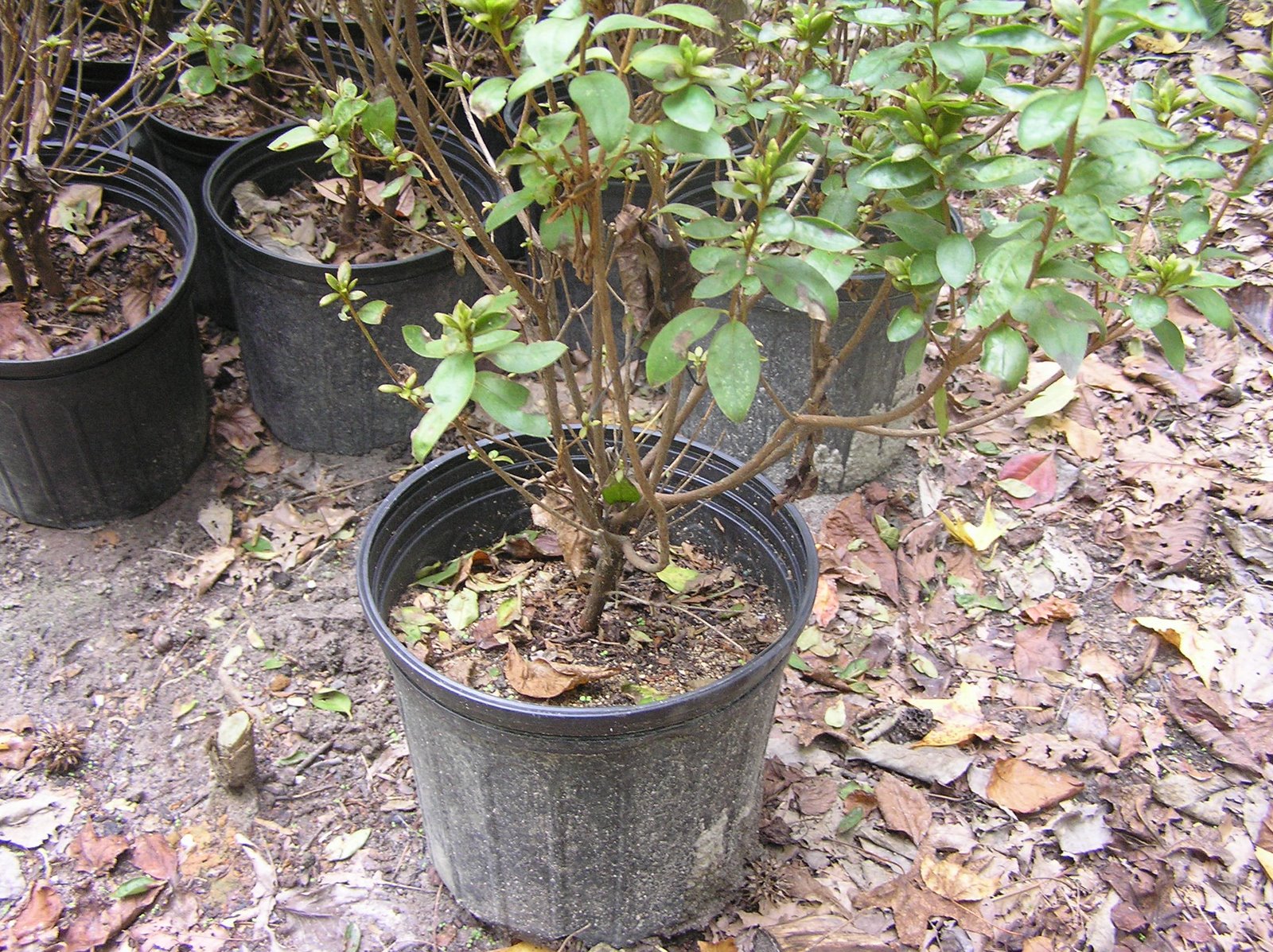
Most homeowners in the Southeast enjoy crape myrtles blooming in the summer because their colors are profuse and plentiful, except when there are drought conditions. Many people in the northern part of their plant hardiness zone seek to propagate by cuttings but here in North Carolina, if you have good garden bed soil condition their seeds will germinate as profusely as they flower. I’ve notice the pink varieties semi-dwarf or otherwise are the most profuse. I dig them up, normally they just have tap roots when young and the soil tends to drop away so I prune back the top as well as pruning the root and put them in either one or three gallon containers, depending on the size of the root, in my manure and loam mixture and set them aside. However be certain to water in the hot summer because they are the first one’s to show that they are lacking water. Crapemyrtle, redbud, dogwood all produce profuse seedlings that many homeowners can enjoy for years to come and one of the aspects of living in the Carolinas for the horticulturally inclined. The specimen in the picture, was planted in a neighbors yard that was a sucker that I dug up one summer, but I know how to prevent moisture loss, so don’t try it if you don’t know how.

Friday, March 21, 2008

Coreopsis Verticillata "Moonbeam" or tickseed

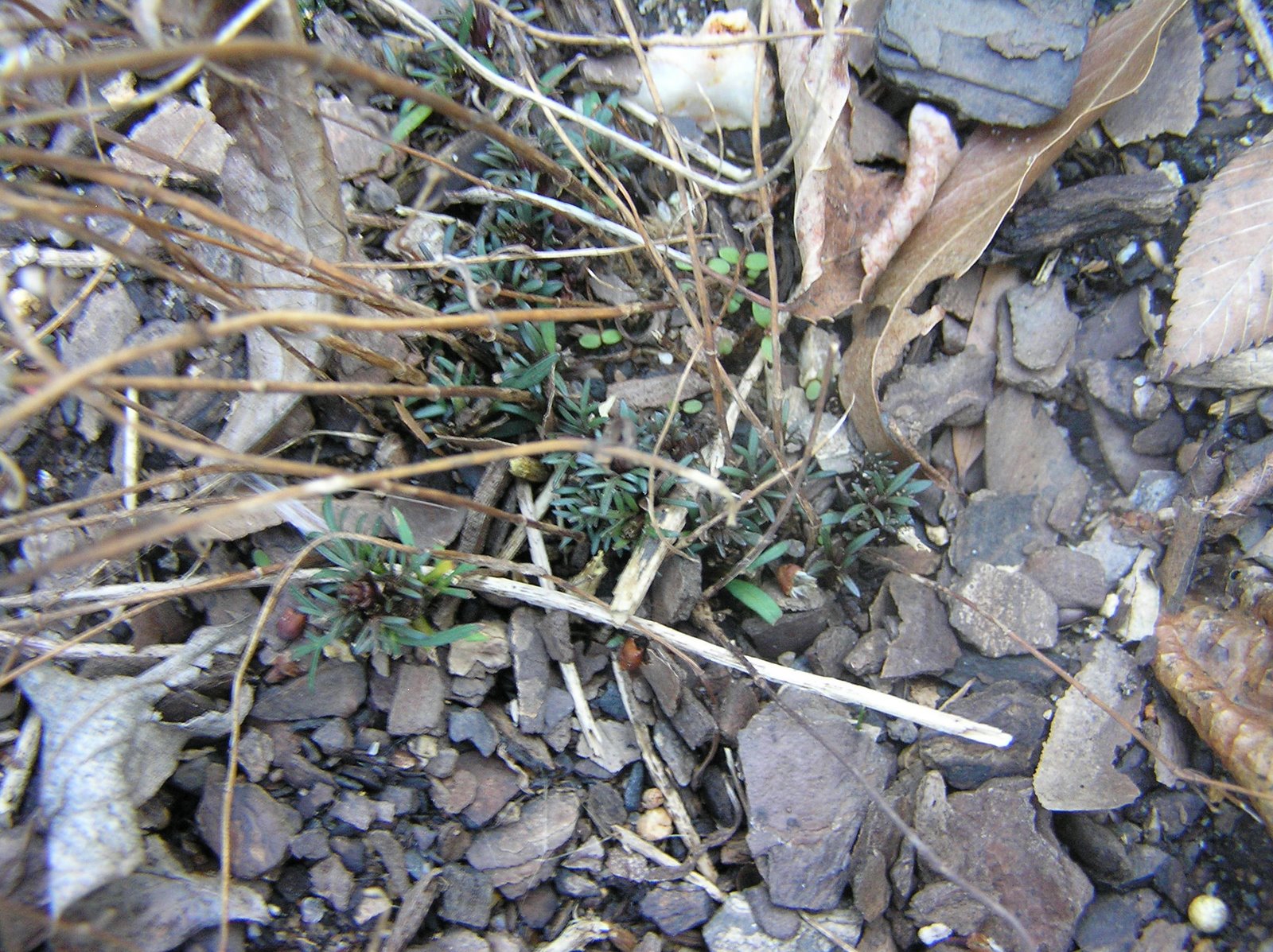
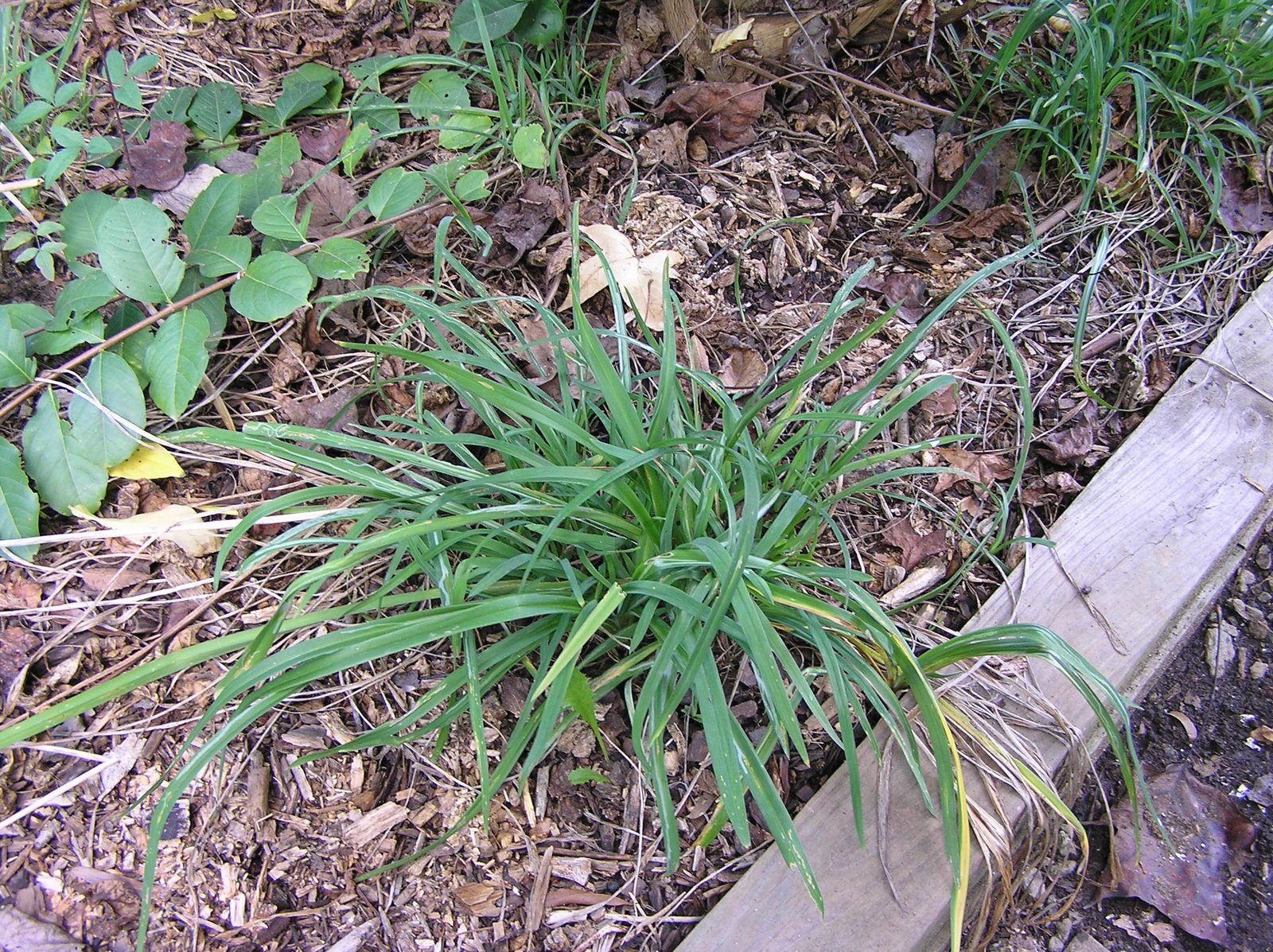
Coreopsis Moonbeam is mostly noticed for the quality of its bloom, a butter yellow that shines in the afternoon and early evening. It is called tickseed because the center of the flower looks like a tick. Dark green thin foliage, that look like spruce leaves, sets off the flowers beautifully. Drought-tolerant, but it needs well-drained soil. Well-drained soil is especially important in the winter as is watering, which is when most plants die. It is one of the perennials that surfaces last the garden bed in spring.
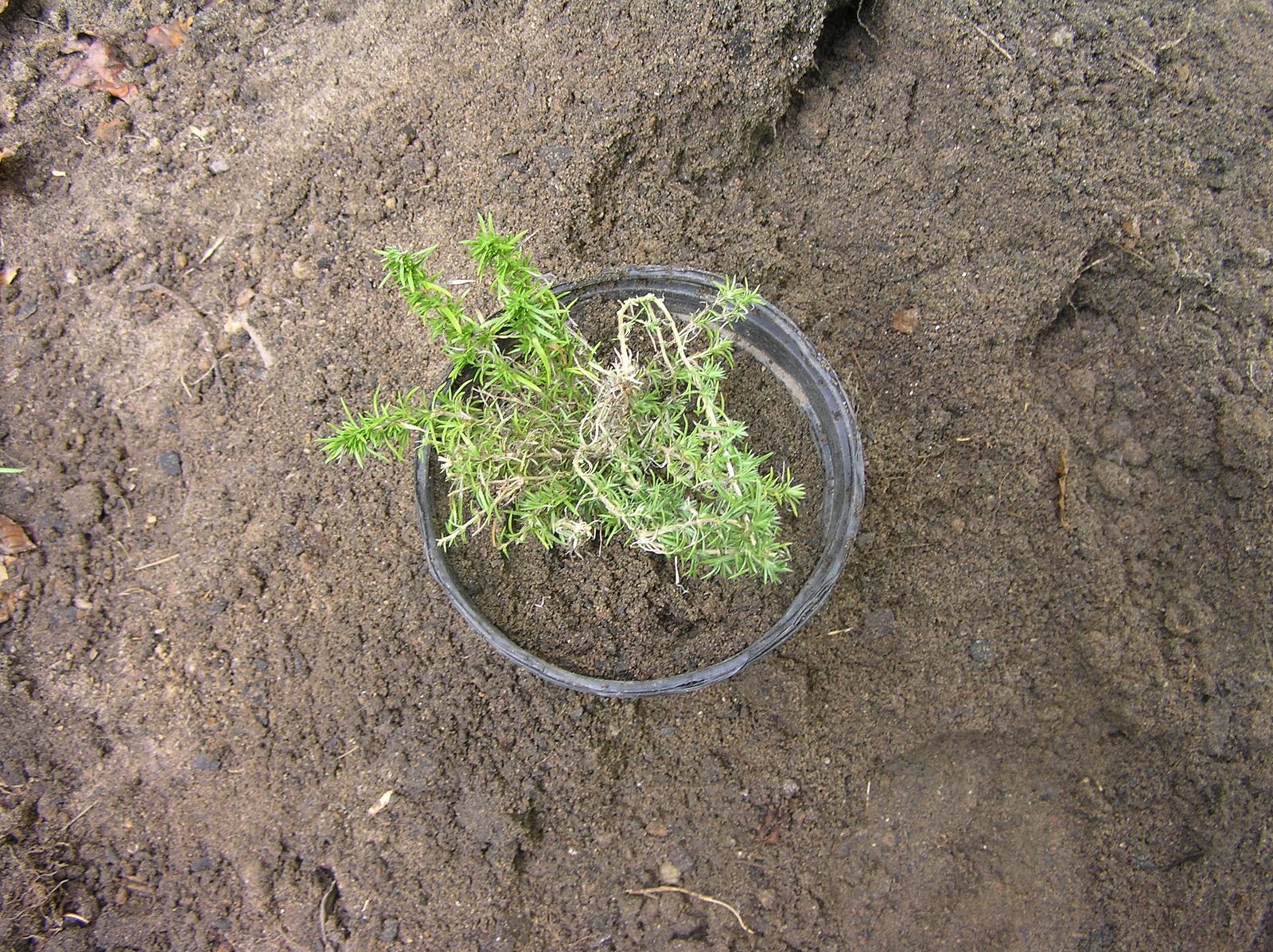
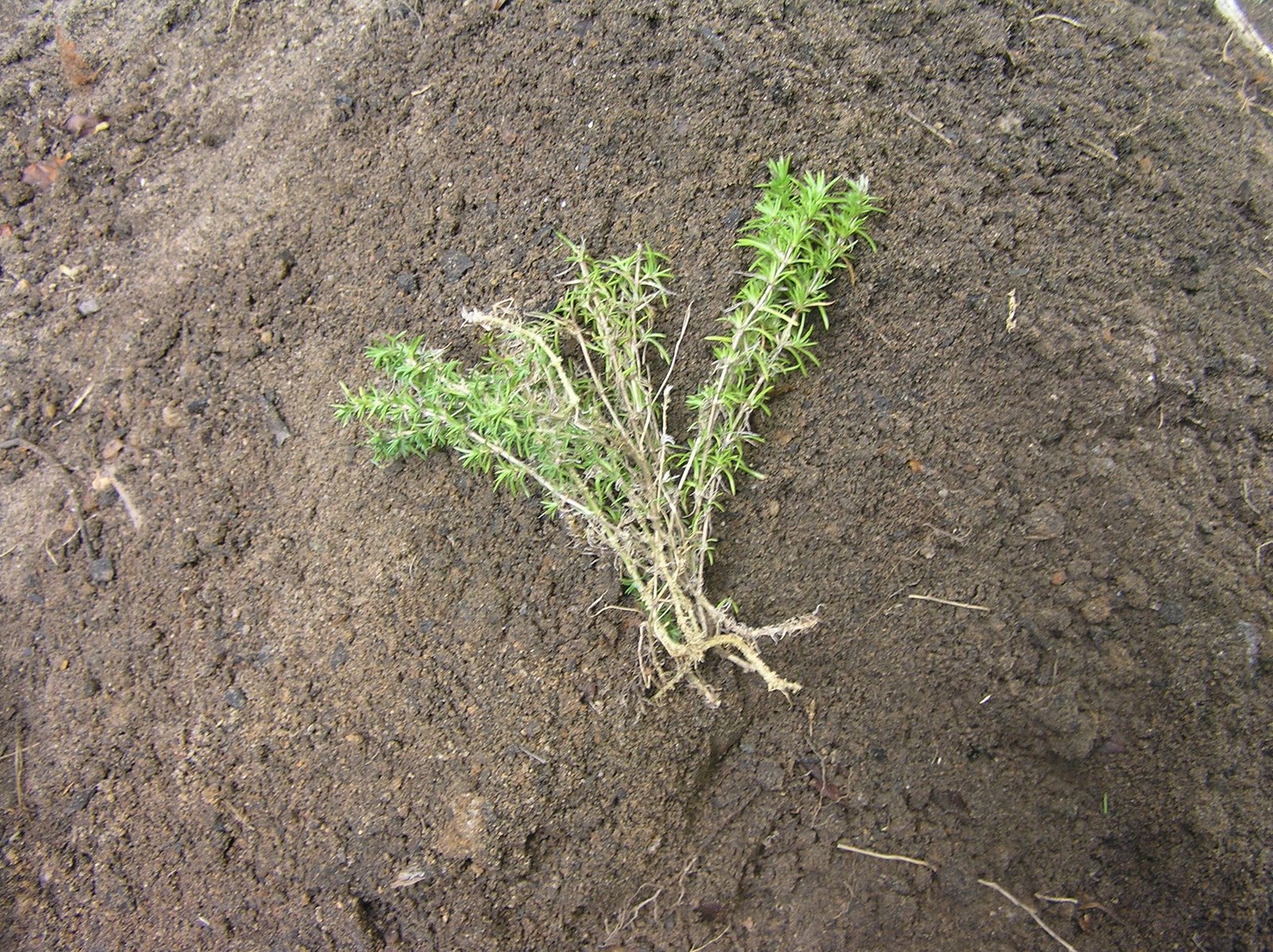
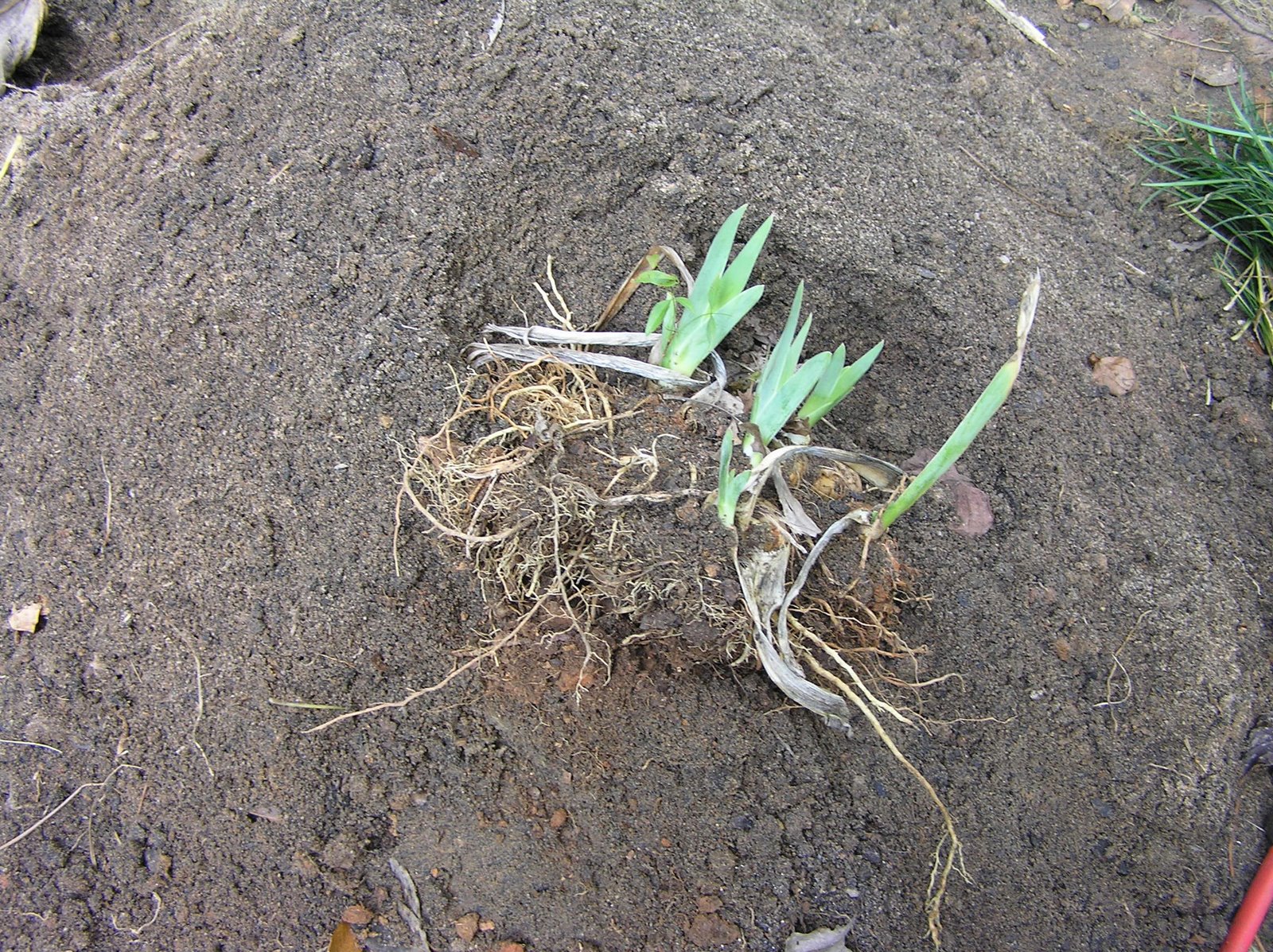
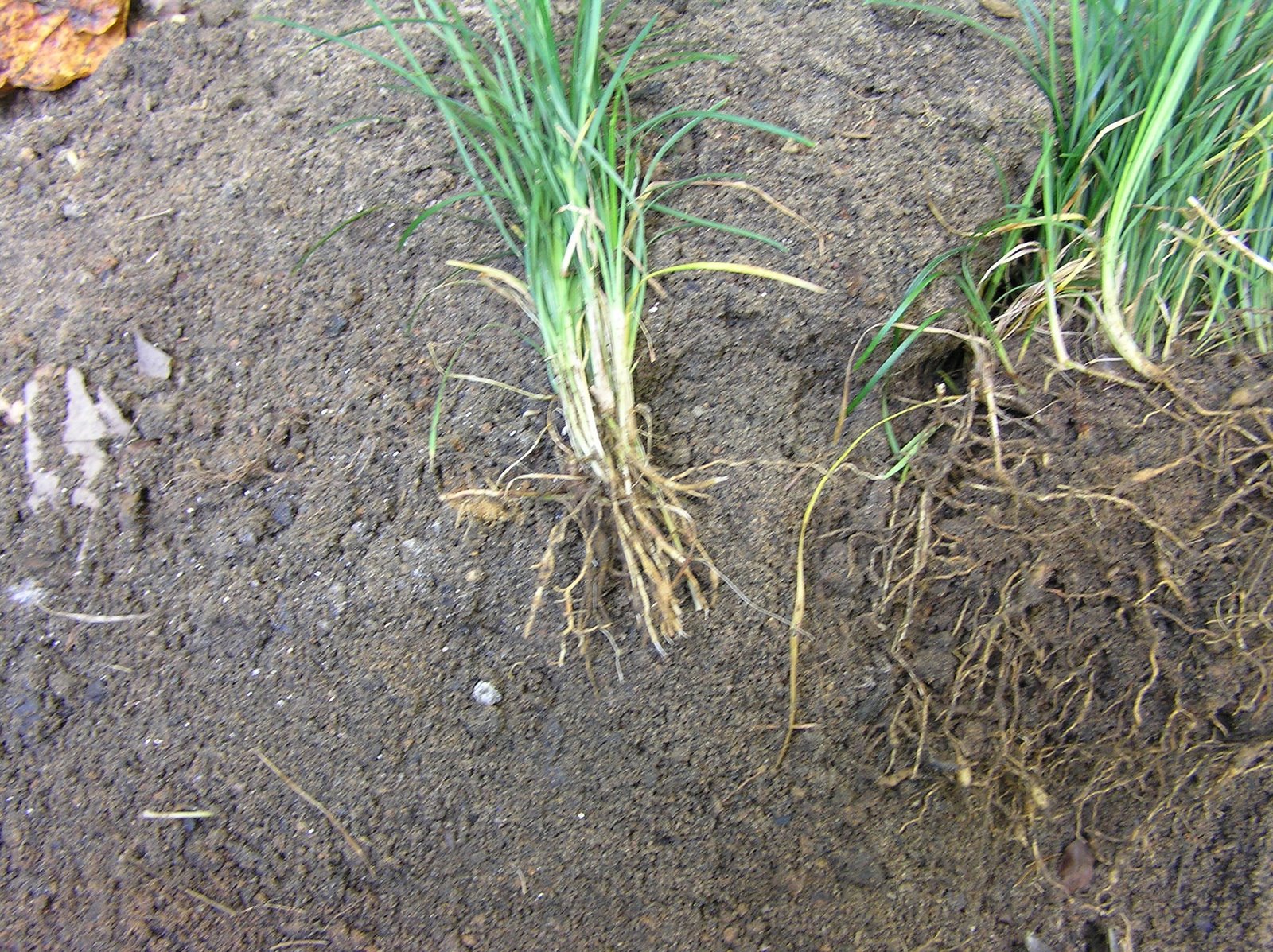
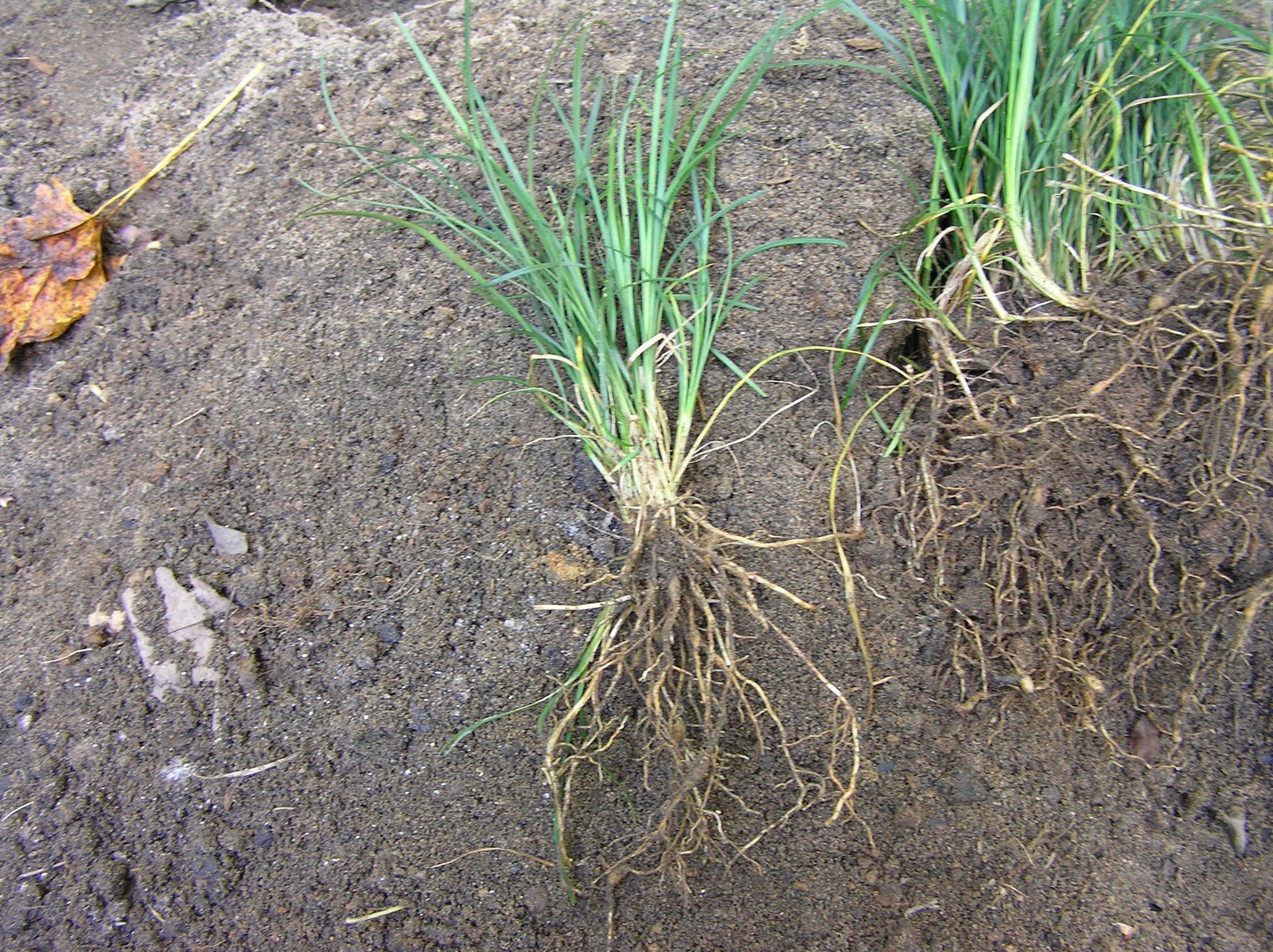
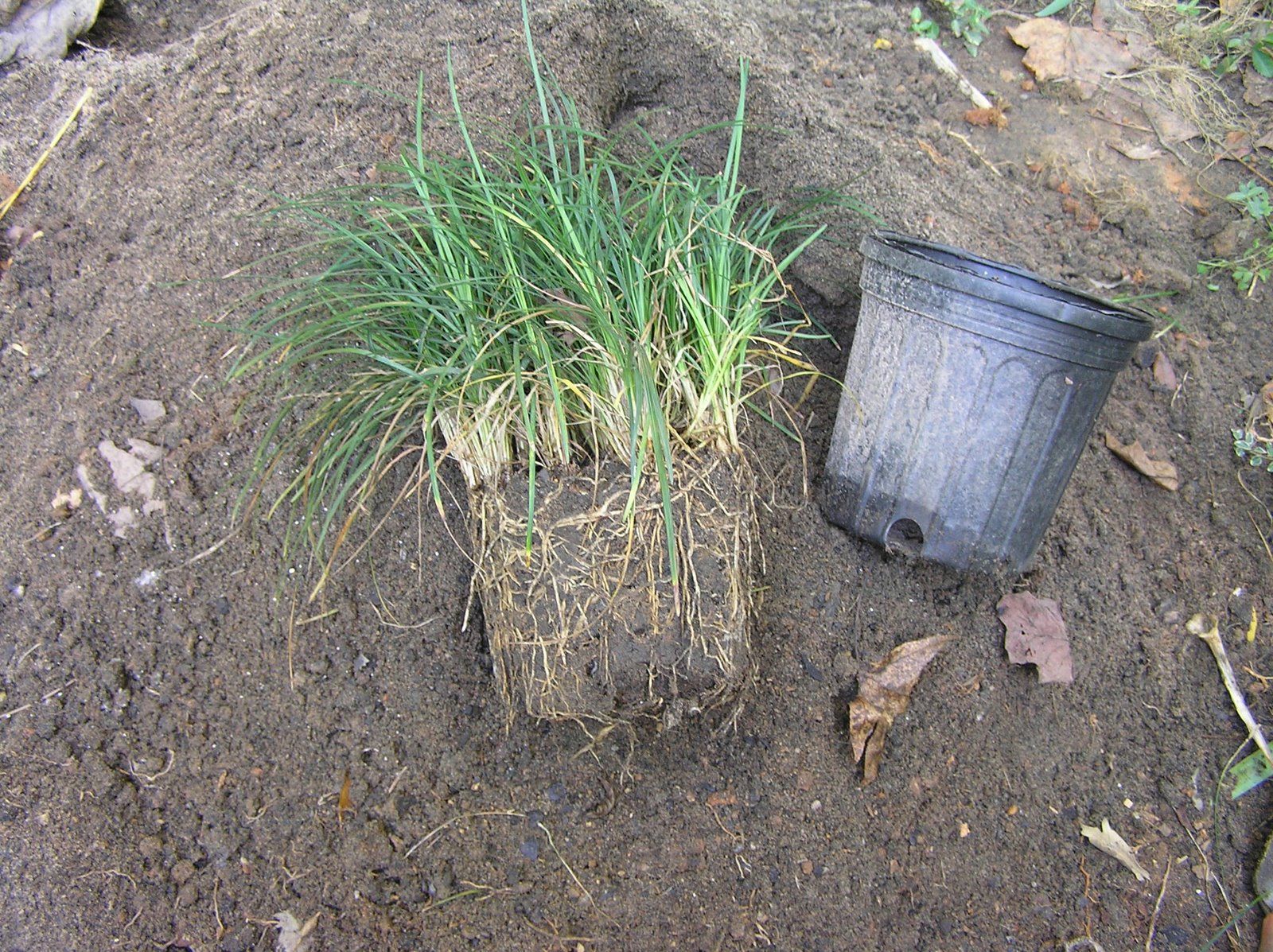
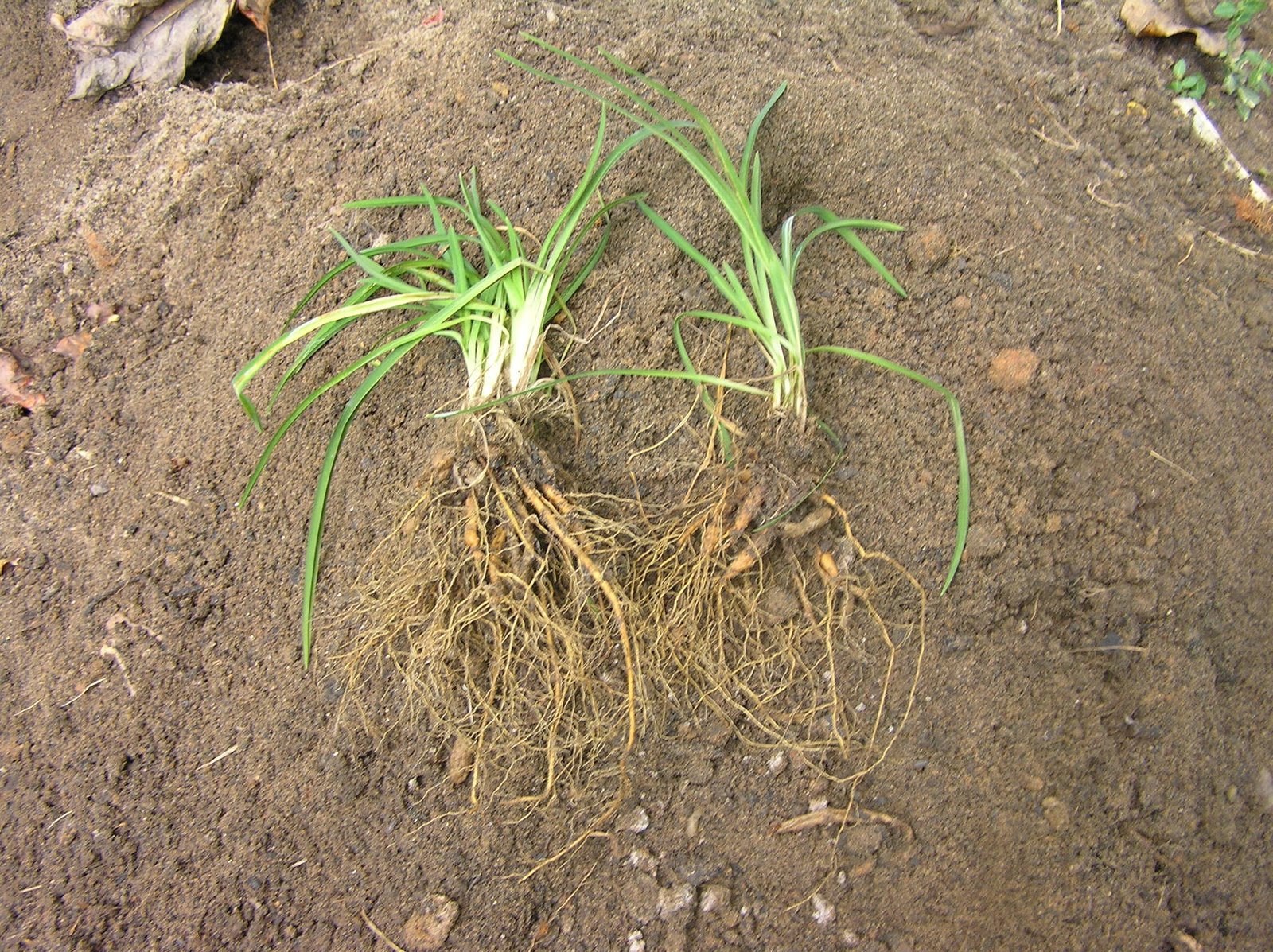
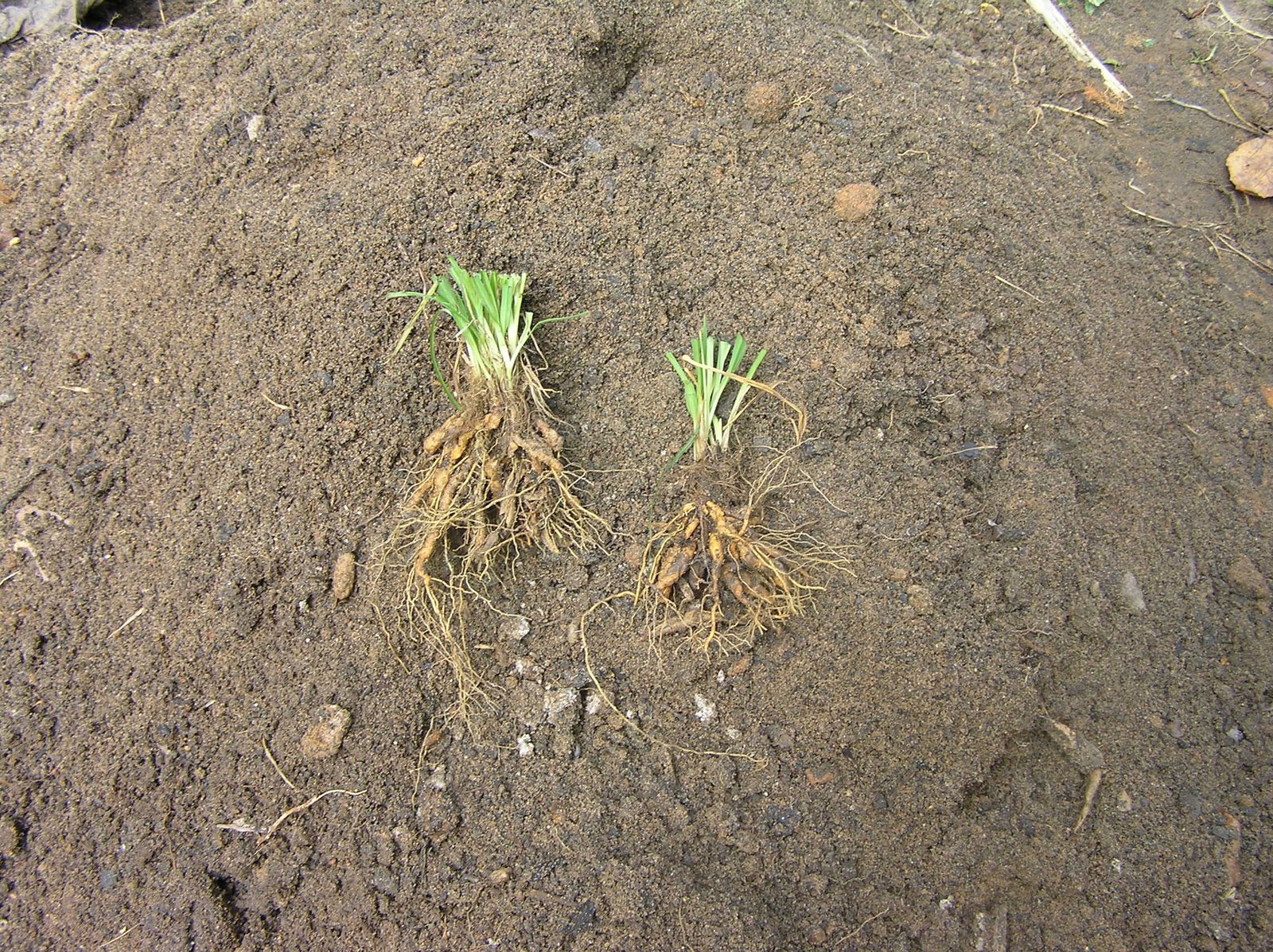
Coreopsis ‘Moonbeam’ handles rocky and dry soils. Coreopsis is sterile so no seedlings will spread throughout the garden bed. It must be propagated. It is a good choice for naturalizing or for border fronts, planted in sporadic spots throughout the garden, fragrance is non-existent, and it likes sun and it’s at its best pruned back after flowering and reaches heights of up to 18-24". Since it flowers up to frost, prune back after blooming, Coreopsis will form new buds and will continue to bloom profusely throughout the summer months in your garden bed. It is best divided in late fall to plant in the garden bed the following summer. Propagating is simple. Simply take a shovel and dig up the plant with more soil then necessary then divide, trim back the roots, which are very fine in comparison to German Bearded Iris roots, then repot in a mix of sand and manure, with a handful of bonemeal thrown in before replanting and water profusely. It also has a cousin “Rosea” whose blooms are a washed pink, and seems to less tolerant to the summer heat then Moonbeam.

Wednesday, March 19, 2008

Welcome to Spring!

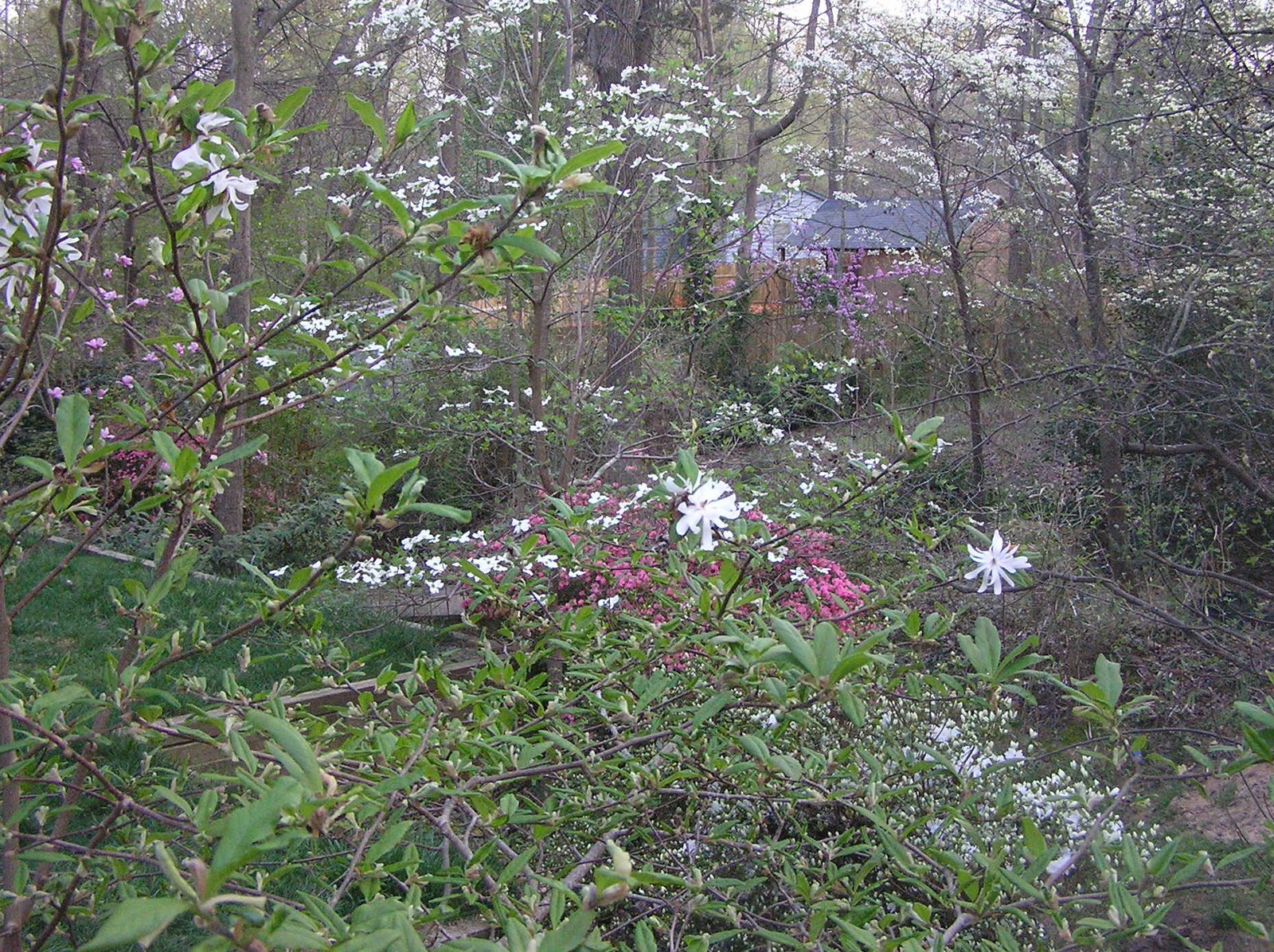
The confluence of blooming colors in the spring makes one appreciate the suffering we all endure during the dreary and sometime tumultuous winter months, knowing full well of what lies ahead. When I first moved to the Carolinas I told friends that driving down some of the streets in spring was what it must be like when we get to heaven. The color is dazzling and mind boggling, like the photo to the right, taken in my back yard one spring. Azaleas, magnolias, dogwood, redbud and spring bulbs in garden beds all contribute to the “right of spring” although a fierce rain storm can wipe that all away in an instant which is why it is important to take photos to keep those memories alive especially with the increase of digital cameras something never envisioned growing up when wringer washers were all the rage. How times change with technological innovation leading the way. How many of us envisioned communicating with another person halfway around the world without spending more of our income by getting on the telephone, but then we don’t really know of that person’s expertise either because some profess to be “experts” when in fact all they tend to do is to spread rumors by innuendo criticizing anyone that confronts their unscientific “theories.’ The Internet has its good points, but it also has the bad which at times seems to outweigh the good. Technology seems to have made our lives easier, so why then are our lives so busy? Sometimes we must stop and smell the roses, instead of taking that next pill to get us through the day.

Monday, March 17, 2008

Grape Hyacinth

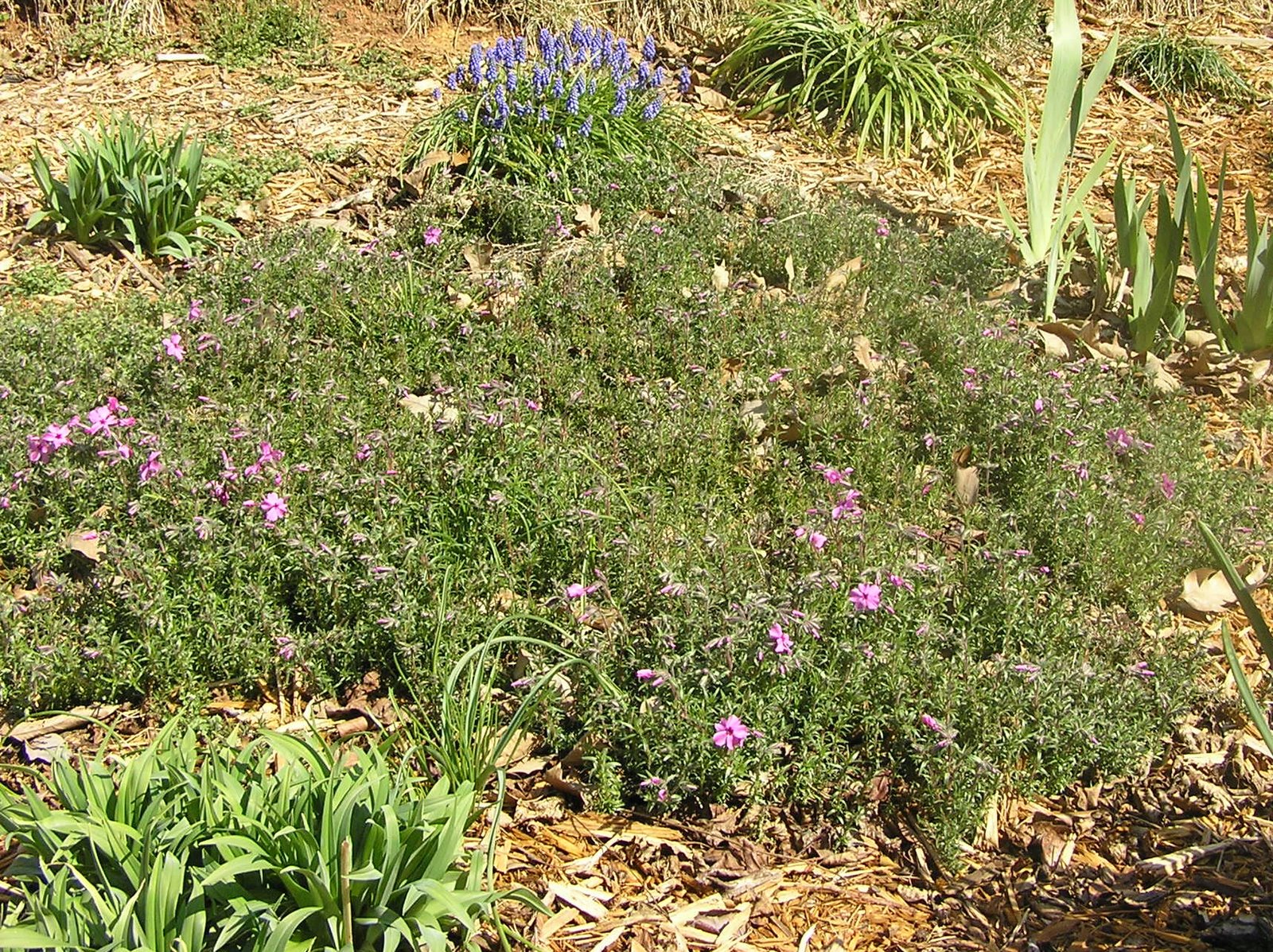
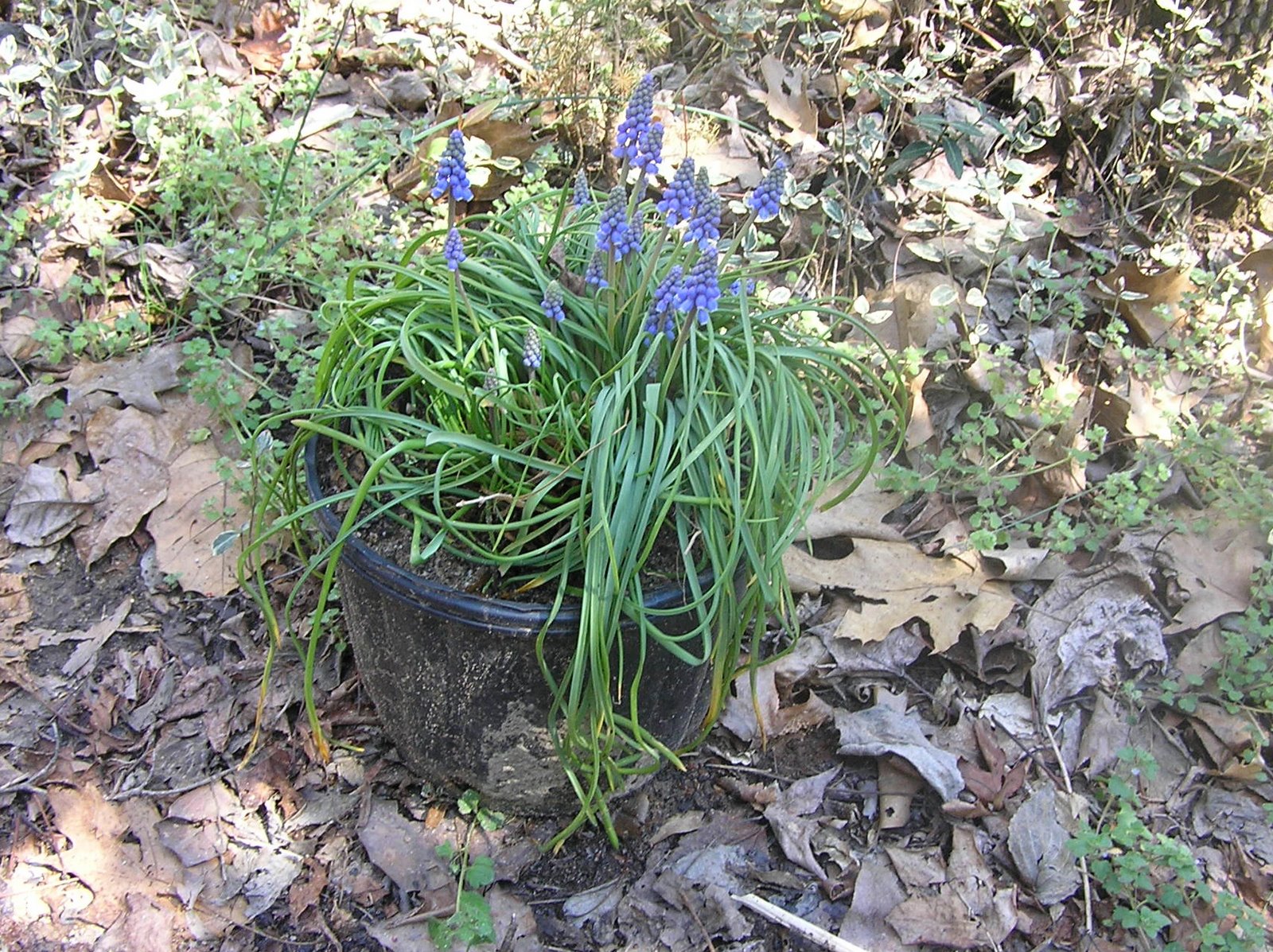
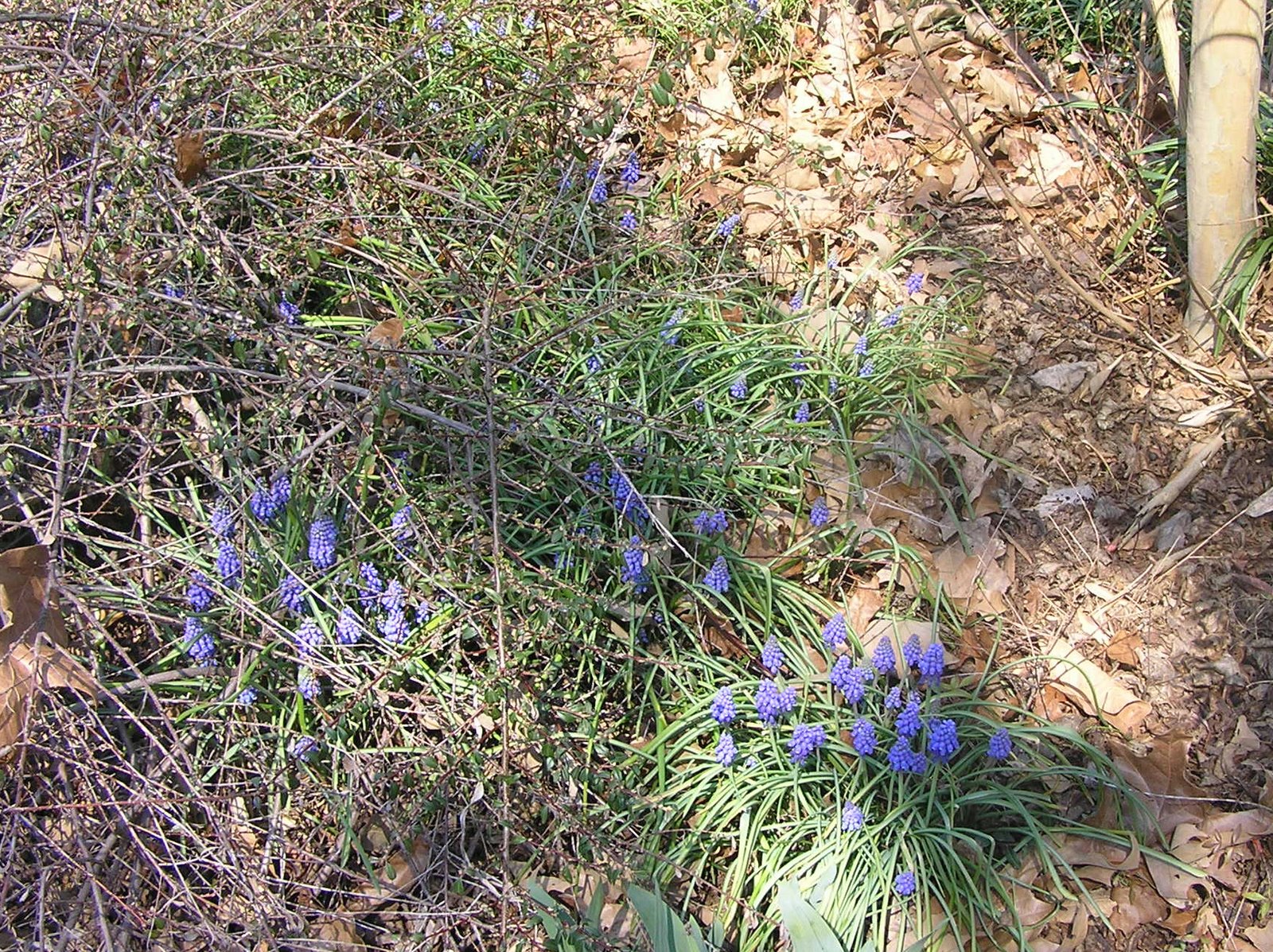
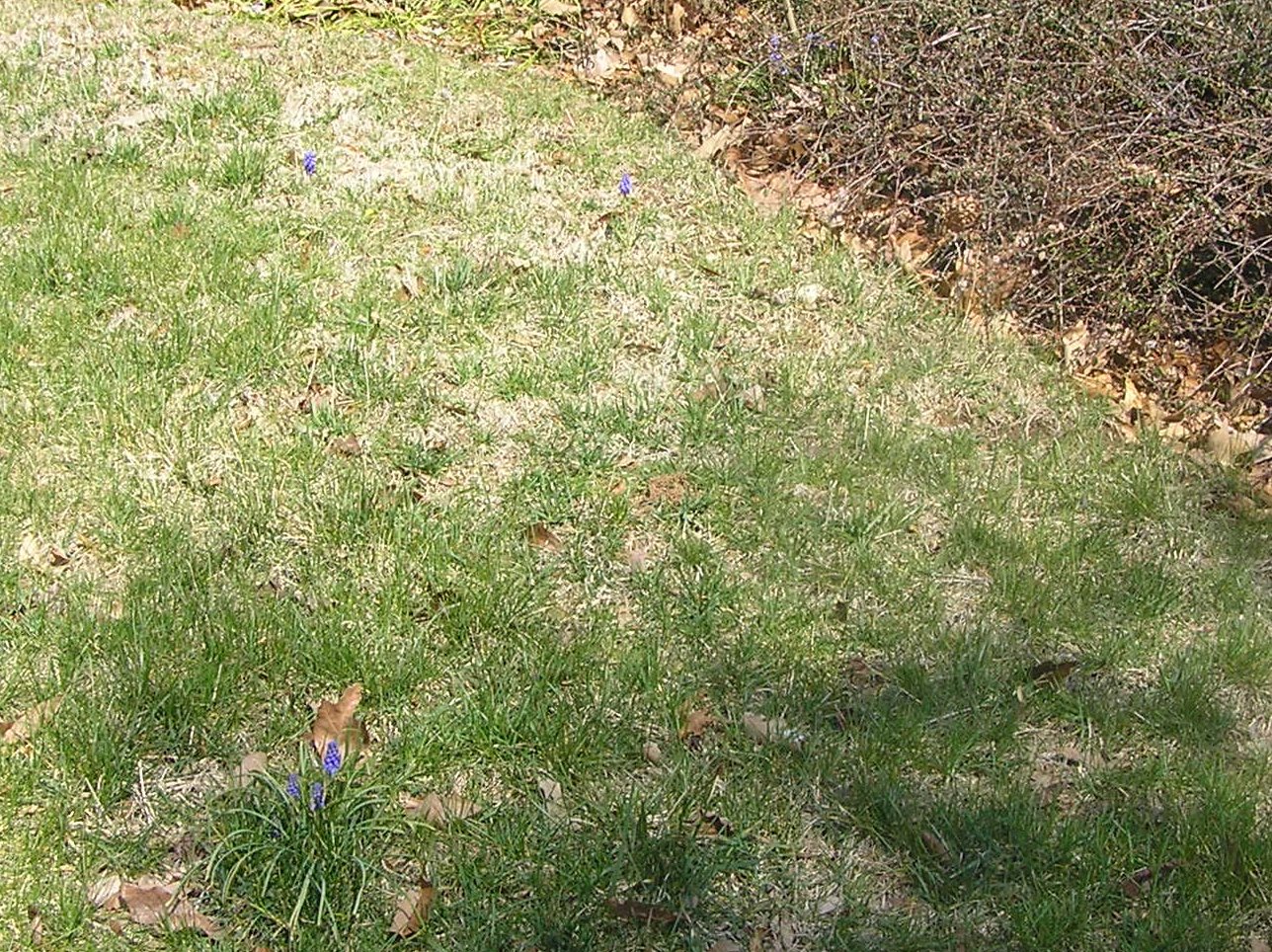
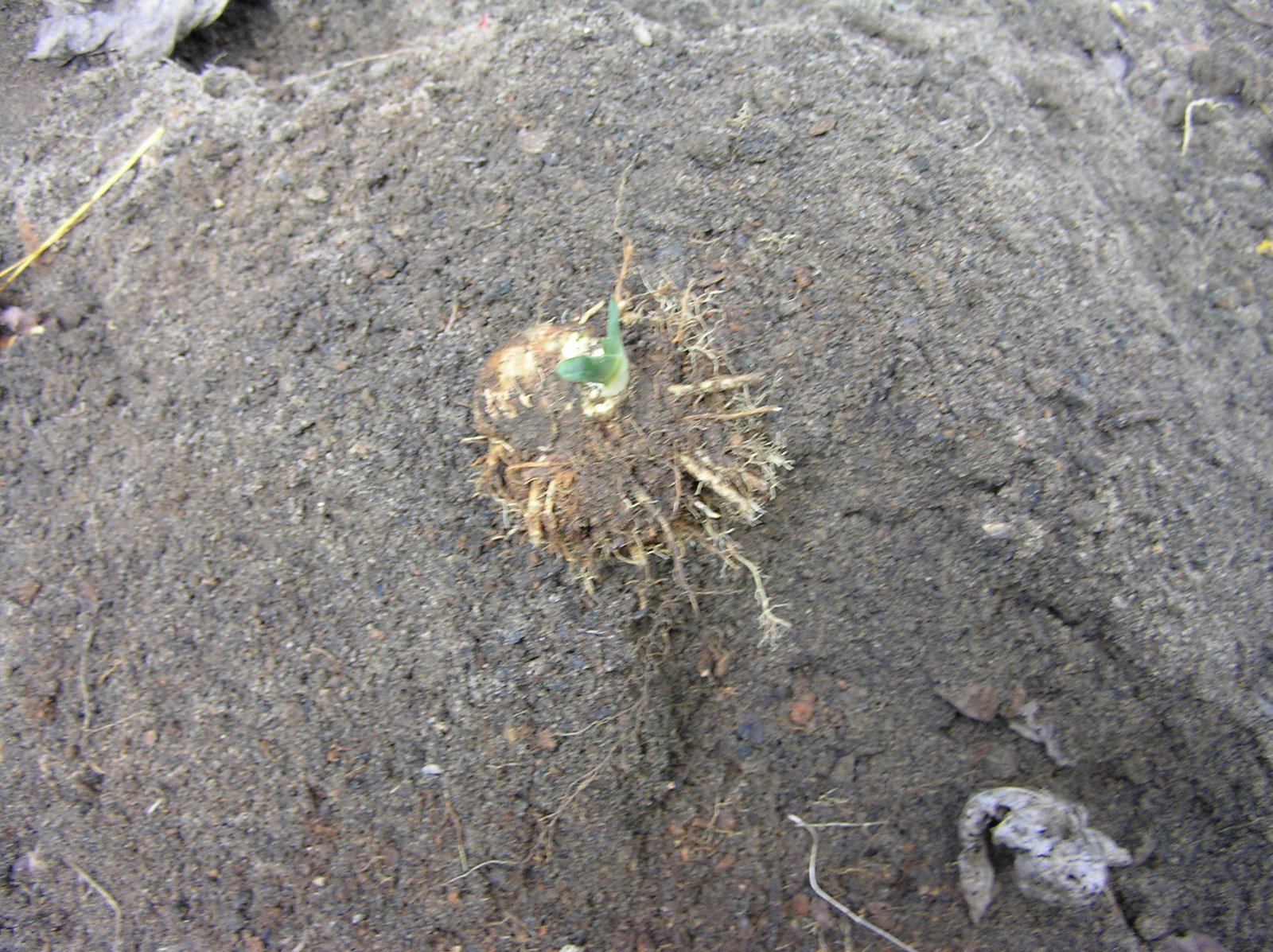
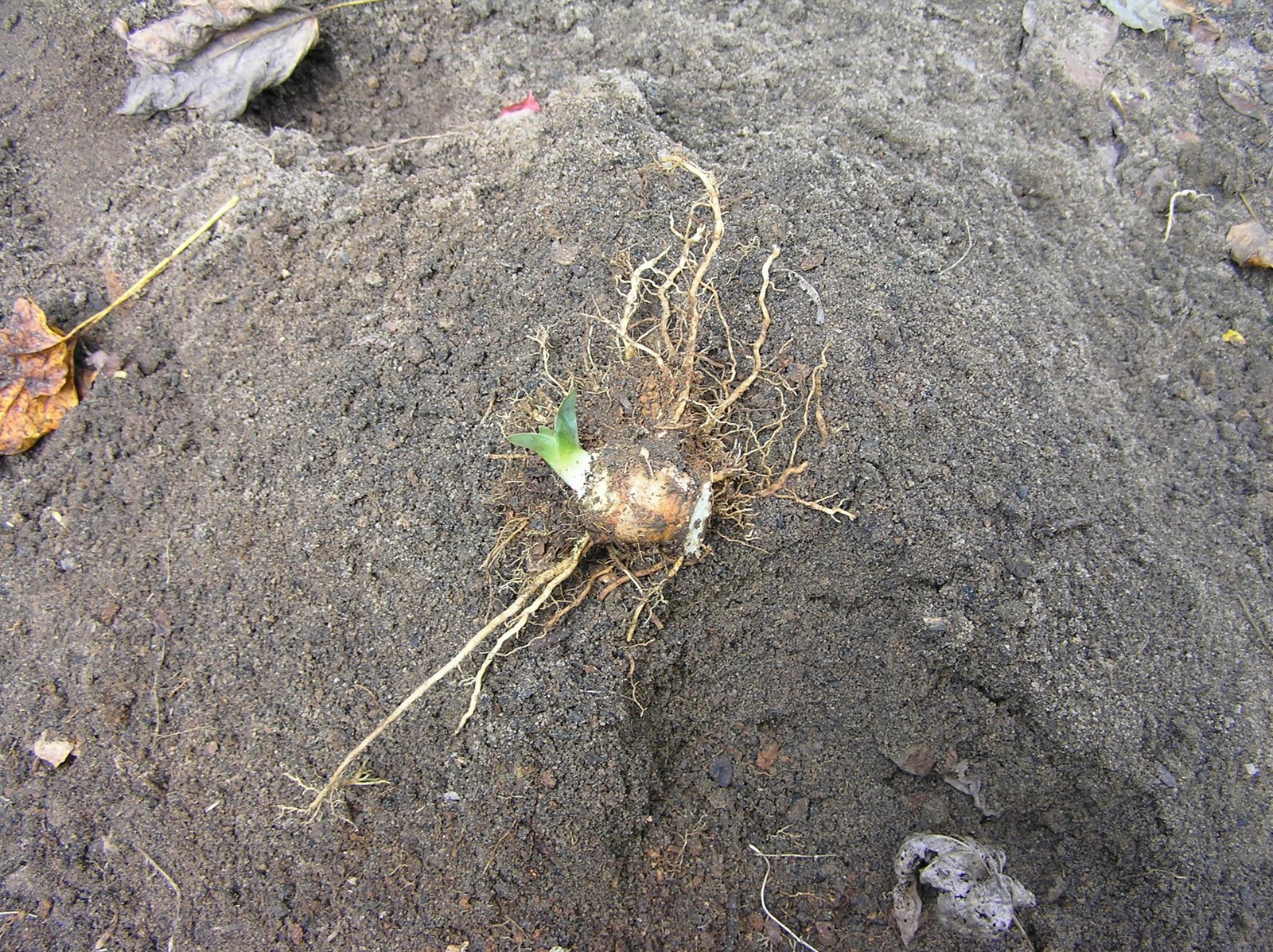
Grape Hyacinth is easily propagated by division because it is one of the first spring bulbs to surface in the fall, the novice sometimes mistaking its leaves for wild onion, sending its leaves up in the garden bed long before other bulbs, so it can be dug in the fall, divided and transplanted to insure its bright blue spring blooms the following spring, instead of waiting a full year or it can be dug before flowering in the spring as long as it is watered profusely after transplanting. It is one of the spring bulbs, if good garden soil exists, that could be construed as a weed because it will germinate almost anywhere a bulb is dropped, surprising many homeowners in the spring.
 
http://www.blogcatalog.com/directory/home_and_garden/gardening

web site counter
South Beach Diet