Gardening  Blogs - BlogCatalog Blog Directory
propagating perennials
Undergoing MyBlogLog Verification

Monday, July 2, 2012

Pachypodium namaquanum-Club Foot, Half-man’s

This South African native has a woody stem so either propagate by cutting or seeds and besides it is called Half-man’s because it resembles a man from a distance and because of folklore that man was frozen. It is poisonous, flowers in mid-spring and its blooms are red. It flourishes in Zones 10-11 and gets as tall as 10'. The head or the top of the plant always faces north because in winter in the Southern Hemisphere the sun is the strongest from the north.

Monday, June 18, 2012

Hesperaloe parviflora-False Red Yucca

Propagating False Red Yucca is a cinch, but be aware, like yucca this plant can bite not with spikes but with irritation to the skin and certain parts are poisonous so wear gloves when you are splitting the rhizomes apart and replanting. It is a native to the Southwest so it can take dry weather and hardy in Zones 6-9 and if protected in 5. It is an evergreen, honeybees and butterflies like the nectar, blooms mid summer and are red and the plant will reach a height of 3'-4'

Monday, June 11, 2012

Dicliptera suberecta-Hummingbird Plant

For the hummingbird fanatics this plant must be in your garden however be aware of the zones. Normally it is a perennial in Zones 8-10 but some say its good to Zone 7 but if you get a cold winter you could lose it but you can divide it and take one plant inside during the winter. Divide the root ball in spring or early fall and it blooms from late spring to fall. Honeybees and butterflies also enjoy the nectar and deer do not like the plant. It grows to a height of 1-2' and its blooms can either be orange or red and will take full sun or light shade and light drought. It is a native of Uruguay.

Monday, June 4, 2012

Rehmannia elata-Chinese Foxglove or Beverly Hills Foxglove

Chinese Foxglove can be propagated from the rhizomes that spread out from the parent plant in spring. Butterflies and hummingbirds flock to its nectar and is deer resistant. It is native to China and is hardy in Zones 6-10, blooms mid summer to fall. Flowers are shades of pink and prefers a moist well draining soil and does not take to drought, but reaches a height of 2'-4' and makes an excellent cut flower.

Tuesday, May 29, 2012

Ruellia humilius-Fringeleaf Wild Peteunia

Progating Fringeleaf wild petunia is primarily done by root cuttings although it seeds are plentiful but germination can be low. It blooms from late spring through summer to early fall and its flower is mainly purple. Butterflies are attracted to its nectar and it prefers either full sun or partial shade and well drained moist soil. It is native to the USA and found mainly in the Southeast and Midwest, Zones 4-8 and reaches a height of 18-24"

Monday, May 21, 2012

Antirrhinum hispanicum-Spanish Snapdragon

Spanish Snapdragon is also known as Creeping Snapdragon, but no where could I find propagation methods other then by seed or cuttings, but if it creeps I would assume eventually it would make another plant or why name it creeping. The thing about snapdragons is that the first year blooms aren’t as showy as subsequent years after pruning down the evergreen stems to 6" in the fall or spring. The plant is also deer and drought resistant, will bloom from late spring to fall by deadheading and prefers hot and humid summers, a native of Spain. Blooms can be either pink or yellow or multicolor.

Tuesday, May 15, 2012

Alcea rugosa-Russian Hollyhock

Russian Hollyhock can either be a perennial or biennial depending on the zone but it is hardy from 2-9 and is native to Central Asia(Russia). The plants flower spikes can reach up to 9 feet in a sunny and hopefully windless area of the garden, withstand drought and bloom May-September and does not like humid summers. It will self seed and because of its deep tap roots it can not be propagated by division. Its flowers are an attraction to honey bees and butterflies and its colors go from white, to yellow, to pink, to red, to lavender.

Tuesday, April 10, 2012

Spigelia marilandica-Indian Pink

Propagating Indian Pink is done either by dividing the root ball or by cutting. Present year’s growth in the fall and then wait until late spring to see if it rooted. It is hardy in Zones 5-9, reaches a height of 18"-24" and flowers late spring to early summer. It is native to the Southeast in moist woodlands. Its flowers are red with yellow tips and hummingbirds love its nectar growing in either in full sun or partial shade.

Wednesday, September 14, 2011

Meehania urticifolia “Silver Sprinter”-Japanese Dead Nettle or Wood Mint

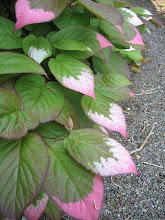
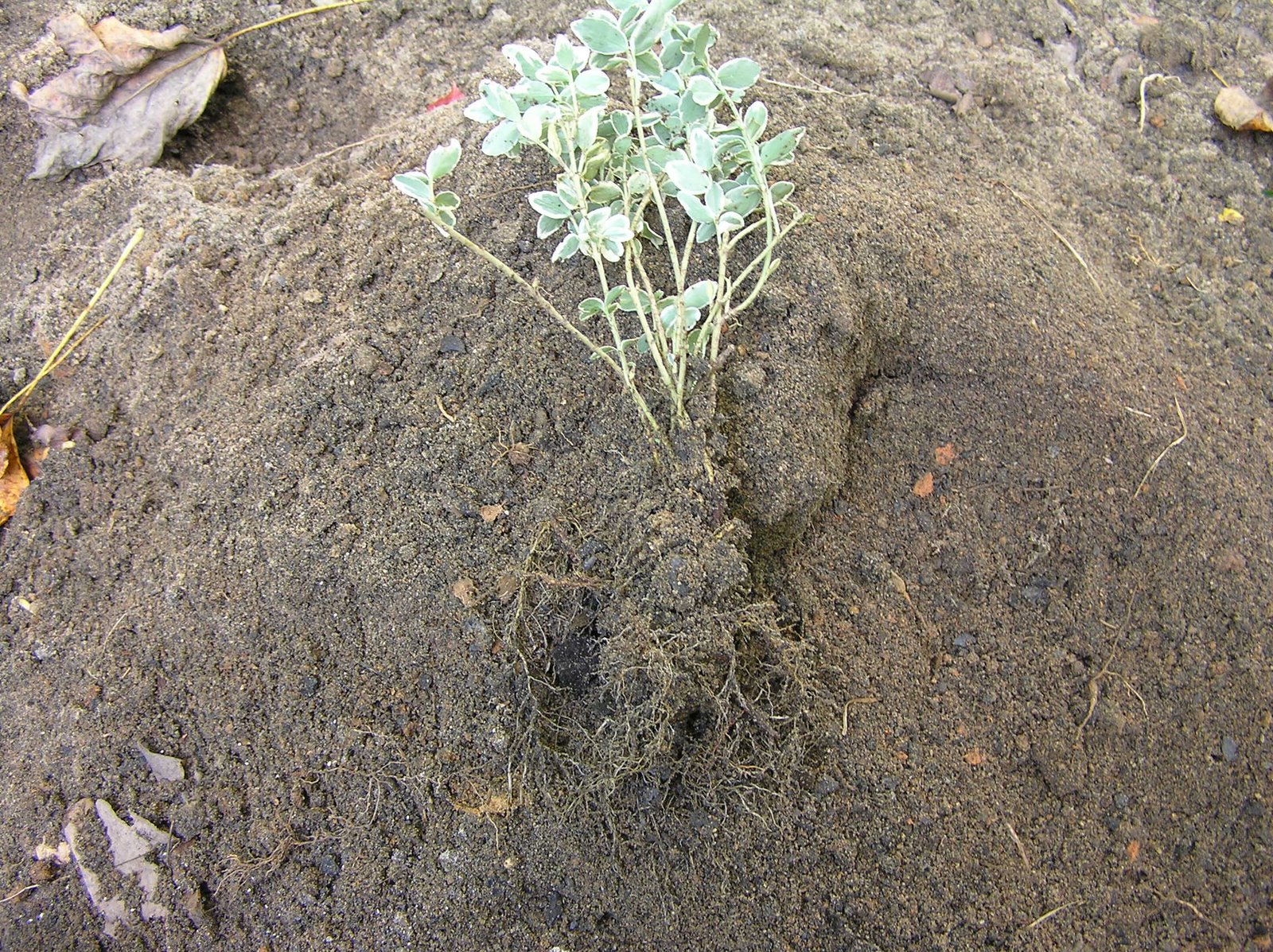
Propagating Japanese Dead Nettle is simple since it is a perennial groundcover so in the spring anywhere the plant has rooted itself dig and replant preferably in a moist and well drained soil. It is deciduous and is a native of Japan but is hardy in Zone 5-9. It will reach a height of 4-6,” it’s lavender flower attracts butterflies and hummingbirds and will bloom from early spring to late fall and if the plant gets leggy in the summer just trim back otherwise wait until spring. It has variegated leaves of grey, green with white trim.

Saturday, September 10, 2011

Leonotis leonurus-Orange lion’s-tail

Propagating orange lion’s-tail can be done either by cutting in late winter of by snipping off the plantlets at the base of the plant. Only a evergreen perennial in Zone 9-10, a native of South Africa. The plant will reach a height of 4' and it has medicinal as well as sedative properties and some will even smoke the leaves because it will exhibit the same effect of cannabis. It is used widely in South Africa for many medicinal needs that includes flu, headache and fever. Its blooms are fragrant as well as orange, the plant is drought tolerant, deer resistant, and its nectar attracts hummingbirds.

Wednesday, August 31, 2011

Mimulus-Monkey Flower

There are 150 different varieties of Mimulus and to propagate them dig up the crown in the spring and divide. Colors range from yellow, pink, red and orange and bloom through the summer into the fall as long as you remove the faded flowers. As perennials they are short lived and prefer moist areas in full sun or partial shade. Native to the west coast of the USA. In early days the plants when cooked acted as a salt substitute. They reach a height of 4-6,”are are deer and rabbit resistant and attract butterflies and hummingbirds.

Wednesday, August 24, 2011

Lantana camara-Lantana

Propagating lantana can be as simple as snipping the stolen around where the root may take hold or by a cutting. It is a perennial from Zones 7/8-11 and an annual everywhere else. It is a cousin to verbena, is poisonous/toxic to animals however butterflies, hummingbirds and bees are attracted to its nectar. It can reach a height of 48", is drought and also deer resistant. It blooms throughout the summer up until frost and colors range from yellow, orange, red, pink and purple. It is also fragrant, a cousin to verbena and a native to Mexico.

Wednesday, August 17, 2011

Lewisia tweedyi-Tweedy’s Lewisia

Propagating what I believe is one of the most colorful perennials, born and bred in the USA, Pacific Northwest, and a cinch to propagate is lewisia. When I say to propagate you remove the off-sets or pups, what brings to mind are strawberries. You remove the umbilical cord that runs from the parent to the “baby” and plant. Varieties range in color from white, pink, coral and yellow and prefer a soil drainage of crushed gravel because the crown will rot if too damp. Also like most colorful perennials lewisia attracts snails, slugs, aphids and mealy bugs. It also prefers morning sun, average moisture, and planting beneath a well drained dripline is optimum. It will bloom from mid spring until early summer, reaches a height of 6-12", is evergreen and will grow in Zones 5-8. Be aware deer love to snack on it!

Wednesday, August 10, 2011

Typha minima-Miniature Cat-Tail

Propagating Typha is done in the spring by dividing the crown and the flower is just a miniature of the standard Cat-Tail, with only a height of up to 27". As many know this plant loves moisture and full sun and when the seed head bursts plenty of seed flies around and it is great as cut flower especially during the holidays and grows well in Zones 4-9.

Wednesday, August 3, 2011

Camelina sativa-Camelina

This is an annual, basically a weed, that is used for biodiesel in planes/jets. It is primarily grown in Northern States because it cannot withstand the heat of summer. In Florida and Georgia they plant it as a winter crop, in by December out by April. It will flower in 85-100 days and it’s the seed heads that are used to make fuel. One acre makes about a gallon. Honeywell got FAA permission to fly to the Paris air show on camelina. They farm it in Montana and have a plant that makes into fuel in Houston. The plant itself has been around since the Bronze age and is native to Northern Europe. It is also used as feedstock. Ethanol as you know is from corn which feeds the world and that’s why some like Camelina. A 50 pound bag of seed can cover 5 acres and the cost to covert runs about $60, however because the seed has about 40% oil, and rich in OMEGA-3 fatty acid, it needs to be stored at 8% humidity or lower or else it becomes combustible and it’s the carbon the plant absorbs that makes it so valuable. It takes in more then is burned in a flight. It grows up to 3' and is in the mustard family.

Wednesday, July 27, 2011

Equisetum hyemale-Rough Horsetail

Propagating Rough Horsetail is simple, however be aware it is invasive if it is not planted in a container, because it grows by underground rhizomes and since it is a moisture loving plant it is not easy to locate rhizomes under water. This plant could date from the Paleozoic Era and existed for millions of years because extinct fossils with stems the size of tree trunks have been discovered. It is native almost world wide from North and Central America, Asia and Europe. It can grow up to 5' is evergreen in some locales and its hardiness Zone is 3-11. It’s stems reminds one of Bamboo.

Wednesday, July 20, 2011

Goniolimon tataricum-German statice

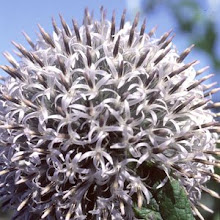
Propagating German statice is quite simple however be careful because it has a tendency to irritate the skin and can be poisonous, but dig up the parent plant and then divide the root ball. It is one perennial that is hardy throughout the USA, Zones 2-9. It can reach a height of 12-18" and can be used in many different ways along a rock wall or as a centerpiece. The blooms can vary depending on the variety, rose, white or silver-grey and some may know it is great in dry flower arrangements or as a wreath. Once established it is drought tolerant however make certain it doesn’t get too much water in the winter. It blooms from mid to late summer, its blooms attract butterflies, is deer resistant, and is native from Europe to Russia.

Wednesday, July 13, 2011

Eupatorium cannabinum “Florio Pleno”-Double Hemp Agrimony

Propagating Double Hemp Agrimony is as easy as digging up the main plant in spring, before new growth, and dividing the clump into how many transplants you desire. It is a native to Europe where it is used as a commercial cut flower. Under optimum growing conditions the plant can reach 8'. The plant can be invasive in a small garden which prefers an evenly moist soil in either full sun or partial shade. Its flowers are fragrant, at least the doubles are, and will attract butterflies but not deer nor rabbits. Its stems are purple and blooms are a purplish pink that will flower mid summer until early fall. During the founding of the USA, colonists used the plant to treat malaria. Hardy in Zones 3-9.

Wednesday, July 6, 2011

Peucedanum ostruthium “Daphnis”-Variegated Peuce Materwort

I am not familiar with this plant and because of that I could not find anything on propagating other then by seed, stratification of 4 weeks, however because the plant forms a clump you might try dividing it in the spring, but since it is a native of France, it will not be easy. The plant itself is poisonous and will cause skin irritation so wearing gloves and long sleeve shirts when gardening around it is necessary. It is also very fragrant and its flower resembles Queen-Anne’s Lace that bloom through early to mid summer and will reach a height of 24". The plant prefers a partial or full shade exposure with a moist well draining soil and is hardy in Zones 5-9.

Wednesday, June 29, 2011

Catananche caerulea-Cupid’s Dart

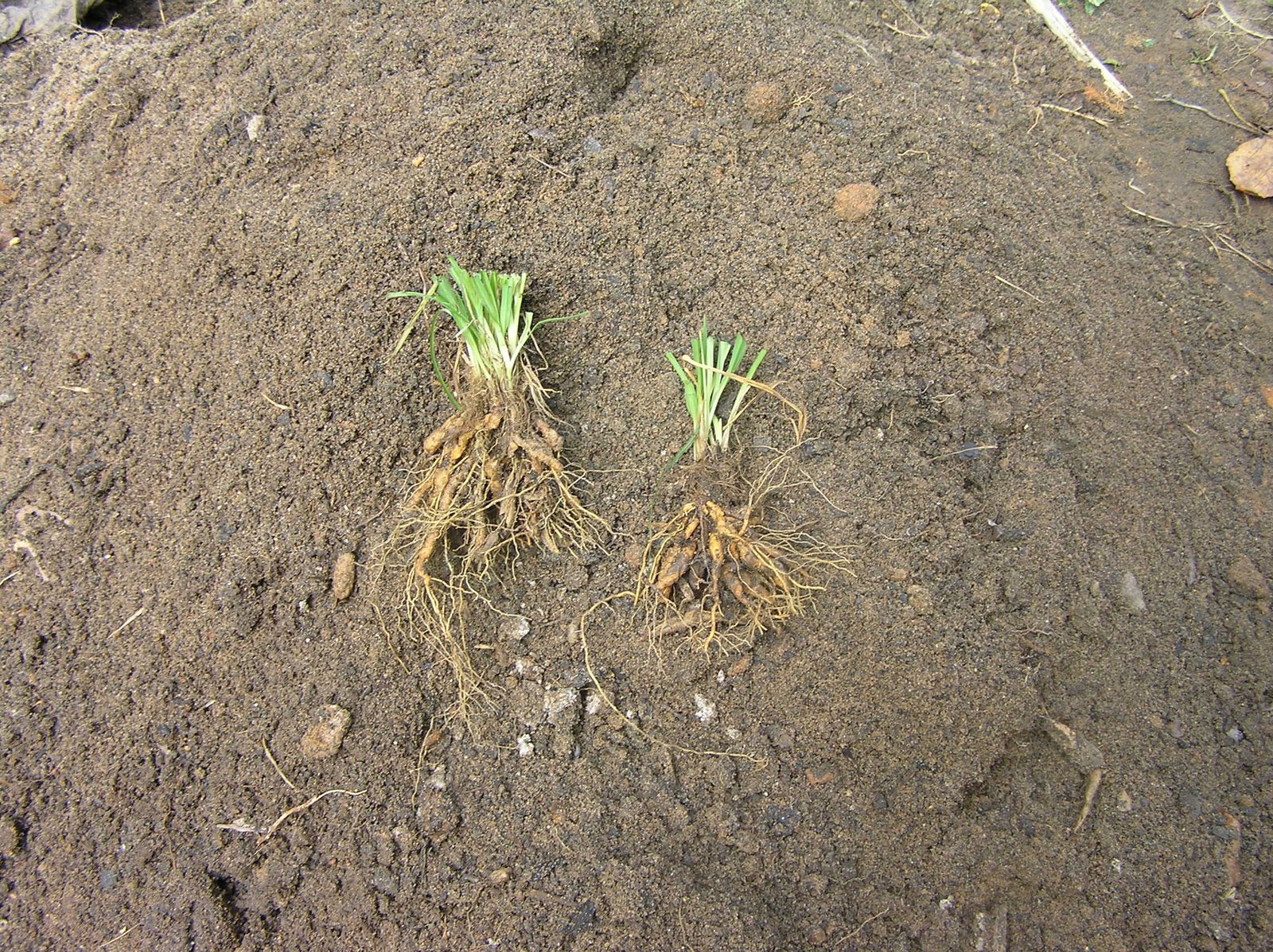
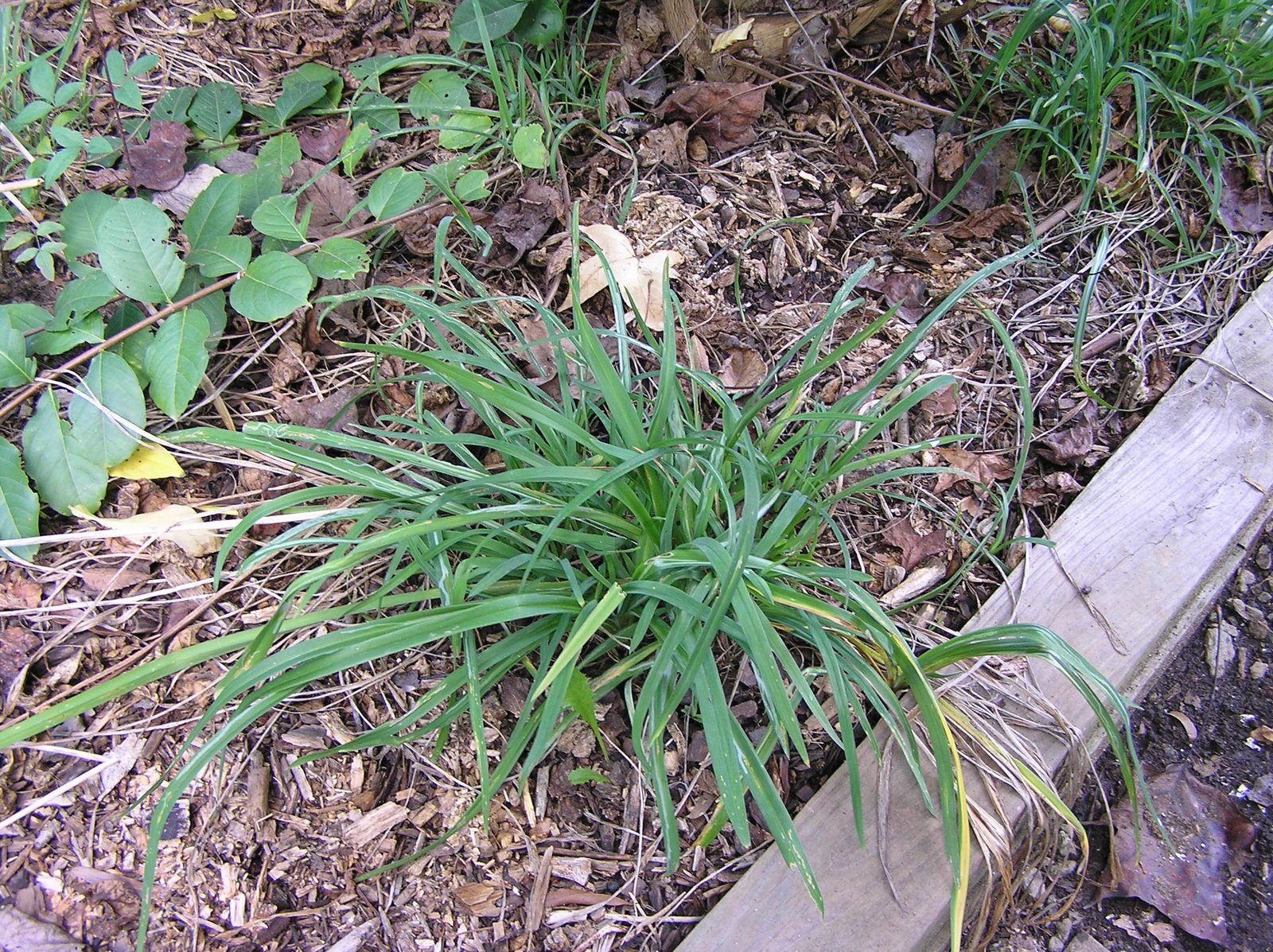
Propagating Cupid’s Dart is simple it is a good self-seeder or it can be accomplished dividing the root ball in the spring and will give you more blooms throughout the summer by deadheading. It’s grass like foliage would be great contrast amongst grey foliage plants and is native to the Mediterranean but can be grown in Zones 4-9. It will reach 18-27" in height, is drought tolerant, its dandelion shaped flowers are blue in color, prefers full sun, and it a great cut flower. The plant symbolizes love.
 
http://www.blogcatalog.com/directory/home_and_garden/gardening

web site counter
South Beach Diet